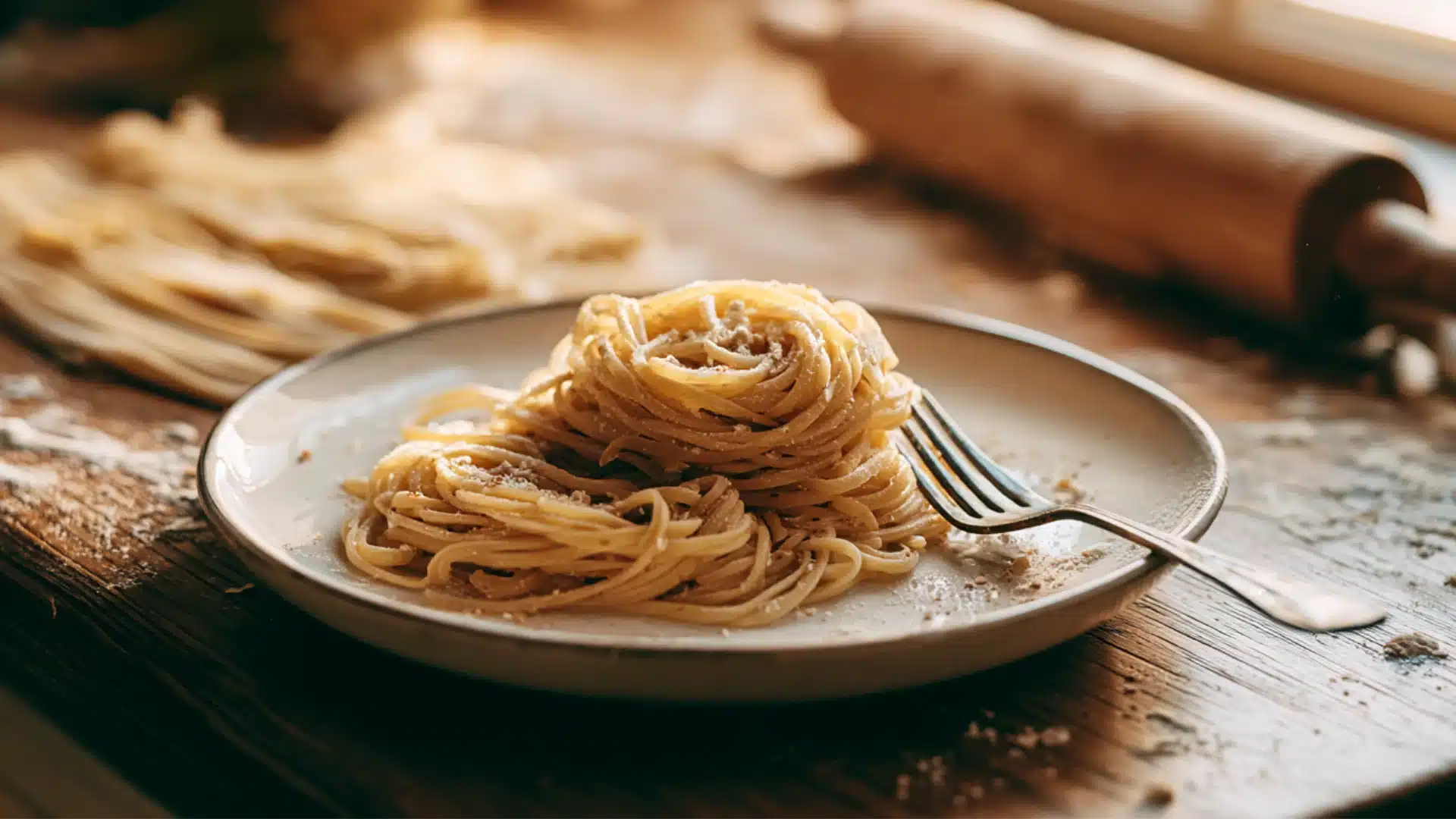

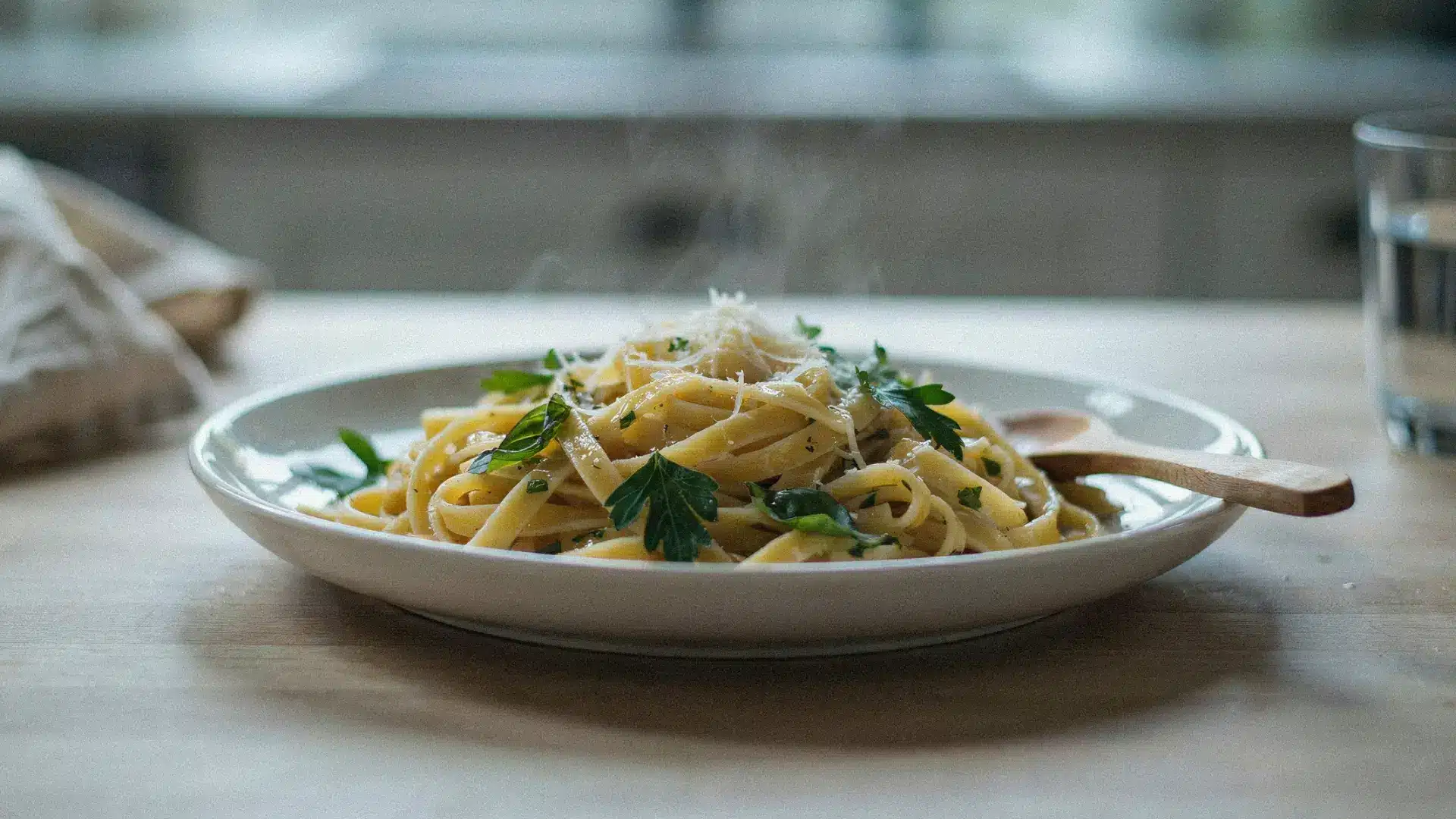

Everything is different with fresh pasta. It requires far less cooking time than dried pasta, has a softer texture, and has a deeper flavor.
However, it’s precisely during that brief cooking period that things go wrong.
The window between perfect and overdone is fewer than 60 seconds, and most home cooks either pull it out too soon or leave it in the water for too long.
Shape, thickness, and a few other important variables that are rarely mentioned in recipes determine the answer to how long it takes to cook fresh pasta properly.
In our list of recipes and cooking, everything related to pasta is covered, from the precise cooking times for each type of pasta to the easy tips that ensure every batch turns out perfectly.
How Long to Cook Fresh Pasta?
In a saucepan of boiling, well-salted water, fresh pasta cooks in 1 to 4 minutes. The form, thickness, and whether or not it is filled all affect how long it takes.
While packed shapes like ravioli require closer to 2.5 to 4 minutes, thin ribbons like tagliatelle can be completed in as little as 1 to 2 minutes.
At the one-minute mark, begin tasting, and pull it with a small chew as soon as it becomes tender.
The most frequent error is waiting for it to “look done”; the bite test is the only trustworthy technique for fresh pasta.
What flour should you choose for making homemade pasta? Find it out here.
Factors That Change Cook Time of Fresh Pasta
Beyond shape alone, several factors affect the cooking time. You avoid guesswork when you know them.
Thickness of the Dough
It takes less than two minutes to cook a 1mm-rolled pasta sheet. It may take four to five minutes to roll the same shape to 2.5 mm. Your cook times will be constant if you roll consistently.
Fresh Off the Board vs Refrigerated vs Frozen
The least amount of time is spent cooking pasta right away after cutting. Pasta that has been refrigerated and solidified overnight requires an additional minute or two.
Chefs and home cooks often argue about whether fresh pasta beats dry pasta.
Many people lean toward fresh, but dry pasta has its own strengths and sometimes works even better for certain dishes.
We talked about this with chef and restaurant owner José Andrés at the Nassau Paradise Island Wine and Food Fest. He shared a few dishes where he prefers dry pasta over fresh.
Water Volume, Pot Size, and Rolling Boil vs Simmer
For every pound of pasta, use four to five quarts of water.
The moment pasta is added to a crowded pot, the water temperature decreases, slowing cooking and increasing sticking.
Instead of a moderate simmer, you want a full rolling boil with big, active bubbles all over the surface. Pasta moves more easily and cooks more evenly at a rolling boil.
Different Types of Pastas and their Cooking Times
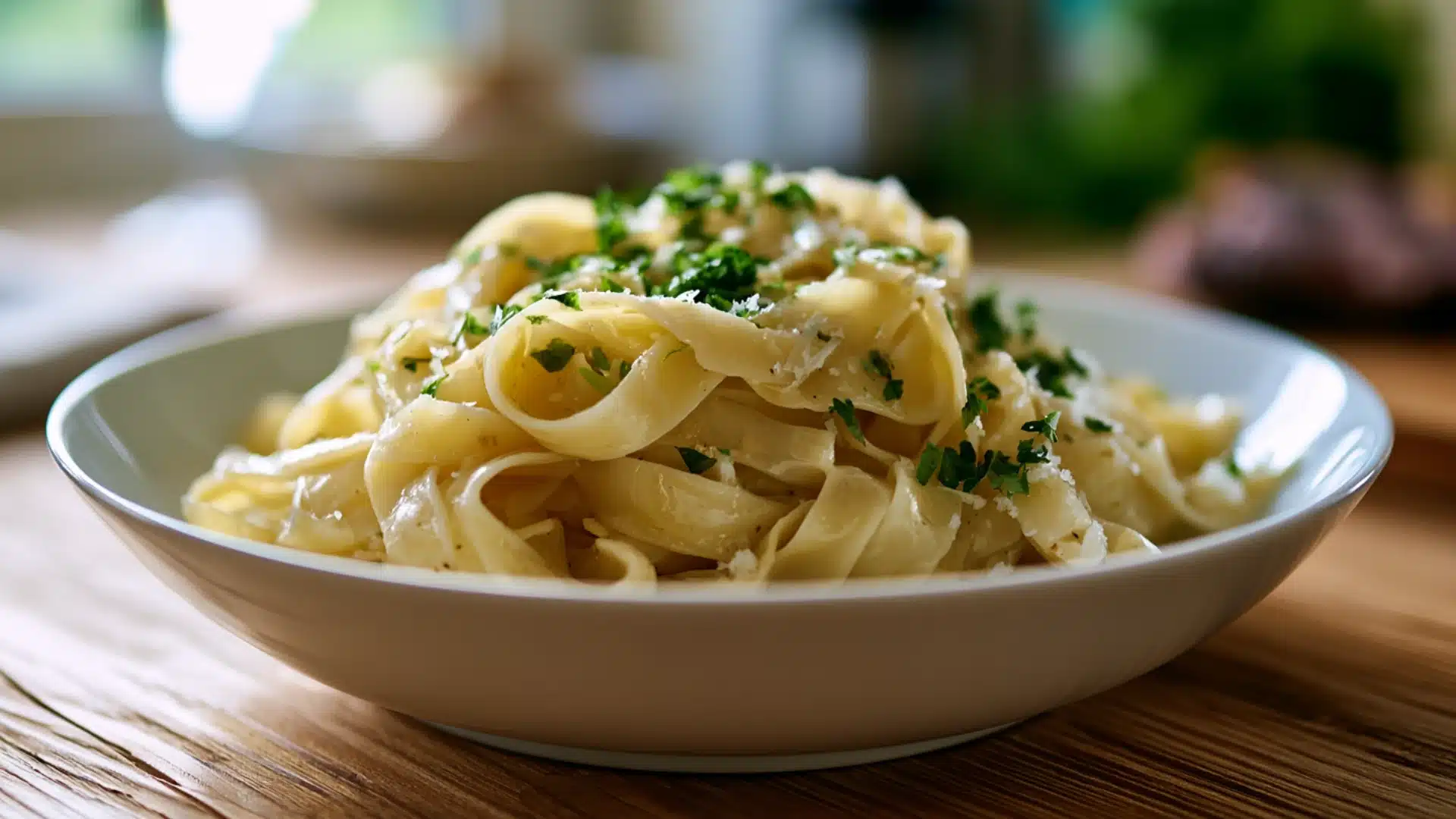
Treating fresh pasta like dried pasta is the biggest error home cooks make. It isn’t. Compared to the box in your pantry, fresh pasta is moist, supple, and ready much sooner.
Knowing your shape is important since there is a 60-second window between perfect and overcooked.
Thin Ribbons and Strands
Pappardelle, fettuccine, and tagliatelle are flat and thin. They cook the quickest. Put them in boiling water, then check after a minute.
Usually, they finish in two minutes. When they start to feel soft but still have some bite, pull them.
Short and Chunky Shapes
Maltagliati, cavatelli, and shorter, thicker shapes require a little more time. Set aside three to five minutes.
The center takes longer to cook through since they have greater dough bulk. Check by tasting one after three minutes.
Stuffed Pasta Like Ravioli and Tortellini
The fast-cook guideline does not apply to stuffed pasta. Tortellini and ravioli require 2.5 to 4 minutes at a low, not high, boil.
The filler may be forced out into the water by a vigorous rolling boil that ruptures the seams. Stir lightly once or twice while maintaining a constant medium-high temperature.
Significant Difference in Timing Between Fresh and Dried Pasta
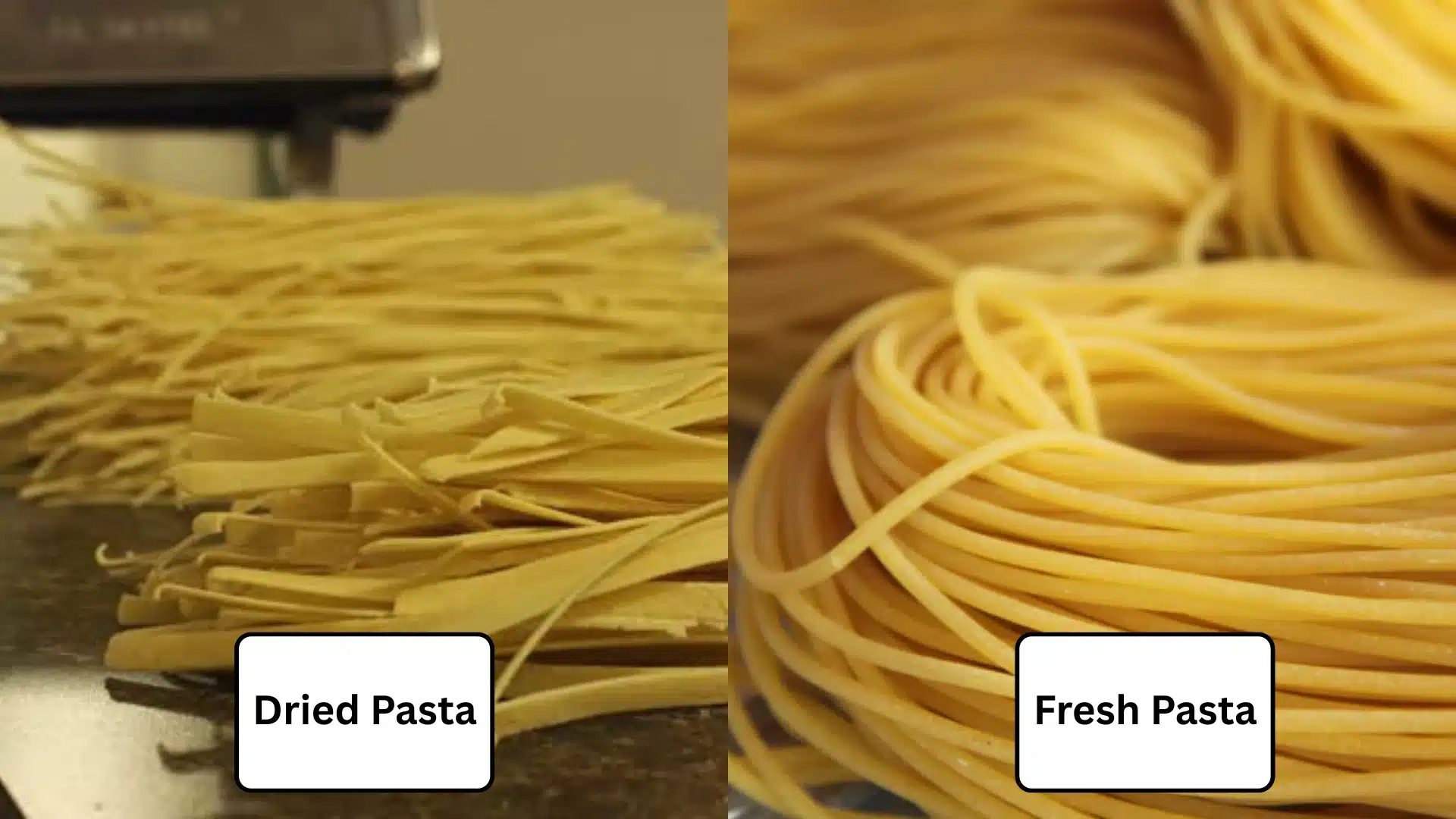
Because fresh pasta is produced with eggs and soft wheat flour, it retains a lot of moisture from the beginning.
Dried pasta, which is prepared from durum semolina, requires time to rehydrate during cooking because nearly all of its moisture has been removed.
Because of this difference in moisture level, fresh pasta can be prepared in less than 4 minutes; however, dried pasta may require up to 12 or 14 minutes.
You will get a soft, sticky mass that crumbles on the fork if you cook fresh pasta according to the dry pasta timetable.
Is it Better to Cook Fresh Pasta Immediately or to Dry it First?
This is one of the most often asked questions, and the response varies depending on what you want to do with the pasta afterward.
You can put freshly cut spaghetti straight into the pot.
However, especially for longer strands like fettuccine, letting it sit and dry somewhat on a floured surface for 15 minutes helps it retain its shape better in the water.
Ravioli and other stuffed pasta require this brief rest much more since the seams tighten up and are far less likely to split when cooking.
Dry the pasta for 30 minutes to several hours before freezing or refrigerating it. Cooking it right out of the freezer or refrigerator increases the cooking time by one to two minutes.
One piece of advice is to cook the pasta fresh and avoid the lengthy drying process if your kitchen is humid. Humidity can cause uneven texture and delay the drying process.
How to Stop Fresh Pasta From Sticking Together?
Fresh pasta sticks quickly.
The pieces begin to clump as soon as they are cut because the surface releases moisture. As soon as the pasta is cut, dust it with semolina, rice flour, or corn flour instead of ordinary all-purpose flour.
Regular flour exacerbates the issue by absorbing back into the dough. Rice flour and semolina are heavier, separate from the dough, and sink to the bottom of the pot when the pasta comes into contact with the water.
Once the pieces have been dusted, arrange them in a single layer on a lightly floured tray. Even a small stack will cause the parts to fuse, so keep them apart.
According to America’s Test Kitchen, resting for 15 minutes after cutting is sufficient to firm the surface and prevent clumping without drying out the pasta.
One other thing: don’t put any oil in the water. When it matters, it causes the pasta to become slick and prevents the sauce from adhering properly.
How to Tell When Fresh Pasta is Done?
The timer is not a finish line, but rather a beginning point. The only way to be certain is to taste. Here’s what to search for:
- Bite Test: First, do a bite test by pulling a piece and biting through it at the one-minute mark. Instead of being floppy and squishy, it should feel delicate when slightly chewed.
- No hard centre: Taste again after 30 more seconds if the center feels chalky or dense.
- Goal is al dente: The goal is al dente, which is supple throughout yet has just enough resilience to press back a little.
- For stuffed pasta: Keep an eye out for the float when eating loaded spaghetti. The filling has heated through when the tortellini or ravioli rises to the top. But to be sure, always try one.
- Signs it is overdone: The pasta turns pale, becomes slick on the fork, and loses its crunch, all of which are indicators that it is overdone. There is no turning back after that.
Conclusion
Fresh pasta is one of the easiest things to make, but there are a few basic steps that must be followed.
Use a large saucepan, salt the water well, add the pasta, keep it in the pot, start tasting early, and pull it when it’s ready.
Once you know how long to cook fresh pasta for each shape, the technique, not the recipe, is what distinguishes excellent fresh pasta from mediocre fresh pasta.
Boiling and cooking the water is the only remaining task. You have the timing, the procedures, and the strategies to prevent it from sticking.
Your best meal of freshly prepared spaghetti is just a pot away.
Frequently Asked Questions (FAQs)
1. Does Fresh Pasta Float When Done?
For one to two minutes, carefully toss the pasta in boiling water. When fresh pasta is almost cooked, it will typically float.
2. Can You Overcook Fresh Pasta?
Yes, and it happens fast. Overcooked fresh pasta turns soft, pale, and slippery. The 60-second window between done and overdone is real.
3. Does Frozen Fresh Pasta Take Longer to Cook?
Only slightly. Cook frozen fresh pasta straight from the freezer without thawing. It adds roughly 1 minute to the cook time.