Archives for 2023

Curtains or Blinds? The Ups & Downs of Both

Modern city living is fast-paced and it’s a wonderful feeling when you take possession of your very first home; this is a time for decisions, Where to live? What type of house do I want? One aspect of home ownership is screening; no one wants to live in a fishbowl and without some form of screening, that’s exactly what you have! Turn on a light and people can see everything, even a few hundred metres away!

What are the options?

The average home has around 14 windows of varying size and it makes sense to be uniform with screening; the choices are curtains or blinds and in this short blog, we take a look at both.

Curtains

Traditional and somewhat elegant, curtains have been around as long as windows, if not longer! The advantages include blackout potential and thermal insulation, while the fabric can become part of the design. One downside is that cleaning can be a problem, depending on the fabric, dry cleaning is one option, or you might be able to wet-wash and iron. Longer curtains need weights sewn into the hem to prevent crinkling. Tracking can be complex, with a few strings that pull curtain rings attached on some form of track. While curtains come in kit form, we recommend having the curtains custom made by a reputable local company.

Blinds When you look at stunning Venetian blinds for New Zealand homes from an award-winning company, it is easy to understand why blinds are so popular. From timber to aluminium or a rich fabric, the choices are indeed many and custom-made blinds? Well, it doesn’t get any better! Blinds are functional and afford the ability to fine-tune shading and, most importantly, to see without being seen.

Styles

The following blinds styles are popular in Australia,

· Venetian blinds

· Vertical blinds

· Roman blinds

· Roller blinds

· Pleated blinds

Within these styles, there are many variables and if you choose a top-rated blinds company, the units will look great and fit perfectly.

Vertical blinds are popular as the slats do not gather dust and are easy to clean with a damp cloth; most offices have vertical blinds, which allow you to fine-tune by tilting the slats, as well as opening and closing. Click here for ways to up the vintage vibe in your home.

One stop solution

Whether blinds or curtains, search online for a leading NZ company that offers made-to-measure blinds that are installed by professionals. They would be happy to send a technician to your home and you can both discuss the many options and when you find the right combination, they can quote an all-inclusive price. Such a company would use the best tracking systems, with powered options that are remotely controlled and there are so many choices regarding material and design. Home improvements won’t be far from your mind and over time, you can make some appealing changes.

Once the screening is complete, you can move in and start arranging things, which is an exciting prospect.

6 Tips for Improving Your Home’s Curb Appeal

Roscoe, IL, is a nice, intimate suburb with only about 11,000 residents. So, there’s a high chance that word will get around quickly. Now, unless you want the rest of the homeowners in your area to discuss how unkempt your house looks, you’d want to make an effort to improve its curb appeal.

The best part is that this effort won’t just make your house look pretty. Roscoe’s housing market is highly competitive. An average three-bedroom house gets sold for over $240K and barely stays on the market for a month. Yes, it’s a seller’s market. So, if you’re planning to sell your home in the near future, it’s time you start making amends to the exterior now. Like it or not, a buyer really cares how your home looks on the outside.

So, what can you do? Let’s find out.

1. Replace the Siding

Your house’s siding isn’t only an aesthetic element; it’s also functional. It improves insulation and protects your property from the elements. Sadly, over time, it may face a few issues.

· Weathering and pest infestations can cause cracks and holes

· Humidity can cause mold growth

· Excess UV exposure can dull the color

· High winds can loosen the shingles

Most homeowners neglect these issues, assuming it’ll take a lot of money and time to fix them. However, if you do it right and work with a local siding replacement company, you’ll be able to get the job done within your budget.

The experts will also be able to help you with selecting the right type of siding material. Factor in your location’s weather, the costs, and the maintenance required to make an informed decision.

2. Keep Your Garden in Order

Roscoe is a fantastic spot for gardening enthusiasts. The climate allows for plants to thrive, and the pleasantly warm summer days are perfect for you to enjoy time relaxing in your front yard. Use this to your advantage to easily boost your home’s curb appeal.

Mow the lawn regularly, trim the hedges and shrubs, pull out weeds, and water the plants.

You can also plant some native flowers to add more color and vibrancy to your garden. Blazing Star, Butterfly Weed, and Wild Columbine will all look nice. Or how about some fruits and vegetables?

And, of course, keep your garden clean and well-maintained.

If you don’t have a green thumb or simply can’t make time for it, get a professional landscaping service provider on board.

3. Enhance the Front Door

We might not realize it, but sometimes it’s the littlest of things that can have the greatest impact. In this case, it’s your home’s front door. That large plank of wood can really turn things around for your home’s exterior presentation.

Try painting it in a new color, but be sure to pick a shade that compliments the rest of your house. For example, if your siding is light blue, a black front door would work really well. You can also install new hardware. Think of a modern door knocker in matte black or brushed bronze, paired with a sleek handle and matching lock.

You can also add a touch of your personality by hanging a handmade wreath or rolling out a welcome mat that has a catchy message.

4. Get New Windows

When was the last time you gave your windows a good wash? Been a while, right? Well, we aren’t surprised; windows don’t usually get the TLC they deserve. Dust streaks, spiderwebs, water stains, and cracks all affect your house’s curb appeal, and that last point might even be responsible for causing a spike in your energy bills.

So, get your windows replaced before you put up the ‘for sale’ sign. Choose from a variety of styles like single or double-hung, casement, bay, or garden windows. You can also opt for energy-efficient options like Low-E glass and Argon gas-filled panes. These will help in keeping your home comfortable while also reducing your carbon footprint.

While you’re at it, pay some attention to the window treatments, too. You can go for simple yet elegant curtains or trendy blinds and shades, depending on your personal style.

5. Work on the Lighting

Never underestimate the power of lighting. It can highlight the architectural standpoints of your home, enhance security at night, and create a serene vibe when done right. You just have to know how to use it well.

For walkways and driveways, use some low-voltage LED lights. Ground lighting, brick wall lights, and bollards will all do a great job. They’ll illuminate the path and subtly draw attention to your home’s exterior.

Wall-mounted porch lights are ideal for adding a warm glow, while spotlights can accentuate certain features like trees and fountains.

If you want to add a touch of whimsy, install lanterns, drape string lights, or DIY some mason jar candle holders to hang from your trees.

6. Resurface the Driveway

If you think no one notices the annoying potholes and alligator cracks in your driveway, you’re wrong! They call attention to themselves, especially when someone drives over them, sending a message that you don’t really care about taking care of your home.

But you can fix this problem without breaking the bank. Resurface your driveway to give it a smooth and polished look. You’ll also avoid any incidents of tripping or falling over these eyesores in the future.

If asphalt isn’t your thing, go for gravel, concrete, brick pavers, or natural stone. Which one you pick depends on your home’s architecture and your budget. For example, brick pavers will look great with traditional homes, while modern homes can sport a concrete or gravel driveway. If you go for gravel, you can enhance your drive’s aesthetics and functionality by opting for a distinguished driveway with a gravelrings gravel grid system.

The Final Word

Your home’s exterior is what gives people the first impression of your property. It can make or break a deal, so investing time and effort into it is essential.

Use these tips to make sure your home stands out from the rest on the market and attracts potential buyers with its stunning exterior. Make them fall in love at first sight!

However, we don’t recommend undertaking all of these projects at once. Plan out your budget and prioritize which areas need the most attention. This way, you won’t feel overwhelmed, and your home’s curb appeal will continue to improve over time. Remember, a little goes a long way!

Interior Design Colour Trends For The Winter

Winter is just around the corner, so it’s the perfect time to update your home with the latest

trends and colour palettes to elevate your space for the darker months ahead. In winter, we

like to create a warmer, inviting environment to feel protected from the harsher weather

outside, making our living spaces a cosy oasis. Let’s take a look at the most recommended

colour trends to implement into your home this new season that will transform your space

from earth-toned bedding sets, neutral wall art and jewel-toned wallpapers.

Jewel Tones

It’s the season for jewel tones. Deep emerald greens, amethyst purples, and sapphire blues

are stealing the spotlight this winter, gaining a lot of attraction from interior designers. Not

only do these tones add a touch of sophistication and richness, but they also give off the

sense of warmth and ambience we search for in the winter months. You can consider

incorporating these jewel tones in various ways, including accent walls, velvet sofas, and

decorative accessories like throws and candles.

If you want to use jewel tones more subtly, you can introduce them in small yet impactful

ways. This could be a modern sapphire vase to house your flowers, a set of emerald green

cushions to make your neutral sofa pop or a deep amethyst rug to set apart a section of

the room. Opting for smaller elements with jewel tones gives you the opportunity to easily

swap them out for other items as and when seasons and trends change, allowing you to

refresh your home effortlessly.

Monochromatic

A colour palette that never goes out of style is monochromatic. This has always and will

continue to be a popular choice for many interior designers and homeowners alike due to

its simplicity and timelessness. This style involves choosing a singular base colour, such as

a classic staple grey and building other elements of the room with variations of this shade.

For example, you could have deep grey throw pillows, light grey flooring, and a charcoal

accent wall. Adding these variations of one colour into a room creates a chic and cohesive look that can be easily added to or changed when you want a little switch up. Their simplicity and elegance make them one of the optimal choices for a winter aesthetic. Earthy Tones Incorporate some natural, earthy tones into your home for winter if you want to create a sense of connection with the great outdoors, bringing the autumnal winter vibes inside. Warm browns, muted greens, dusky blues and burnt oranges will make your home feel like a welcoming, cosy, warm retreat the second you walk through your front door. Bring a grounding, organic look to your home with wooden furniture, knitted rugs and throws, as well as a selection of indoor plants. Soft Pastels While most often, pastels are associated with springtime and summertime, they have now found their way into the homes of many for winter interiors, too. These pastel tones offer a calming, tranquil atmosphere, often much needed in colder, darker months. Brighten up your space with soft blush pinks, pale lavenders and gentle blue and greens with the likes of wallpapers for accent walls, colourful scatter cushions and fun bedspreads. Another option you can take if you like having pastel tones in your come is combining them with neutral earthy tones. These colours can work particularly well together in bedrooms and living rooms to unwind after a long day out in the cold. Neutrals Finally, we have neutrals, a timeless colour scheme that has never gone out of style. Whether you have a modern chic home, a vintage home, an industrial home or love the Scandinavian look, neutral tones will work for you. This winter, warm neutrals like creamy whites, deep greys and soft beiges are all the hype. The hues create a calming atmosphere, providing a blissful, clean, simple backdrop that you can add to and accessorise in almost any way. These colours can be used for bigger, bulky pieces of furniture, they can be painted on the wall, or they can be accent pieces of artwork. If you have a fear of your home looking too monotonous, try adding an array of pops of colour with small pieces that work cohesively with the neutral wall art you have. Whether you opt for elegant jewel tones, calming bright pastels, or soothing earthy neutrals,

the key is to balance the colours while ensuring your home reflects your personality and style. Adding these winter interior design colour trends to your property this season will not only keep your house stylish, but also create a welcoming setting you can’t wait to return to after a long day out in the winter chill.

How Turkish Recipes Have Become A Trend

The culinary world is abuzz with a flavorful storm hailing from Turkey – a country where food is much more than sustenance; it’s an emotional, social ritual. Imagine walking through the streets of Istanbul, where the air is pregnant with the aroma of spices, grilled meats, and warm bread. This is the Turkish food experience, a delightful assault on the senses that has been steadily seducing the global food scene. From the robust, meaty delights to the subtle, sweet pastries, Turkish cuisine offers a rich, multi-layered feast that has found its way into the hearts (and stomachs) of food enthusiasts worldwide. It’s more than a trend; it’s a culinary revelation.

1. The Historical Fusion in Turkish Cuisine

Tracing its roots back to the opulent courts of the Ottoman Empire, Turkish cuisine is a spectacular fusion of cultures. This food tradition, honed over centuries, blends flavors from Central Asian, Middle Eastern, and Balkan cuisines, creating a taste profile that’s rich and diverse. It’s this historical melting pot of influences that makes Turkish dishes stand out on the global culinary stage today, offering a unique taste adventure that continues to captivate food lovers around the world.

2. Cooking Up Popularity

In the digital era, nothing escapes the eye of social media – and Turkish recipes are no exception. The world is a global village, and with a few clicks, food enthusiasts are exploring the rich culinary art of

Turkey from their kitchens. Instagram, Pinterest, and Facebook are bustling with vibrant photos, videos, and recipes of mouth-watering Turkish dishes, bridging the gap between cultures.

These platforms aren’t just for sharing; they’re for learning. From the seasoned chef to the culinary novice, thousands are following step-by-step Turkish recipes online, unraveling the mystique behind the mouth-watering flavors of dishes like Menemen, Manti, and Iskender kebab. What’s more, interactive platforms allow for feedback and exchange of tips and tweaks, fostering a community of global food lovers united by a shared love for Turkish cuisine.

But it’s not just about following recipes. It’s about sharing experiences. People aren’t just posting pictures of their delicious outcomes; they’re narrating stories of the cooking process, their bloopers, their improvisations, and their families’ reactions to a Turkish dinner night. This personal touch is what transforms a recipe post into a shared culinary adventure, making Turkish recipes a thriving, interactive trend rather than a static instruction on a page.

3. The Charm of Turkish Street Food

One cannot discuss Turkish food without tipping a hat to its vibrant street food culture. Quick, delicious, and robust, items like Simit (sesame-encrusted bread rings), Kumpir (stuffed baked potatoes), and, of course, the globally renowned Döner are more than fast food; they are a cultural institution, an integral part of the Turkish lifestyle that’s fast becoming a global phenomenon.

4. Turkish Delights

When it comes to sweets, Turkish cuisine is a realm of decadent possibilities. The Western world’s introduction to Turkish Delight has opened the floodgates to other sweet wonders, including the syrupy layers of Baklava and the creamy decadence of Kunefe. These desserts are not just a perfect end to a meal; they’re a sweet peek into Turkey’s rich culinary heritage.

5. The Healthful Blend

Turkish food isn’t just about tantalizing your taste buds; it’s also about nourishing your body. The cuisine’s emphasis on fresh vegetables, lean meats, and a rainbow of spices creates dishes that dazzle the palate while offering a host of health benefits. It’s food that makes you feel as good as it tastes, and that’s a universal craving.

6. Turkish Coffee Culture

Move over, espresso bars; Turkish coffee is here to stay. This isn’t your regular coffee fix. It’s a rich, frothy, almost ritualistic experience that has been part of Turkish hospitality for centuries. Served in elegant tiny cups, Turkish coffee is a cultural institution, a symbol of friendship, and a testament to Turkey’s penchant for doing things with flair and drama.

7. The Kebab Craze

The humble kebab, a global sensation, has roots tracing back to Turkish hearths. But there’s more to it than the well-loved döner. From the spiced layers of Adana kebabs to the simplicity of şiş kebabs, these grilled delights are a carnivore’s dream, showcasing the range and depth of Turkey’s culinary innovation.

8. Breakfast Fit for Sultans

Forget the rushed toast-and-coffee routine; a Turkish breakfast is a grand affair. It’s a lavish, leisurely event with an array of cheeses, olives, bread, eggs, and more, often stretching into the afternoon. This

breakfast tradition, akin to a banquet, reflects the Turkish belief in starting the day with abundance and joy – a practice the rest of the world is happily embracing.

9. Vegan-Friendly

With a cornucopia of vegetable stews, grain-based salads, and legume-heavy dishes, Turkish cuisine is a haven for vegetarians and vegans. It’s a testament to the cuisine’s versatility and its ability to cater to a diverse array of dietary preferences without compromising on flavor – a key reason behind its soaring international popularity.

10. The Global Spread

Today, the Turkish food craze isn’t just confined to Istanbul’s bustling streets; it’s gone global. From Berlin’s busy thoroughfares to New York’s vibrant neighborhoods, Turkish restaurants are proliferating, serving up traditional delicacies. It’s not just about eateries, though; celebrity chefs and culinary TV shows have taken Turkish cuisine to new heights of international fame, introducing food enthusiasts worldwide to the delights of dishes like koftes, pides, and more.

Conclusion

Turkish cuisine, with its rich flavors, diverse offerings, and unparalleled taste adventure, continues to charm the world. Its global journey from the regal Ottoman courts to the buzzing streets of Istanbul and now into kitchens worldwide is nothing short of extraordinary. As more food lovers explore this culinary treasure, Turkish cuisine is not just a fleeting trend; it’s a global movement, a testament to Turkey’s rich cultural heritage and its enduring power to connect people across continents through food.

Lawn Care Essentials: The Tools That Make Your Yard Shine

Maintaining a healthy and attractive lawn requires specific tools designed to cater to various needs in lawn care. 

 From essential tools such as lawnmowers, trimmers, and edgers to smart irrigation systems, each contributes significantly to the overall aesthetics and health of your yard. 

 If you want to learn more about the comprehensive overview of these tools, their importance, and some tips on how to effectively utilize them, read on. 

Lawnmowers: Your Key to a Well-Manicured Yard 

 Source 

 When choosing a lawnmower, consider the size of your lawn and the type of terrain you have. If you have a small yard with mostly flat terrain, a push mower may be sufficient. However, for larger yards or uneven terrain, a self-propelled or riding mower would be more practical. 

 Look for features such as adjustable cutting height, easy maneuverability, and a powerful engine. Regular maintenance, such as sharpening the blades and cleaning the air filter, is crucial to keep your lawnmower in peak condition. 

 With the right lawnmower, you can effortlessly achieve that perfectly groomed yard you desire. 

Trimmers and Edgers: Perfecting the Finishing Touches 

 Source 

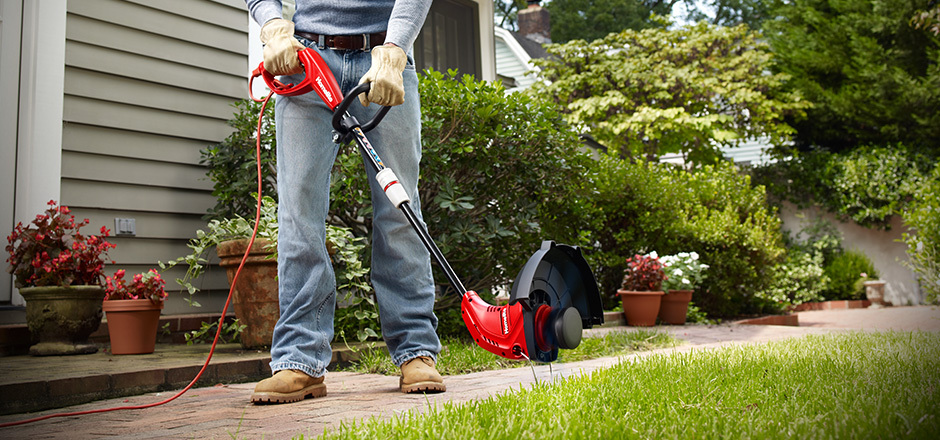
 To achieve a polished look for your yard, consider using trimmers and edgers to perfect the finishing touches. These tools are essential for creating defined edges along driveways, walkways, and flower beds, giving your yard a well-groomed appearance. 

 Trimmers are designed to cut grass in tight spaces and around obstacles, such as trees and fences. They’re lightweight and easy to maneuver, making them ideal for precision trimming. 

 On the other hand, edgers are specifically designed to create clean and crisp edges along sidewalks and curbs. They provide a professional look by separating your lawn from paved areas. 

 By using trimmers and edgers, you can effortlessly achieve a neat and tidy yard that will be the envy of your neighbors. 

Spreader Settings: Optimizing Lawn Health and Appearance 

 Source 

 Spreader settings play a vital role in maintaining the health and appearance of lawns. These settings determine the rate and distribution of various lawn care products, such as fertilizers, seeds, and insecticides. 

 For instance, Scotts spreader settings lbs per 1,000 sq ft refer to a specific measurement guide provided by the brand for their spreaders. These settings indicate the appropriate rate at which lawn care products should be applied over a given area of 1,000 square feet. 

 A proper spreader setting ensures that fertilizers, seeds, and insecticides are spread uniformly across the lawn, preventing over or under-application of essential nutrients or chemicals. This uniform coverage promotes even growth, reduces the risk of burning or damaging the grass, and helps control pests effectively. 

 Furthermore, using the correct spreader settings saves time and maximizes the efficiency of lawn care efforts. Neglecting or incorrectly setting the spreader can lead to uneven growth, patches of yellow or dead grass, and wasted resources. 

 In essence, understanding and utilizing the appropriate spreader settings is essential for maintaining lush, green lawns, preserving their health, and achieving desired aesthetic outcomes. 

Sprinkler Systems: Ensuring Your Lawn Gets the Right Amount of Water 

Your sprinkler system’s timer can be easily adjusted to ensure that your lawn receives the perfect amount of water. 

 By making small changes to the timer settings, you can effectively control how much water is distributed to your lawn. Start by determining the optimal watering schedule for your specific type of grass and climate. This will help you avoid over or under-watering, which can lead to unhealthy or damaged grass. 

Next, adjust the duration of each watering cycle to ensure that the water penetrates deep into the soil, promoting strong root growth. 

 Finally, consider using smart technology that adjusts watering based on current weather conditions, further optimizing water usage. If you have a large garden, you can install one of these garden watering systems from leakypipe.co.uk that automatically waters large areas including hedges, greenhouses and rows of vegetables.

With a few simple adjustments to your sprinkler system, you can ensure that your lawn stays healthy and vibrant all year round.

Leaf Blowers: Keeping Your Yard Clean and Tidy 


Source 

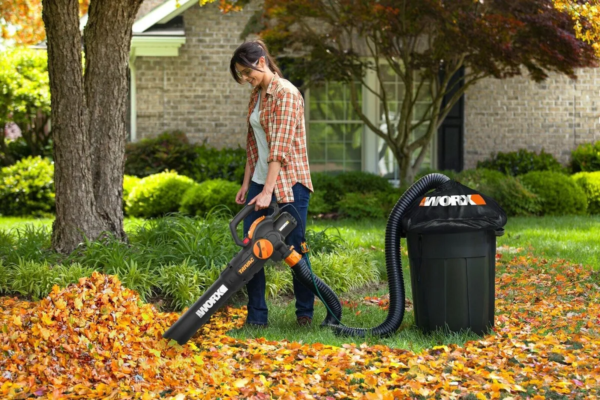
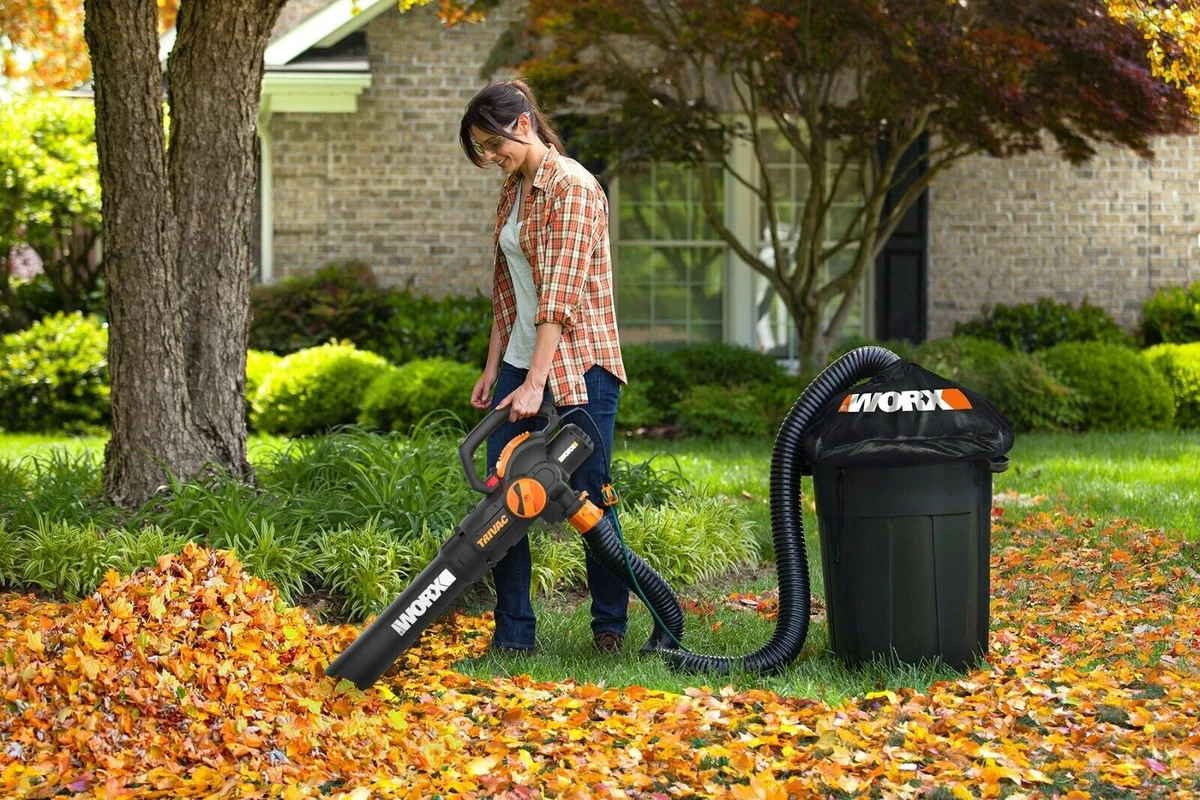
 Using a leaf blower will effortlessly clear away leaves and debris from your yard, keeping it clean and tidy. This handy tool uses a powerful stream of air to blow away leaves, grass clippings, and other small debris that can accumulate in your yard. 

 It’s lightweight and easy to use, making it a convenient option for maintaining a well-maintained outdoor space. 

 Simply point the nozzle in the direction you want the debris to go and let the blower do the work. The high-speed airflow will quickly remove the leaves, leaving your yard looking neat and presentable. 

 Additionally, using a leaf blower can save you time and effort compared to raking or sweeping, especially if you have a large yard. So, consider investing in a leaf blower to make yard maintenance a breeze. 

Soil Testing Kits: Nurturing Your Lawn’s Health From the Ground Up 

A soil testing kit can help you determine the pH level, nutrient deficiencies, and organic matter content. 

 Here’s why it’s important: 

 Optimal Plant Growth: By identifying nutrient imbalances, you can adjust the fertilization routine and promote healthy growth. 

 Prevent Plant Diseases: Testing the soil allows you to detect any potential issues that may lead to plant diseases, helping you take preventive measures. 

 Water Conservation: Understanding the soil’s water retention capacity allows you to optimize irrigation, reducing water waste. 

 Cost Efficiency: By knowing the soil’s condition, you can avoid unnecessary expenses on fertilizers and treatments that may not be required. 

Weed Control Tools: Banishing Unwanted Guests From Your Yard 

Get rid of pesky weeds in your yard by using effective weed control tools that will keep them out for good. Weeds can quickly take over your yard and ruin the appearance of your beautiful lawn. But with the right tools, you can easily banish these unwanted guests and maintain a weed-free yard. 

 One essential tool is a weed trimmer or weed eater, which allows you to cut down weeds in hard-to-reach areas. 

 Another useful tool is a handheld weeder, which helps you remove weeds at the root.  

 Additionally, a garden hoe or cultivator can be used to loosen the soil and prevent weed growth. 

 Lastly, a weed control spray can be effective in killing existing weeds and preventing new ones from sprouting. 

 With these tools in your arsenal, you can say goodbye to pesky weeds and hello to a pristine yard. 

Garden Hand Tools: The Must-Haves for Every Green Thumb 

You’ll love the convenience and efficiency of these garden hand tools – they’re the perfect addition to your green thumb toolkit. 

 Hand Trowel: This versatile tool allows you to dig, transplant, and mix soil with ease, making your gardening tasks a breeze. 

 Pruning Shears: Trim and shape your plants effortlessly, ensuring they grow beautifully and stay healthy. 

 Weeder: Say goodbye to pesky weeds that invade your garden. This tool makes removing them a cinch, giving your plants room to thrive. 

 Garden Gloves: Protect your hands from dirt, thorns, and cuts while providing a comfortable grip. These gloves make your gardening experience safer and more enjoyable. 

 In conclusion, owning the right set of tools is vital in achieving and maintaining a pleasing and flourishing yard. Each tool has its unique role to play, from lawn mowing, trimming, edging, spreading, watering, and cleaning, to soil testing, weed control, and even gardening. 

 Having them in your lawn care arsenal gives you the versatility to handle various tasks with ease and efficiency, making lawn maintenance enjoyable rather than a chore. So arm yourself with these necessary tools, and have your yard shine all year round. 

5 Ways To Up The Vintage Vibe in Your Home

Are you fed up with the modern theme in most people’s homes? Do you want your home décor to look a bit more retro?

This is a quirky and fun way to design your home, allowing you to experiment with different colors, different accessories, and different items to really pull the vintage vibe together.

Unsure of where to start? Here are some interesting design ideas to help get your creative juices flowing.

The Flooring

Starting with the flooring, it has to be either carpets with rugs or tiles. Usually, the tiles are made of a lighter stone, like Quorn stone, to add brightness to the space that they are in. If you are laying carpets, opt for cream or pale colors. Try not to match the walls with the carpets, as this can overly saturate a room,

Color Scheme When you think of a vintage home, you aren’t going to think of the greys, dark reds, and vibrant teals that are seen in many homes designed to look modern. Indeed, the color scheme is paler and is a bit more pastel. So, if you want to make your living room look more vintage or retro, choose your favorite color and then find the pastel version of it. Same for all the other rooms in the house! There are no real bold colors in a vintage home, except maybe the dresses.

Antique Furniture

Truly vintage furniture can cost a fortune, and if you don’t have a fortune to spend decorating your home, it can feel very hard to get a true vintage vibe going.

However, there are some online retailers that specialize in making furniture from set decades, such as the 1920s onwards, so you can choose newly made furniture that has a vintage vibe. If you have a car, it can be worth driving around to antique stores to assess the furniture that they have available, as it can save you a fortune in shipping costs!

White Goods

Of course, what would a vintage home be without a traditional fridge, oven, and even bathroom appliances?

If you have the money to splash, here is one area where you can really up the vintage theme. Aim to look for kitchen items and bathroom items that are either based on 1950s or other vintage period furniture or opt to redesign modern pieces to fit that mold. The latter is trickier and only really recommended for those who have more than a few years of practicing DIY, as you will want the appliances to work, too! If you are having a gas oven fitted, make sure that it passes all of the required safety checks before cooking food in it!

Wall Art

OK, so vintage wall art is not going to be made from metal and look like it belongs in the Tate Modern.

In most homes that have a vintage vibe, the artwork on the walls is classic posters or even classic art pieces. Think of the 1950s posters that were advertising things like pancakes in a café or even famous brands of washing powder. Have these framed, and you’ve got yourself a nice piece of vintage wall art!

These have the advantage of being found in reprint form online for relatively low prices, so you don’t need to spend a great deal of money here!

6 Reasons You Need to Hire a Remodeling Contractor For Your Next Project

Taking on a remodeling project can be an exciting yet daunting endeavor. The prospect of transforming your home into a space that better suits your lifestyle is thrilling. However, remodeling also requires significant time, effort, and expertise to execute properly, especially under budget.

A 2019 Houzz & Home study shows that 31 percent of homeowners who remodeled exceeded their budget, and 36 percent of remodeling projects were completed on budget. Only 3 percent came in under budget, while 29 percent had no budget at all for their projects.

Hiring a professional remodeling contractor is the best way to ensure your next remodeling project remains under budget. Remodeling contractors have the skills, experience, and resources to seamlessly guide you through the process.

Working with a pro remodeler reduces stress, saves time and money, can help you save money for your new house and leads to better results. Below are eight compelling reasons to hire a contractor for your upcoming remodeling project.

1. Peace of Mind

Hiring a professional, experienced remodeler means you can simply relax knowing your project is in capable hands from start to finish. You won’t have to stress over learning new skills from YouTube videos, making complex design decisions outside your expertise, or solving the inevitable problems that arise.

The contractor will proactively communicate with you at every stage while competently handling all aspects of the remodel themselves. You’ll have full confidence that the finished product will meet your expectations, timeline, and budget without you having to lose sleep.

2. Expertise and Experience

Remodeling projects require an immense breadth and depth of expertise that most homeowners simply do not possess. Seasoned remodelers have spent years, even decades, meticulously honing their skills across various facets of home remodeling. Specifically, when it comes to complex projects like kitchen and bathroom transformations, having an expert hand is crucial. Companies such as CMK Construction, which specialize in kitchen and bathroom remodeling, bring a wealth of tailored experience to the table. Their track record showcases numerous transformations of these essential home spaces, adapting them to modern aesthetics and functionalities. This level of specialization means they’re well-versed in the unique challenges these rooms present, from plumbing intricacies to cabinetry design.

Beyond these specific areas, seasoned contractors have also worked on broader residential and commercial spaces of all sizes and types. They understand the intricacies of how all the moving parts fit together. These veterans have established trusted relationships with skilled subcontractors in every trade, as well as suppliers who provide quality materials and fixtures.

Their robust networks get you the best workmanship and products at fair prices. The remodeler’s wealth of expertise serves as an invaluable asset for transforming your vision into reality in the most efficient, cost-effective manner possible.

3. Objective Guidance

A professional remodeling contractor provides an objective, impartial perspective on your project that you simply cannot get on your own. They can take a big-picture view and advise you honestly on the feasibility of your plans, budget, and timeline.

An experienced contractor can identify potential issues and shortcomings in your design that you are too close to see. They can steer you away from trends or materials that may not stand the test of time. The contractor has the knowledge to ensure you get the absolute most value and return on investment from your remodeling budget.

With no personal attachments involved, the contractor has your best interests in mind. Their objective guidance can save you from making very costly mistakes that result from the emotional or subjective viewpoint of a homeowner.

4. Project Management

For the typical homeowner, juggling the countless moving parts and details involved in a remodeling project is enormously difficult and frustrating. Construction timelines, permitting, hiring subcontractors, ordering materials, scheduling inspections – it’s a project management nightmare.

In contrast, contractors are absolute masters at the process of project management. They develop comprehensive schedules laying out the timeline for your project in granular detail. The contractor then oversees and coordinates every single step, from start to finish. This includes securing permits, ordering all necessary materials and fixtures, vetting and scheduling qualified subcontractors for each phase, supervising day-to-day work on-site, and managing all required inspections. This lifts the massive burden of project management off the homeowner’s shoulders so you can relax knowing your project is running smoothly.

5. Access to Resources

Professional remodelers can access invaluable resources, connections, and buying power that individual homeowners typically can’t leverage. They have spent years establishing trusted networks of skilled subcontractors in every trade – electricians, plumbers, framers, drywallers – who they know will provide quality workmanship.

Contractors have account relationships with suppliers and distributors of all types of materials and fixtures, allowing them to take advantage of contractor discounts and pricing homeowners can’t obtain.

Many established contractors have lending relationships that allow them to facilitate financing for their clients to fund larger projects. Their connections across all facets of the industry enable them to complete remodeling projects with greater efficiency and cost-effectiveness.

6. Warranties and Protection

Reputable, professional remodeling contractors stand behind their work by providing warranties and guarantees. This gives you peace of mind and recourse should any defects arise in materials or workmanship.

Established remodelers carry robust general liability insurance policies to cover any property damage or injuries that occur on the job. They also carry workers’ compensation insurance to cover any injuries sustained by their employees. This protects homeowners from the huge liability risks of having uninsured laborers on their property.

Many homeowners insurance policies explicitly exclude remodeling work done by the homeowners themselves. However, hiring a licensed pro means you get essential financial protection if the unexpected happens.

Conclusion

Remodeling your home is an exciting opportunity to improve your living space and potentially increase the value of your real estate asset. However, the process comes with many pitfalls for the inexperienced homeowner. Hiring a professional, reputable contractor is the best way to turn your vision into reality while avoiding the stress, delays, and mistakes of DIY projects. Their expertise guides you to the best solutions; their connections provide access to resources you lack on your own; their project management lifts the burden from you; and their experience results in a higher quality, higher value

finished product. For your next remodeling project, do yourself a favor by hiring a qualified local contractor.

Preventive Maintenance for Water Heaters

Most homes rely on water heaters to heat incoming cold water so that sinks, dishwashers, clothes washers, and showers can produce warm or hot water for use. Water heaters may be powered by electricity, gas or solar energy sources. 

Electric water heaters use less energy and cost less to purchase and install than their counterparts. They’re also easier to manage in terms of maintenance. This article tells you all you need to know all you need in the event you want to see if water heaters are covered by home warranty.  

Tank-Style Water Heaters 

Traditional water heaters use a storage tank to store hot water, operating either with natural gas fuel or electricity and often measuring between 30-50 gallons in size. Installation will generally require several square feet of floor space depending on its capacity and model. 

Cold water enters a tank and is heated to an optimal temperature by the heater, then when used it turns off again when another demand for hot water arises – thus creating standby heat loss, an energy wasteful practice. 

Tank-style water heaters can be installed in garages, basements, utility closets or sometimes directly inside homes themselves. Installation typically requires an increased gas line capacity as well as special venting procedures; experienced professionals should handle installation. 

Point-of-Use Water Heaters 

Point-of-use water heaters can be found under or adjacent to sinks or showers, preheating small amounts of water so it will be ready when faucets or showerheads are turned on. This system eliminates wasteful hot water usage in long hot water lines while cutting energy costs significantly. 

These mini-tank or tankless water heaters can be found anywhere. From showers, kitchen sinks, and washing machines – to campers who require instantaneous hot water on demand – there’s sure to be an application where these tankless heaters would come in handy! From installing them in homes without extensive plumbing repiping needs; all the way to being convenient options when traveling! These water heaters come with both electric and gas-powered options depending on the application; making POS water heaters an attractive solution when traveling abroad or camping! 

Mobile Homes 

Mobile homes (aka manufactured homes) have specific water heater needs. Standard tank-style models don’t take these unique considerations into account and may fail to comply with code or HUD safety approval requirements. 

To operate safely, these water heaters must be placed within enclosures that protect their combustion and venting systems from entering the mobile home environment, thus providing sufficient ventilation. Otherwise, inadequate ventilation could result in high carbon monoxide levels within. 

Due to limited space available for storage purposes, the water heater tank must be designed so as to fit within a small closet or storage area. A special locking strap kit comes standard with each gas or oil-powered model for this reason. 

Manufacturers such as A.O. Smith and Rheem provide mobile home compatible models that can operate on either natural gas or liquified petroleum (LP) gas. While these units come pre-set to natural gas when manufactured, conversion kits are readily available that enable quick transition between natural and LP operation. 

Maintenance 

Water heaters work hard to provide us with warm baths, fresh clothes and sparkling pots and pans. Maintaining preventive maintenance tasks ensures safety, efficiency and extends the lifespan of these systems. 

One of the most essential maintenance tasks for both gas and electric tanks is flushing them twice or three times annually to remove sediment buildup, especially in regions with hard water where this mineral accumulation could reduce longevity while increasing heating costs. 

When selecting a maintenance service provider, look for technicians with experience and certifications to ensure quality workmanship. They should understand all state and federal safety compliance codes for water heaters as well as each system type’s individual specifications. In addition, they should know how to safely work around potentially flammable materials surrounding the area of the water heater while turning off gas supply lines or pilot lights as necessary. 


8 Great Tips for Weatherproofing Your Home

home porch

Every year, homeowners spend thousands of dollars on home renovations because of adverse weather conditions, which could have been avoided with proper weatherproofing. Weatherproofing your home isn’t just about shielding it from the cold or heat; it’s about protecting its structural integrity and sparing you from unexpected repair bills.

If you live in a city like Pittsburgh, where average winter temperatures often dip below freezing and summer storms are increasingly frequent, there’s no doubt that your home is constantly put to the test. If the memories of a drafty living room, a frozen pipe, or the panic of a flooded basement are all too familiar, then you’re in the right place. Here are some of the most important tips to ensure your home is well-equipped to stand strong against nature’s persistent onslaught.

1. Invest in the Right Windows

Investing in quality windows designed for insulation, durability, and weather resistance can make a big impact on the energy efficiency of your home. Look for windows with at least double-paned glass, composite framing material, insulating gas between the panes, and weatherstripping around the sashes. You could also consider upgrading your windows with Storm Pro Window and Door to enhance insulation and further safeguard your home against extreme weather conditions.

the sashes. High-performance windows will do more to prevent heat or cold transfer than single-pane windows with basic frames. When considering window replacements, consulting a reputable replacement window company in Pittsburgh can ensure you’re getting the best products for your weatherproofing needs. New windows are a significant investment, but they also provide great long-term benefits with regard to weatherproofing, energy savings, and comfort.

2. Sealing All the Gaps

Sealing any gaps, cracks, or holes on the inside and outside of your home is crucial for weatherproofing. This includes caulking and sealing any cracks in your home’s siding, brickwork, or stucco. Use weather stripping around doors and windows and seal any openings in pipes, vents, and wiring holes. Also, be sure to fix any damaged screens on windows and doors.

Sealing gaps helps stop cold drafts in winter and keeps cooled air inside during summer. It also helps keep out moisture, dust, pollen, and pests. A small gap may not seem like much, but even tiny cracks and holes can add up in terms of energy loss and money over time. Take the time to meticulously seal any gaps both inside and out.

3. Install Permanent Storm Shutters

For homes vulnerable to heavy storms and wind-borne debris, installing permanent storm shutters provides strong protection for windows and doors. Storm shutters create a rigid barrier against flying objects and high winds during hurricanes or tornadoes. Popular permanent shutter options include accordion shutters, colonial shutters, and roll-down shutters.

Consult local codes for any requirements in your area and have an experienced contractor measure and custom fit shutters for each window and door. Determine whether you want manually operated or automated shutters. These shutters can be closed when storms approach to prevent window breakage. They also deter burglaries when closed during vacations. Though permanent shutters involve an upfront investment, they can lower insurance costs and prevent costly damage.

4. Upgrade Roofing

If your roofing is outdated, damaged, or improperly installed, it becomes vulnerable to leaks and wind damage during storms. Replacing worn roofing materials can reinforce and strengthen the roof. Consult with professional roofing contractors to inspect for issues and determine if a roof replacement is warranted. Make sure new roofing is installed properly to meet local building codes, especially for hurricane- or hail-prone regions.

Choosing resilient materials such as metal, composite shingles, or clay tile offers enhanced protection. Further fortification can be achieved with roof reinforcements like hurricane straps and

roof decking adhesion. Also, request roofers to inspect and rectify issues related to flashing, vents, and valleys. On the maintenance front, consistently cleaning gutters and pruning overhanging branches will serve as a preventive measure against potential damage.

5. Prune Trees and Remove Dead Branches

Having large trees near your home adds beauty while also providing shade, but it’s also risky during storms. Prune trees around your home regularly to remove dead, dying, or overhanging branches that could break off and damage the roof or siding in storms. Inspect trees before peak storm season and after severe weather events. Look for cracked, split, or dangling branches that should be pruned. Keep trees trimmed back at least 10 feet from the house.

Regular pruning not only protects your property but also promotes healthy tree growth by allowing sunlight and air to reach the inner branches. If large branches or entire trees become unstable, the situation can quickly become hazardous. In such cases, it’s important to contact a professional local tree service company to safely remove fallen trees or debris, preventing further damage and ensuring your property remains safe. Certified arborists and tree service companies can assess risk, perform emergency removals, and provide ongoing maintenance to minimize future hazards.

6. Install Impact-Resistant Siding

Replacing aging or substandard siding improves your home’s weather protection and also prevents potential wind damage. Opting for impact-resistant sidings, such as fiber cement, stucco, brick, or vinyl, can significantly enhance your home’s resilience to hail, flying debris, and high winds during storms.

If your home already boasts siding in good condition, consider adding extra impact protection measures. These could include laminate window film and storm shutters, which can further fortify your home against severe weather. Consulting with siding contractors can help you determine which impact-resistant materials are most suitable for your home and location.

7. Divert Water Away from the Foundation

It is crucial to keep rainwater and melting snow diverted away from your home’s foundation. Pooled water near the foundation can lead to cracks, leaks, and mold growth in basements or crawlspaces. Start by ensuring downspouts direct water several feet away from the house through downspout extensions. Examine the grading around the foundation – the soil should slope away from the home to move water away. If grading is flat or slopes towards the home, consider re-grading to improve drainage.

For more significant drainage issues, French drains may be necessary. French drains are trenches filled with gravel that redirect water away from the foundation. Work with a landscaping company to determine the best drainage solutions for your property based on factors like soil type, slope, and amount of roof runoff.

8. Create a Wind and Rain Resistant Landscape

A home’s landscaping should also be designed for weather resilience, especially in storm-prone regions. Choose native, drought-tolerant plants appropriate for your climate and resistant to high winds. Avoid planting trees close to the home or power lines, as they can damage roofs or disrupt power supplies when they topple.

Use hardscaping like gravel, pavers, or stones to allow proper drainage around the home. A landscape designed for your local climate lessens storm cleanup and repairs. Proper plant selection, spacing, and maintenance yield a landscape able to withstand rain, wind, and hail events. This reduces risks to your home as well as maintenance costs.

Conclusion

Safeguarding your home against the elements involves many important weatherproofing strategies. Proper insulation, sealing gaps, upgrading windows and doors, maintaining siding and roofing, installing storm barriers, and general upkeep will help protect your house from wind, precipitation, and temperature extremes.

While weatherproofing projects require a significant investment of time and money, they pay off exponentially in saved energy costs, weather damage prevention, and greatly increased comfort and indoor air quality for you and your family. Your home is your biggest asset, and weatherproofing helps defend it against wear and tear over time. Follow these tips to keep the weather outside where it belongs.

Top 7 Signs Your Home Needs Professional Attention

Is your home trying to tell you something? It might be time to listen. Whether you reside in a bustling city or a quiet suburb, your home is your sanctuary, a place of comfort and security. It’s where you create cherished memories with family and friends and should always provide a safe and welcoming environment.

However, like any other structure, homes require regular maintenance and occasional professional attention. This need becomes even more critical when you consider the unique challenges posed by your location. In the vibrant heart of the state, homes face distinctive weather patterns. A propensity for sudden thunderstorms and extreme weather adds another layer of complexity to home maintenance. Neglecting certain issues can lead to costly repairs down the road and compromise your family’s well-being.

In this blog, we’ll explore the top seven signs that your home may need professional attention so you can keep your dwelling in top shape and ensure it continues to be a haven for you and your loved ones.

1. Leaky Roof or Water Damage

One of the most common signs that your home requires professional attention is a leaky roof or water stains on your ceilings and walls.  A climate, with its hot summers and occasional heavy rain, can put extra strain on your roof. Water can infiltrate your home through damaged roofing materials, cracked shingles, or clogged gutters.

Water damage can occur for various reasons, such as leaks, floods, or burst pipes, and it’s a problem that should never be underestimated. Signs of water damage include:

● Swollen or discolored drywall.

● Buckling or warping floors.

● A musty odor that persists.

● Peeling paint or wallpaper.

● Visible mold growth.

If you notice water stains or suspect a leaky roof, immediately call a professional to assess the situation and make necessary repairs. You can consult with Water Damage Restoration services that can provide professional insight on the extent of the damage. They will provide a remediation plan and restore your home to its pre-damage condition. Delaying water damage repairs can lead to more extensive and costly issues, including mold growth and structural damage. So, don’t hesitate to contact professionals who specialize in Water Damage Restoration to protect your home and its value.

2. Electrical Problems

Electrical problems are a serious matter, and they’re not to be underestimated, no matter where you call home. Signs that your home’s electrical system may need expert attention include:

· Circuit breakers that frequently trip.

· Lights that flicker or seem dim.

· Warmth radiating from electrical outlets.

· Strange burning odors originating from outlets or switches.

Trying to tackle electrical problems on your own can be risky. Instead, it’s wise to enlist the services of a professional electrician. They can inspect and fix any issues to ensure your home stays safe and compliant with electrical codes.

3. Plumbing Issues

Plumbing problems can disrupt your daily life and lead to water damage if left unaddressed. Plumbing issues can be particularly troublesome in a city that experiences sweltering summers and occasional heavy rainfall. Signs that your home’s plumbing needs professional attention include:

Slow or Clogged Drains: The city’s humidity can exacerbate drainage issues, causing clogs to develop more frequently. Slow or clogged drains in sinks, showers, or toilets are early warning signs of potential problems in your plumbing system.

Persistent Low Water Pressure: Fluctuations in water pressure can be a common occurrence, but persistent low water pressure may indicate underlying issues. It could be a result of mineral buildup in pipes or even a hidden leak in your plumbing system.

Unpleasant Odors Coming from Drains: The heat can lead to foul odors emanating from drains, especially if there’s a buildup of debris or organic matter. However, if these odors persist, it could indicate a more serious issue like a blocked sewer line.

Given the unique challenges posed by a climate and water supply, it’s crucial to have a trusted local plumber on call to address any plumbing nightmares that may arise in your home. They have the expertise and tools to diagnose and fix plumbing issues efficiently, preventing further damage and maintaining the functionality of your home.

4. Cracks in Walls or Foundation

Cracks on the walls or foundation are potential red flags for serious structural problems. These cracks can result from foundation settling, soil movement, or water damage, and the humid climate can exacerbate these issues. If you notice cracks in your walls or foundation, it’s essential to consult a structural engineer or foundation specialist. They can assess the extent of the damage and recommend appropriate repairs to ensure the stability and safety of your home.

5. Pest Infestations

Unwanted guests in the form of pests can wreak havoc in your house. Common signs of a pest infestation include:

● Visible pests, such as ants, cockroaches, or rodents.

● Unusual sounds, like scratching or scurrying, in the walls or ceiling.

● Droppings or gnawed items in your home.

● Unexplained property damage.

Pest infestations can lead to health risks, structural damage, and contamination. Calling a professional for pest control is essential to address the issue effectively and prevent further problems.

6. HVAC System Malfunctions

Your heating, ventilation, and air conditioning (HVAC) system plays a crucial role in maintaining comfort and air quality in your house, especially during hot and humid summers. Signs that your HVAC system needs professional attention include:

● Inconsistent heating or cooling.

● Unusual noises or odors coming from the system.

● Rising energy bills despite no change in usage.

Regular HVAC maintenance is essential to keep your system running efficiently. A professional HVAC technician can diagnose and fix problems, improve energy efficiency, and ensure your home’s comfort, even in the sweltering heat..

7. Mold Growth and Poor Indoor Air Quality

Mold is not only unsightly but also harmful to your health, and humidity can provide the ideal conditions for its growth. If you notice mold growth, musty odors, or persistent dampness in your home, it’s time for a thorough inspection of your house. Mold can lead to respiratory problems, allergies, and other health issues.

A professional in mold remediation can identify the source of moisture, remove existing mold, and implement measures to prevent its return. Improving indoor air quality is crucial for a healthy home environment.

Conclusion

Your home is a valuable asset that requires careful attention to remain safe, comfortable, and functional. Ignoring signs that your home needs professional help can result in expensive repairs and jeopardize your family’s well-being. Whether you face roofing issues, electrical problems, plumbing challenges, structural concerns, pest invasions, HVAC troubles, or mold growth, relying on qualified professionals is essential to safeguard your home’s value. Consistent maintenance and timely repairs are vital for long-term enjoyment, so don’t delay in addressing these signs.