
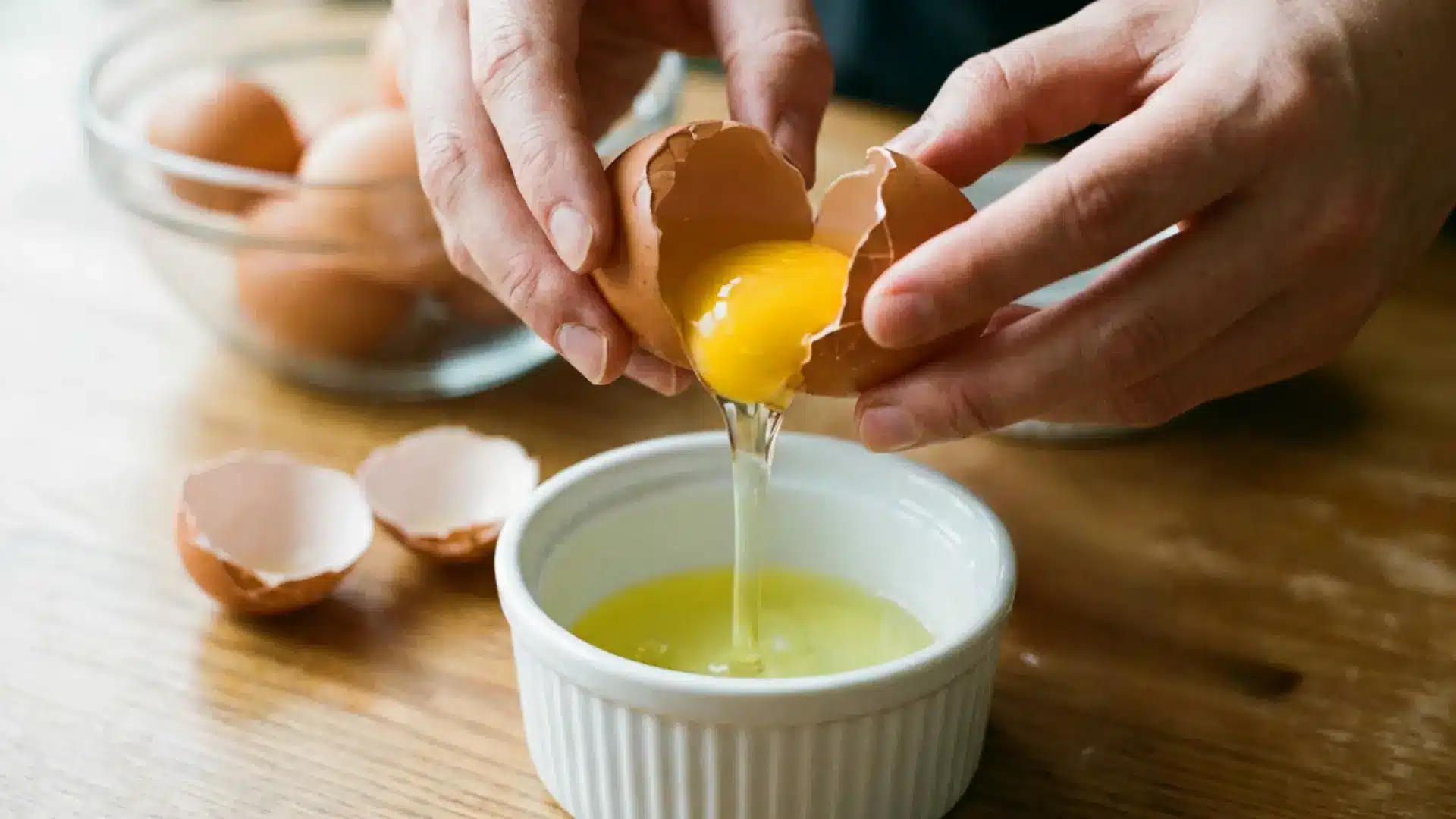

You separated the whites for a meringue or a batch of macarons. Now you have a bowl of yolks sitting in the fridge with nowhere to go.
Leftover egg yolks don’t have to go to waste.
They are the richest part of the egg, full of fat, flavor, and binding power that whites simply don’t have.
Use leftover egg yolks in custard, lemon curd, crème brûlée, hollandaise, carbonara, mayonnaise, pastry cream, or brioche.
Yolks keep in the fridge for up to 3 days covered with cold water, or freeze for up to 3 months with a pinch of salt or sugar mixed in.
Every recipe below uses between 2 and 6 yolks.
And knowing what to do with egg yolks opens up some of the best recipes in your kitchen. Less waste, more flavor, and a few dishes worth making on repeat.
Why You Should Never Waste Egg Yolks?
Egg yolks do things in cooking that nothing else can replicate.
They emulsify sauces, thicken custards, enrich pasta dough, and add a depth of flavor that transforms an ordinary dish into something worth making again.
Nutritionally, they carry most of the egg’s value.
A single yolk contains vitamins A, D, E, and B12, plus choline — a nutrient most diets run short on. But the real reason to save them is simpler: the fat in a yolk is what makes hollandaise glossy, lemon curd silky, and carbonara coat the pasta instead of sliding off it.
Throwing them out is genuinely wasteful.
What to do With Leftover Egg Yolks – 4 Quick Recipes
These four recipes use between 2 and 6 yolks each and come together with ingredients most kitchens already have.
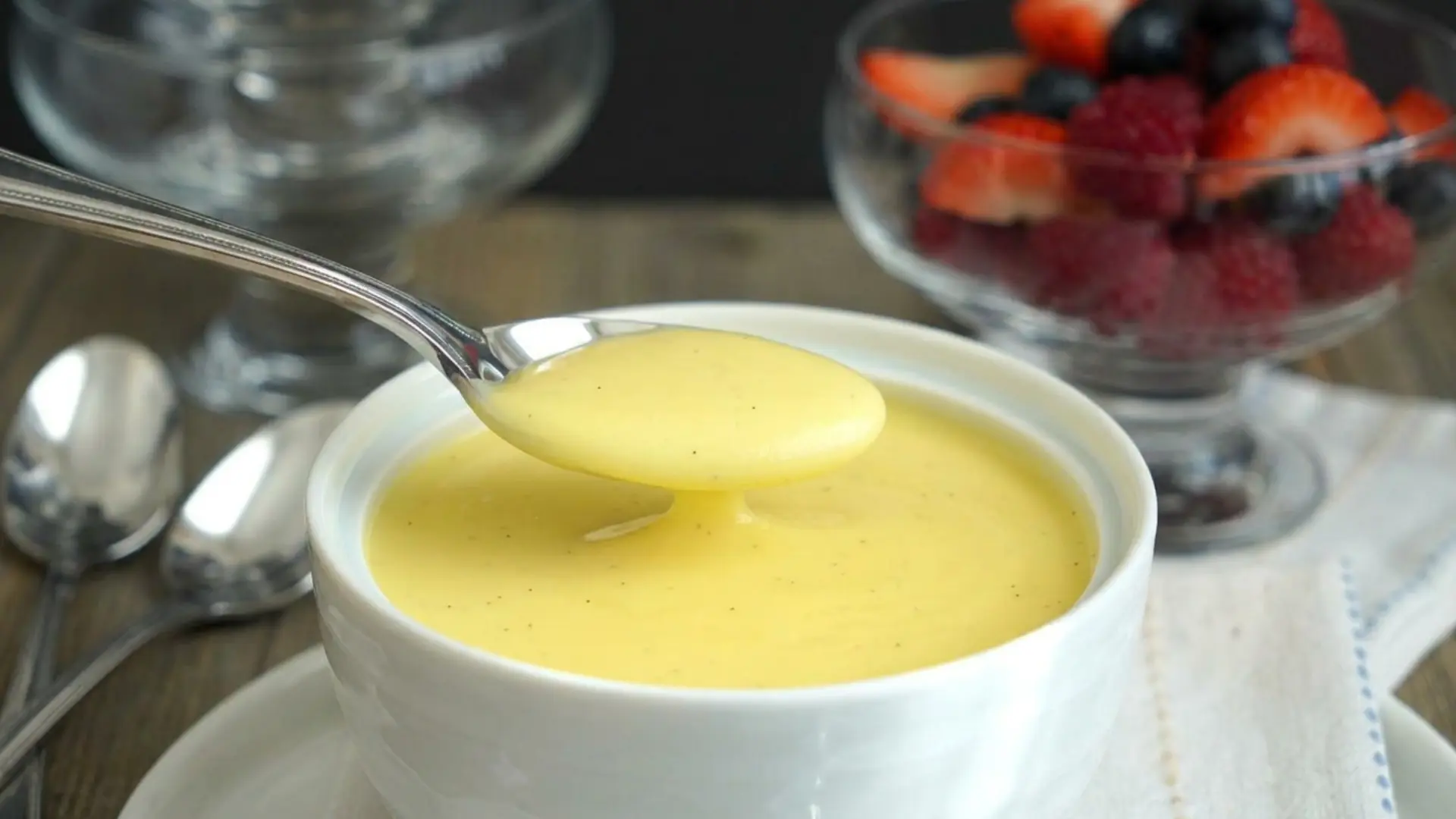
1. Basic Custard
Prep: 5 mins | Cook: 15 mins | Total: 20 mins | Serves: 4
Whisk 4 yolks with 3 tbsp sugar until pale. Heat 2 cups (480ml) whole milk to 150°F (65°C), pour it slowly into the yolk mix while whisking, then return to the pan.
Stir over low heat until it coats the back of a spoon at 170°F (77°C). Go higher, and it scrambles.
Note: For lactose intolerance, substitute whole milk with full-fat oat milk. The custard will be slightly thinner but still coats a spoon correctly at 170°F (77°C).
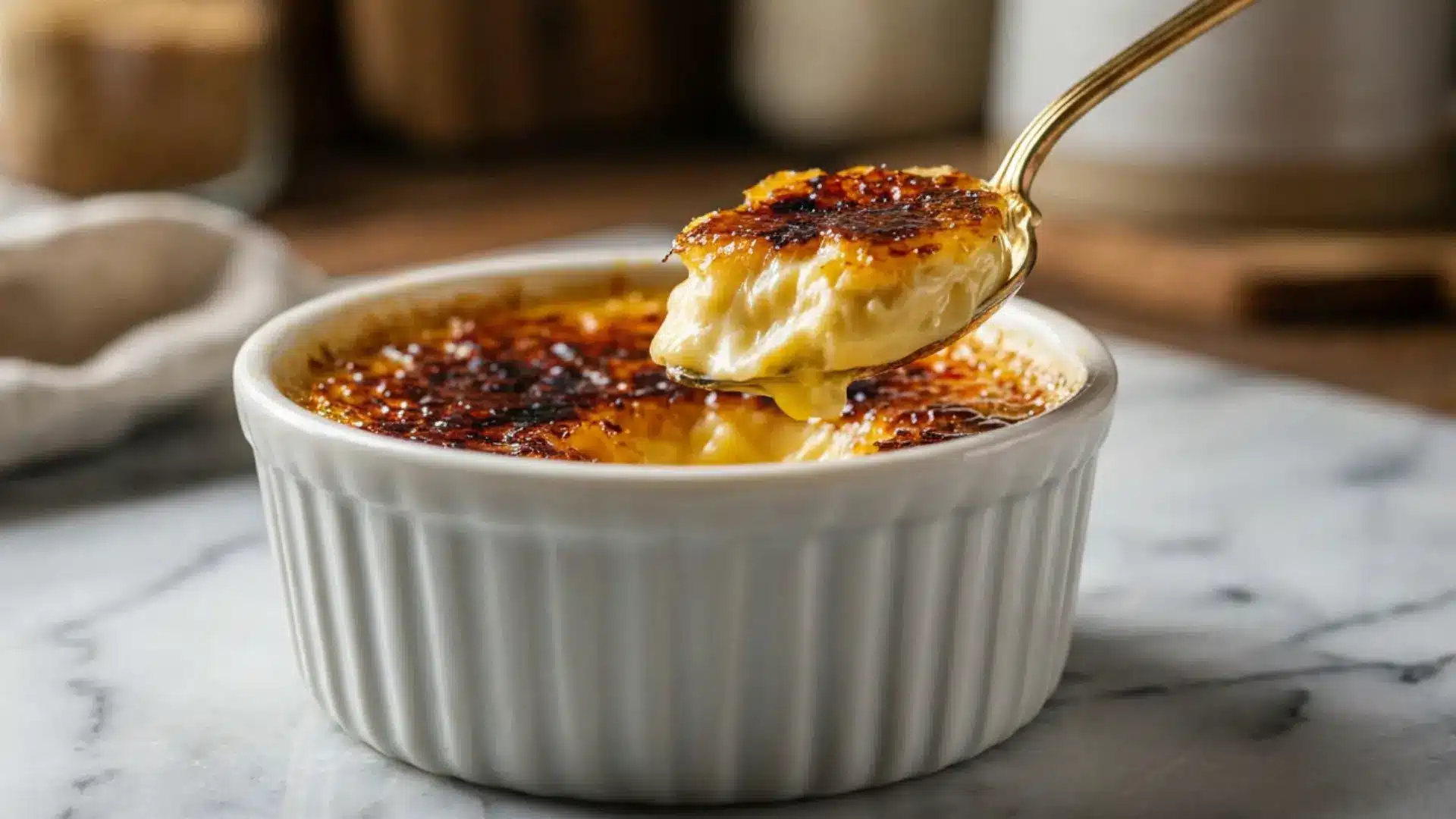
2. Crème Brûlée
Prep: 10 mins | Cook: 40 mins | Total: 2 hrs 50 mins | Serves: 4
Whisk 5 yolks with 3 tbsp sugar. Heat 2 cups (480ml) of heavy cream to 150°F (65°C), then pour it into the yolk mixture, strain it, and divide it into 4 ramekins.
Bake in a water bath at 325°F (163°C) for 35 to 40 minutes until the center wobbles slightly. Chill for 2 hours, sprinkle 1 tsp sugar over each, and torch until deep amber.
The wobble is the test. If the whole surface moves like water when you nudge the ramekin, it needs more time. If it barely moves at all, it is overbaked and will set firm rather than creamy after chilling.
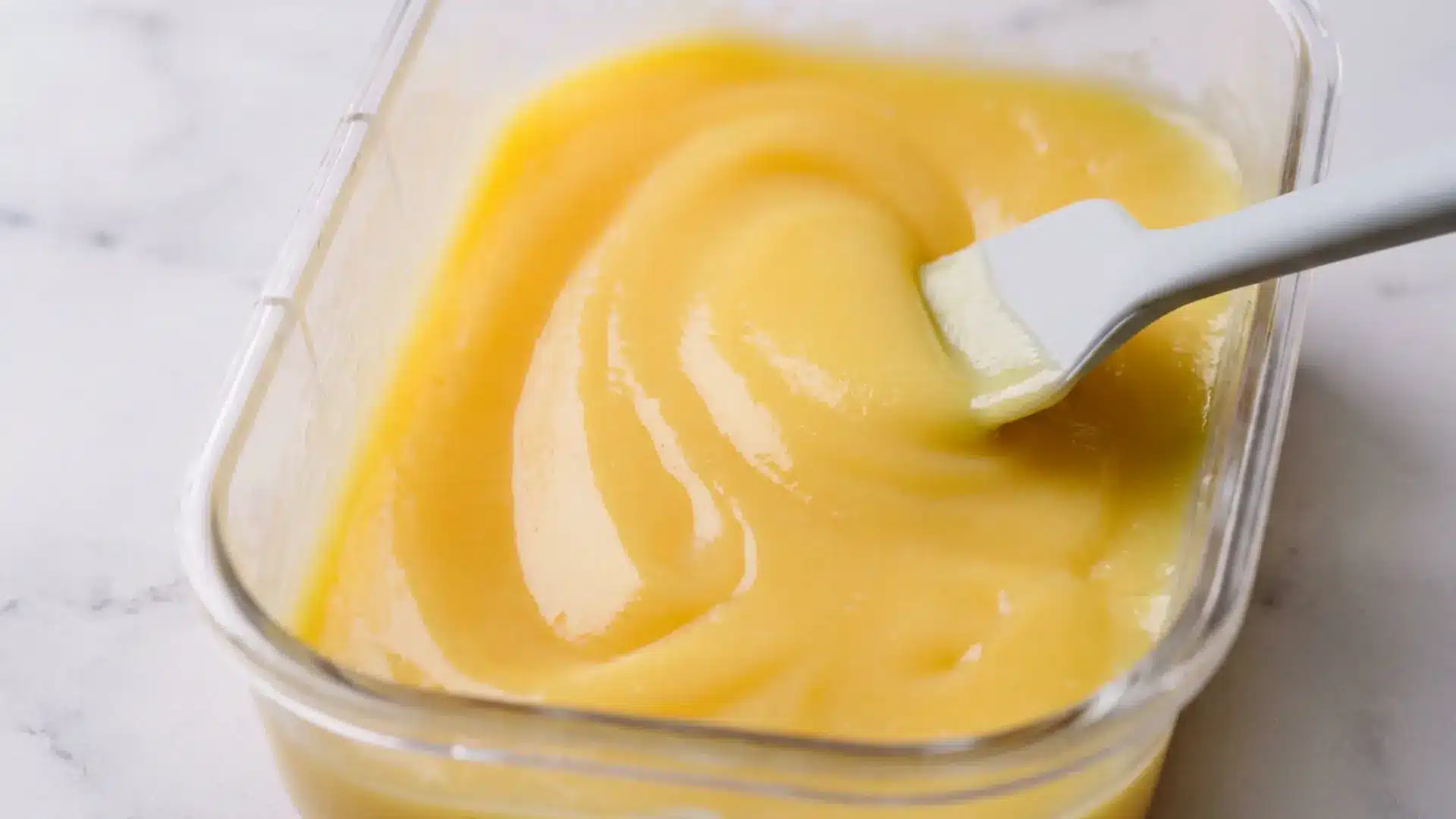
3. Lemon Curd
Prep: 5 mins | Cook: 20 mins | Total: 25 mins | Yield: 1 cup
You will need:
- 4 egg yolk
- ½ cup (100g) sugar
- ½ cup (120ml) fresh lemon juice
- 1 tsp lemon zest
- 4 tbsp (55g) unsalted butter, cut into small cubes
Whisk everything except the butter in a heatproof bowl over barely simmering water. Stir until it coats a spoon at 170°F (77°C), then whisk in the butter one piece at a time.
Press cling film onto the surface before refrigerating. Keeps for 2 weeks and works on toast, in tarts, or stirred into yogurt.
The difference between a bright lemon curd and a flat one is the zest. Juice gives acid; zest gives the sharp, aromatic top note that makes it taste like a lemon rather than just something sour.
4. Chocolate Mousse
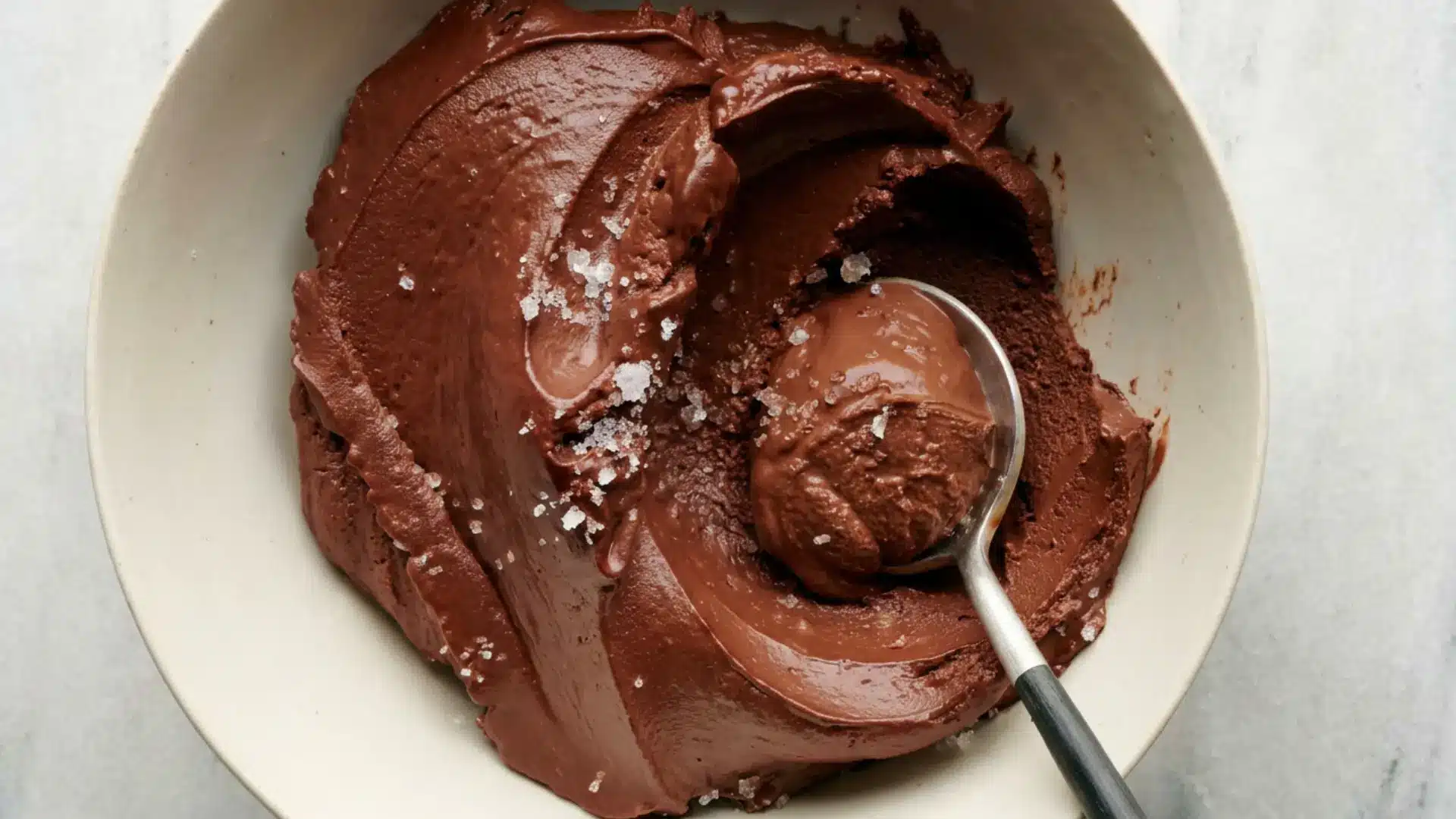
Prep: 15 mins | Total: 2 hrs 15 mins | Serves: 4
Melt 200g (7oz) dark chocolate (70% cocoa minimum) and cool to room temperature.
Whisk 3 yolks with 3 tbsp sugar until thick, fold in the chocolate, then fold in 1 cup (240ml) whipped cream to soft peaks in two additions.
Do not overmix once the cream goes in; it knocks the air out. Chill for 2 hours before serving.
Note: Use dairy-free dark chocolate and whip coconut cream in place of heavy cream for a fully dairy-free version. Chill the coconut cream tin overnight before whipping.
What to Make After a Meringue Batch?
You just used 6 whites for meringue. That leaves 6 yolks. Here is exactly where they go.
5. Vanilla Pastry Cream
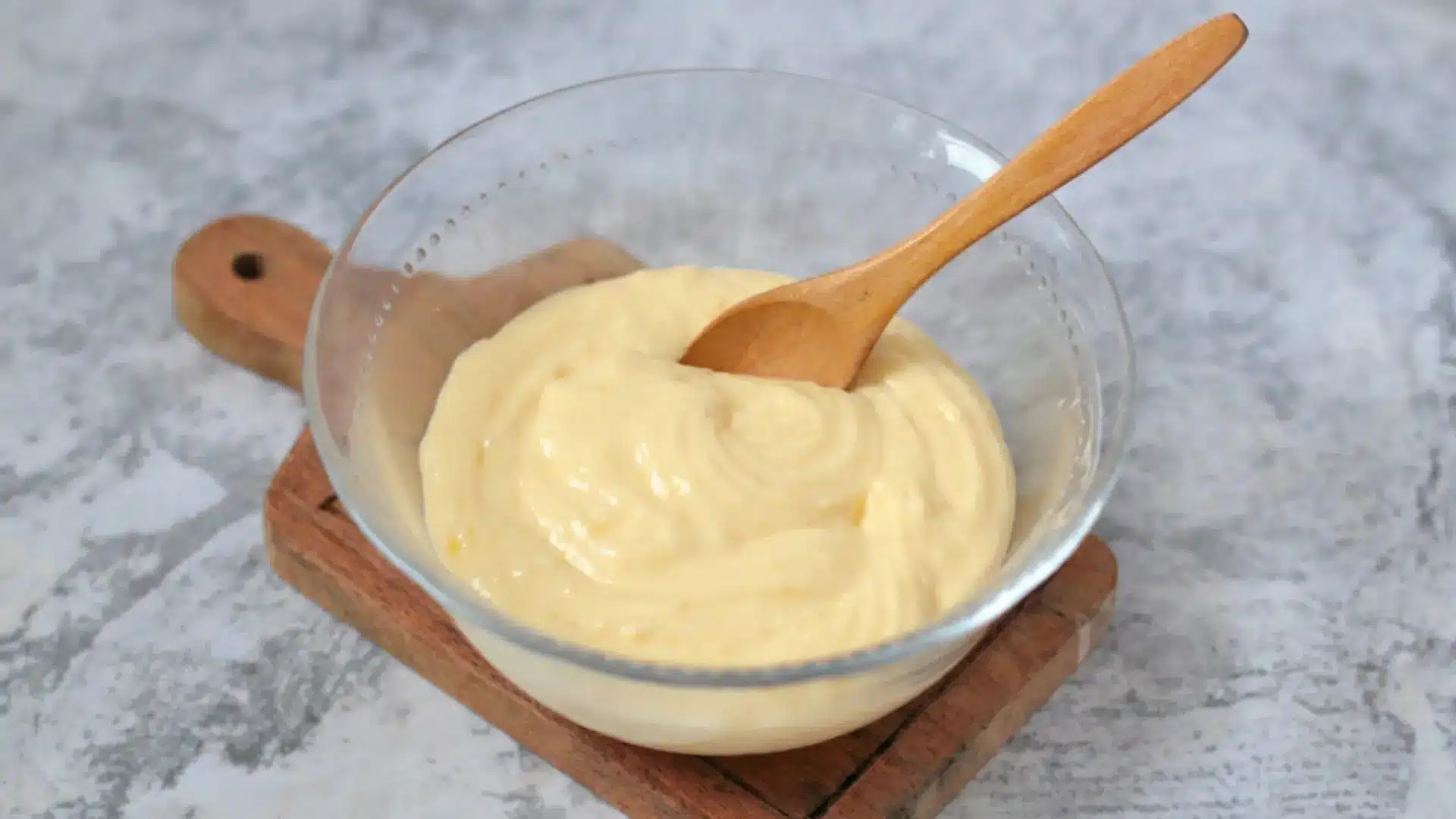
Prep: 5 mins | Cook: 10 mins | Total: 15 mins | Yield: 2 cups
Whisk 4 yolks with ½ cup (100g) sugar and 3 tbsp cornstarch until smooth. Heat 2 cups (480ml) whole milk to 150°F (65°C), then pour it slowly into the yolk mixture while whisking.
Return to the pan and stir over medium heat until thick and bubbling, about 2 minutes. Remove from the heat, add 2 tbsp butter and 1 tsp vanilla, and press cling film directly onto the surface.
Use it to fill eclairs, tarts, or layer cakes.
Combine the yolks with whole milk rather than low-fat; the fat content is what gives pastry cream its body and prevents it from turning watery after chilling.
Note: Full-fat oat milk or soy milk works as a substitute for whole milk. Avoid almond milk — the low fat content produces a pastry cream that turns watery after chilling.
6. Flan
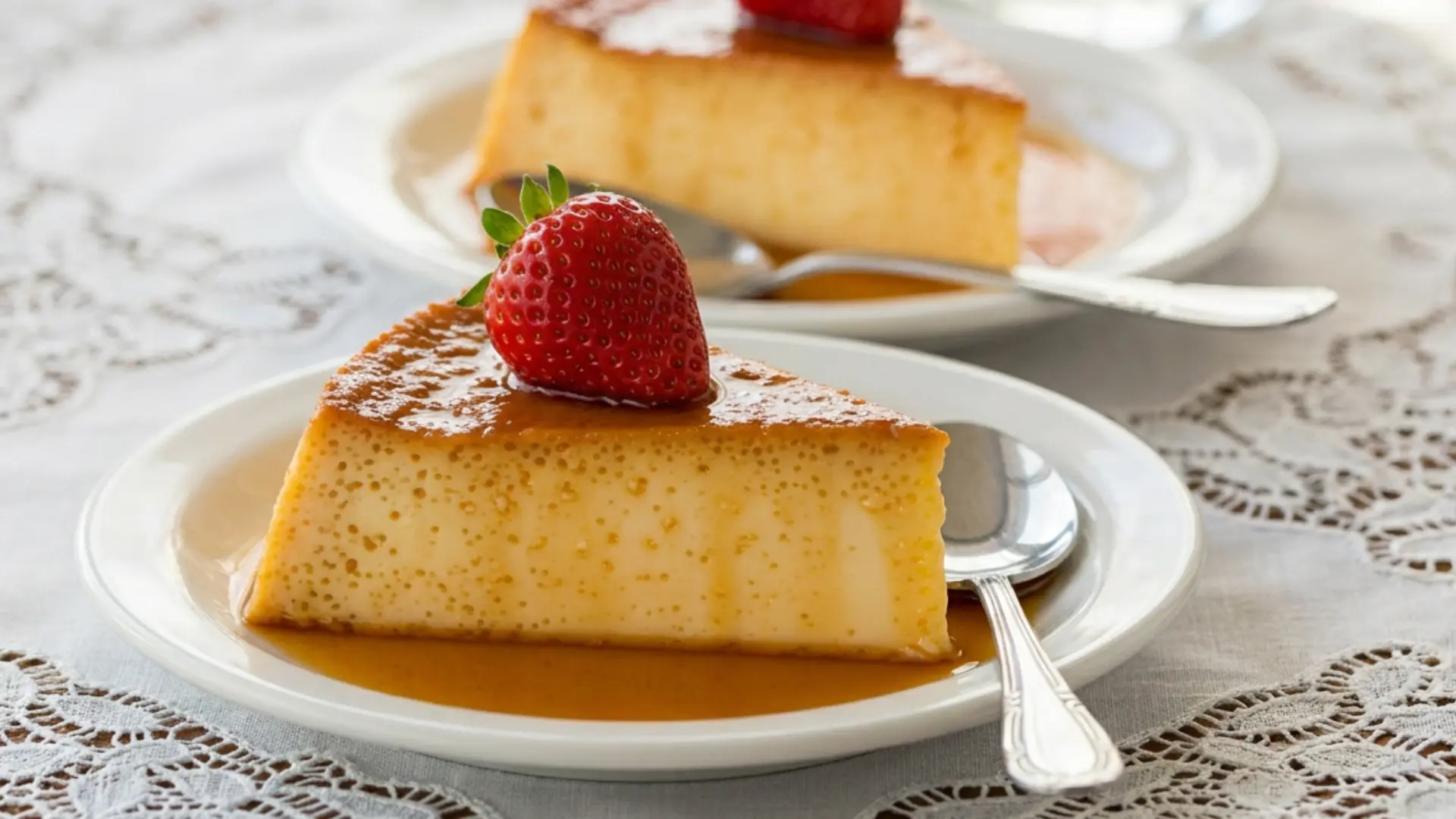
Prep: 15 mins | Cook: 55 mins | Total: 3 hrs 10 mins | Serves: 6
Whisk 5 yolks with 1 whole egg, ¾ cup (150g) sugar, 2 cups (480ml) whole milk, 1 cup (240ml) heavy cream, and 1 tsp vanilla.
Make a dry caramel with ½ cup (100g) sugar in a heavy pan over medium heat until deep amber, then pour into the base of a 9-inch (23cm) baking dish.
Pour the custard over the top and bake in a water bath at 325°F (163°C) for 50 to 55 minutes until just set with a slight wobble in the center. Cool completely before inverting.
Always combine yolks with both milk and cream for flan. Milk alone produces a custard that is too firm. Cream alone makes it too rich to set cleanly.
7. Pudding
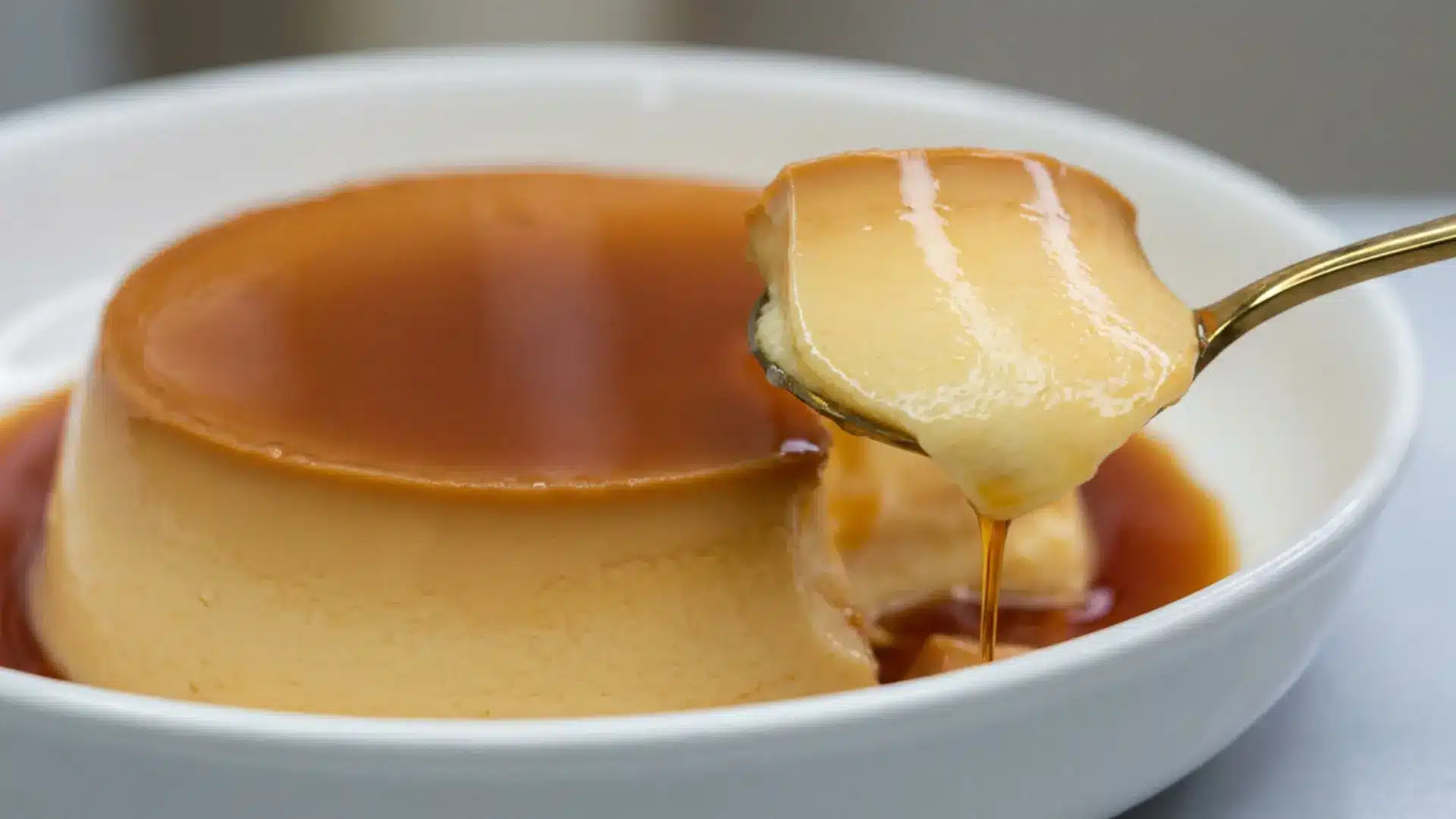
Prep: 5 mins | Cook: 10 mins | Total: 1 hr 15 mins | Serves: 4
Whisk 3 yolks with ⅓ cup (65g) sugar and 3 tbsp cornstarch. Heat 2 cups (480ml) of whole milk to 150°F (65°C), then slowly pour it into the yolk mixture.
Return to the pan and stir over medium heat until thick, about 3 to 4 minutes.
Remove from the heat, then stir in 2 tbsp butter and 1 tsp vanilla. Pour into serving glasses and chill for at least 1 hour before serving.
Savory Recipes That Need Yolks, Not Whites
Egg yolks are not just for desserts. In savory cooking, they add richness and body that butter and cream alone cannot replicate.
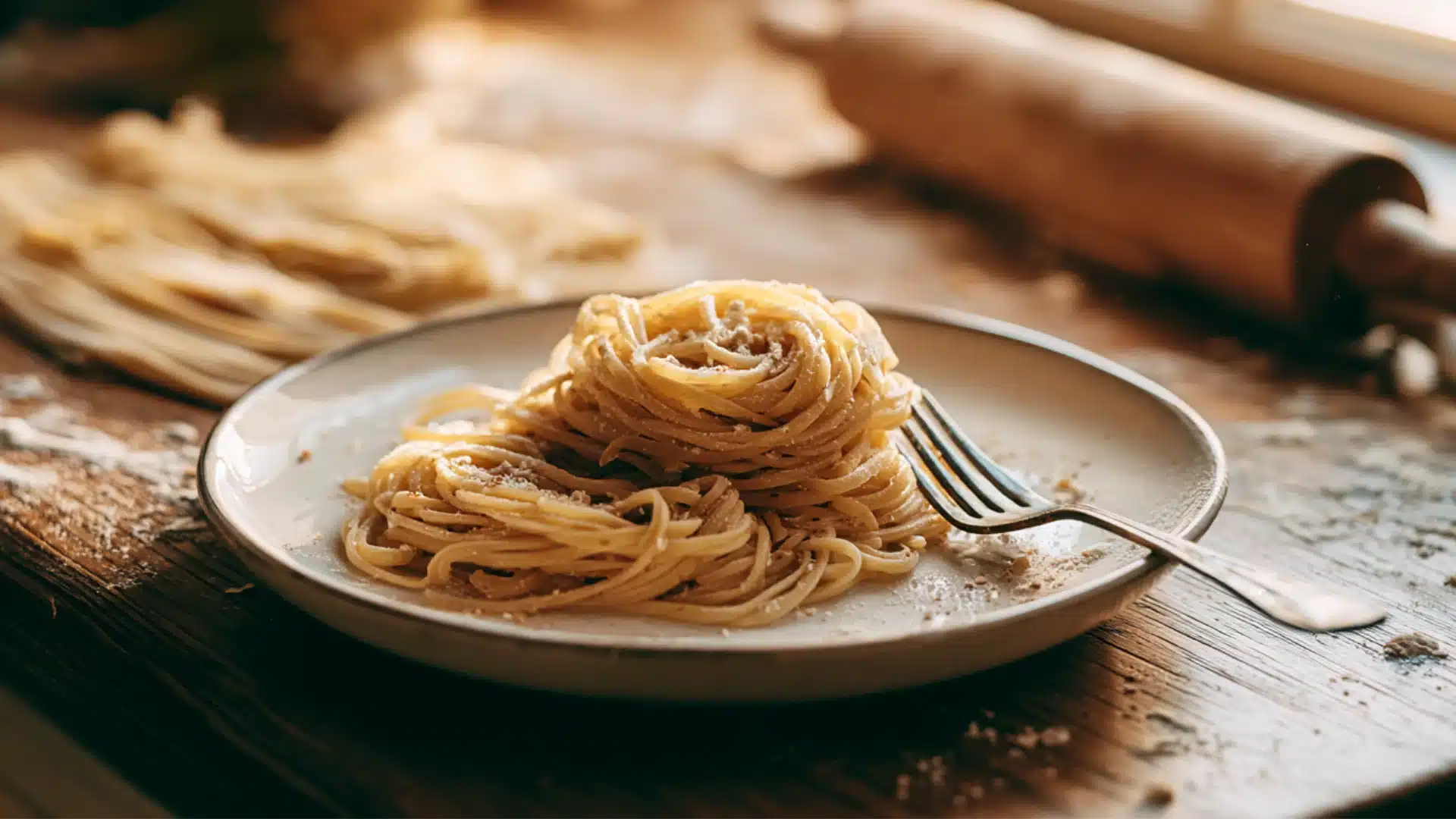
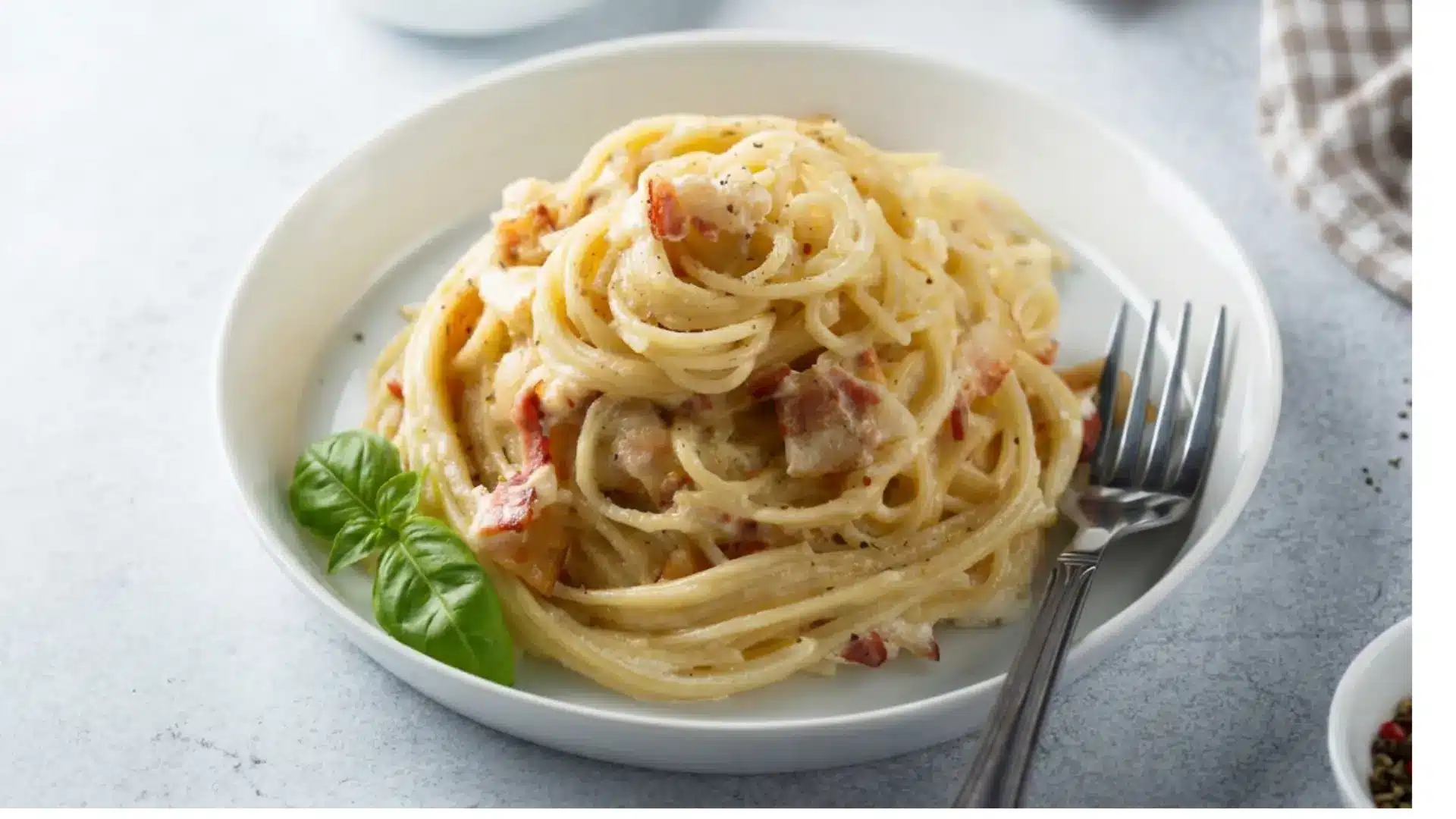
8. Classic Carbonara
Prep: 5 mins | Cook: 20 mins | Total: 25 mins | Serves: 4
Cook 400g (14oz) spaghetti until al dente, reserving 1 cup (240ml) of pasta water before draining. Whisk 4 yolks with 100g (3.5oz) finely grated Pecorino Romano and a generous amount of black pepper.
Fry 150g (5oz) guanciale or pancetta until crisp, then remove the pan from the heat.
Toss the hot pasta into the pan, add the yolk mixture, and loosen with a splash of pasta water, a tablespoon at a time, until glossy and coating every strand.
The residual heat cooks the yolks. Never put this back on a direct flame, or the eggs will scramble. Use multiple yolks here rather than whole eggs for a richer, more coating sauce. Four yolks for 400g pasta is the right ratio.
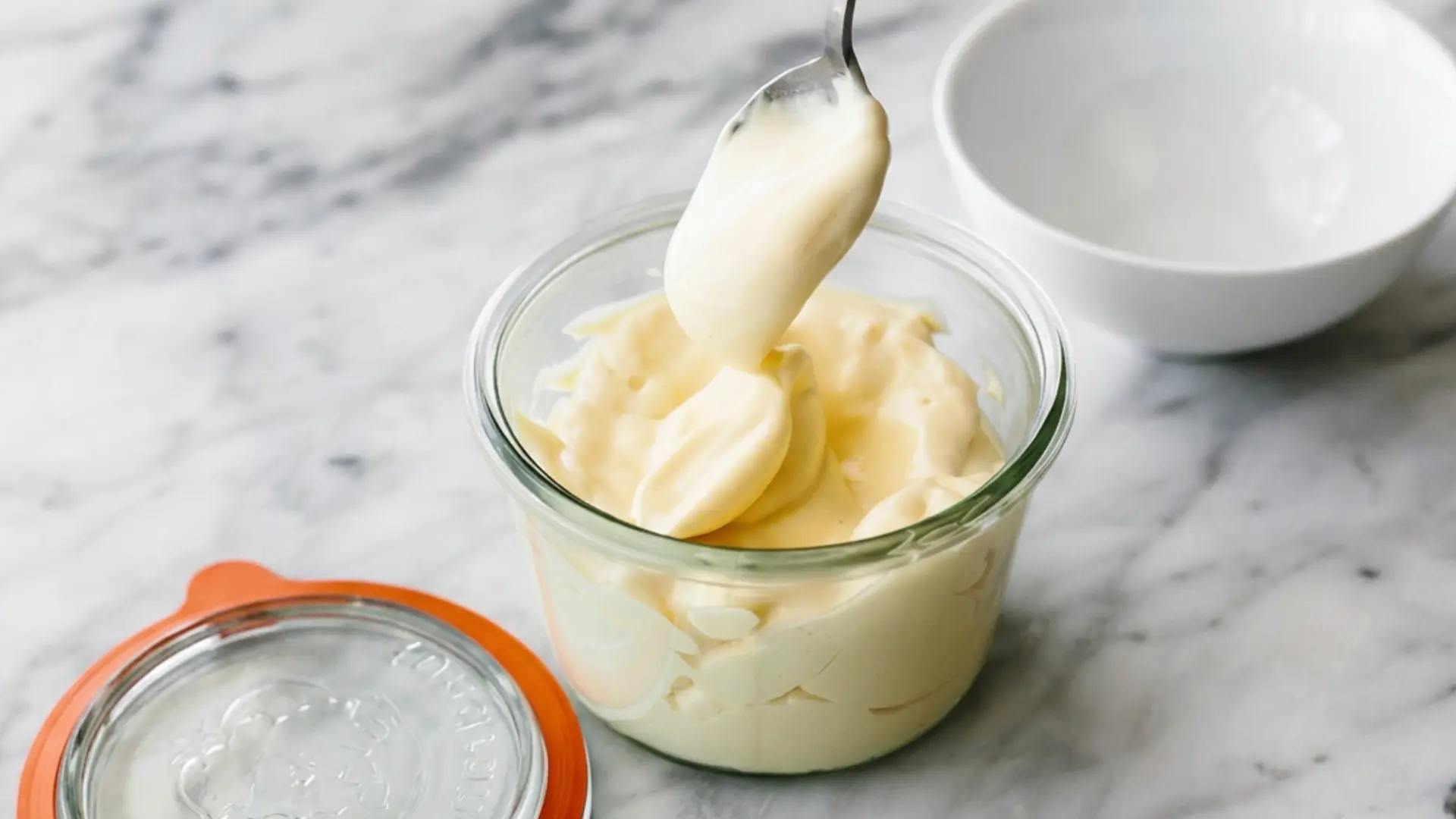
9. Homemade Mayonnaise or Aioli
Prep: 10 mins | Cook: 0 mins | Total: 10 mins | Yield: 1 cup
Note: Contains raw egg yolks. Not suitable for pregnant women, the elderly, or anyone immunocompromised unless made with pasteurised eggs.
Place 2 yolks, 1 tsp Dijon mustard, 1 tbsp lemon juice, and a pinch of salt into a bowl.
Whisk together, then add 1 cup (240ml) neutral oil in the slowest possible stream while whisking constantly.
The emulsification happens in the first few tablespoons; rush that part, and it will split. For aioli, swap neutral oil for light olive oil and add 2 cloves of garlic, crushed to a paste with salt.
You can use this homemade mayonnaise to make my at home big mac sauce.
Balance the richness with acid. A squeeze of lemon or a small splash of white wine vinegar at the end cuts through the fat and lifts the flavor.
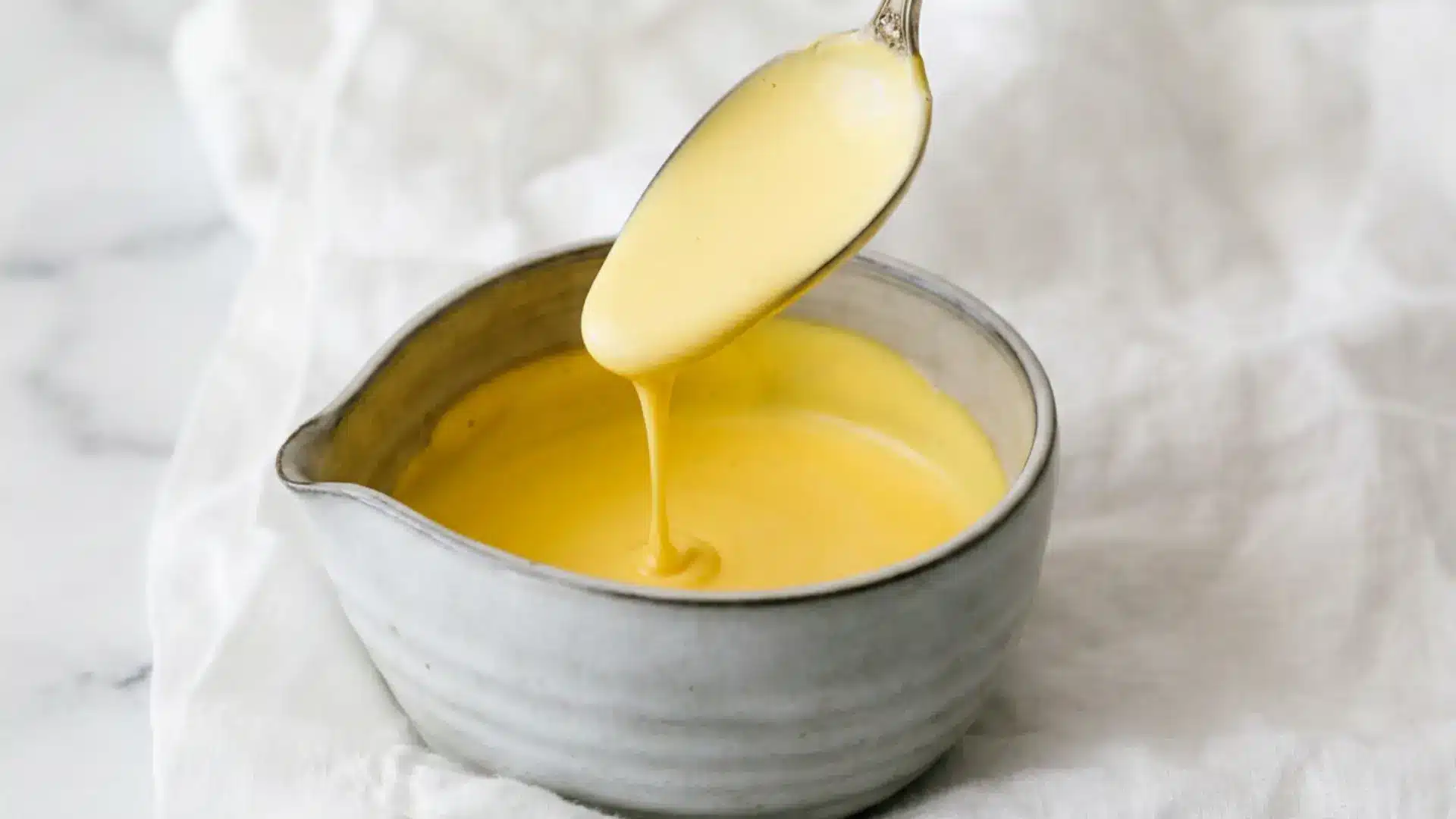
10. Hollandaise Sauce
Prep: 5 mins | Cook: 15 mins | Total: 20 mins | Yield: ¾ cup
Whisk 3 yolks with 1 tbsp cold water and 1 tsp lemon juice in a heatproof bowl.
Set over barely simmering water and whisk until the mixture is pale, thick, and holds a ribbon, around 140°F (60°C). Remove from heat and slowly whisk in 150g (5oz) clarified butter, warm but not hot.
Season with salt, a pinch of cayenne, and more lemon juice to taste. Serve immediately; hollandaise does not hold well and should be made fresh.
Slice the flavoring carefully here. Too much lemon early on, and the yolks curdle before they thicken. Add acid gradually and taste as you go.
Baking and Dessert Ideas for Leftover Egg Yolks
Extra yolks in baking add color, richness, and a more tender crumb.
Swap one whole egg for two yolks in almost any cake or bread recipe, and the difference is immediate.
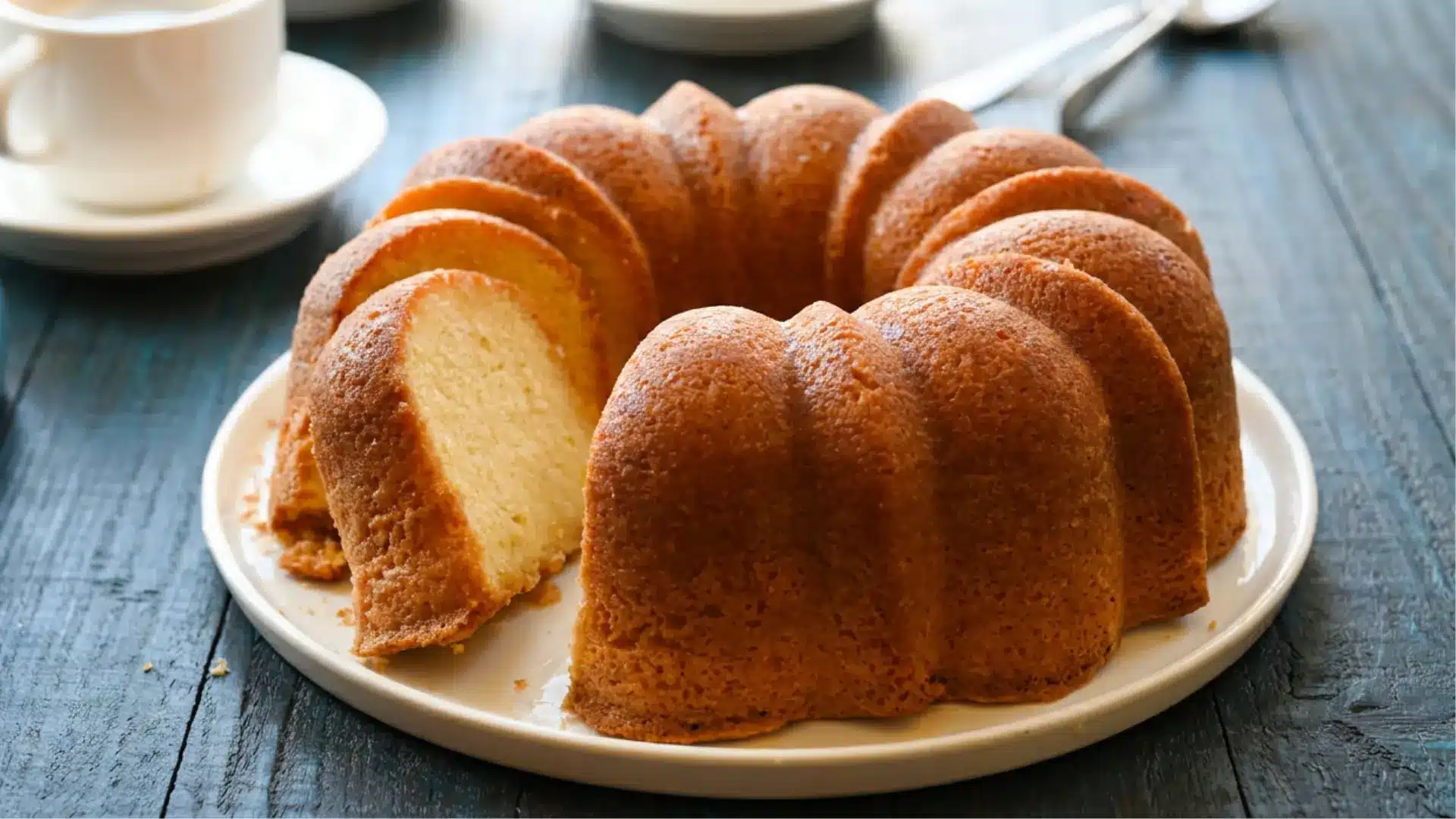
11. Pound Cake With Extra Richness
Prep: 15 mins | Cook: 60 mins | Total: 1 hr 15 mins | Serves: 8
Use 4 yolks in place of 2 whole eggs in a standard pound cake recipe, along with 1 cup (225g) butter, 1 cup (200g) sugar, 1½ cups (190g) plain flour, 1 tsp baking powder, and ½ cup (120ml) whole milk.
The yolks deepen the color to a rich golden yellow and produce a denser, more buttery crumb.
Bake at 350°F (175°C) for 55 to 60 minutes.
Use multiple yolks in pound cake rather than whole eggs whenever you want more richness without adding extra liquid from the whites.
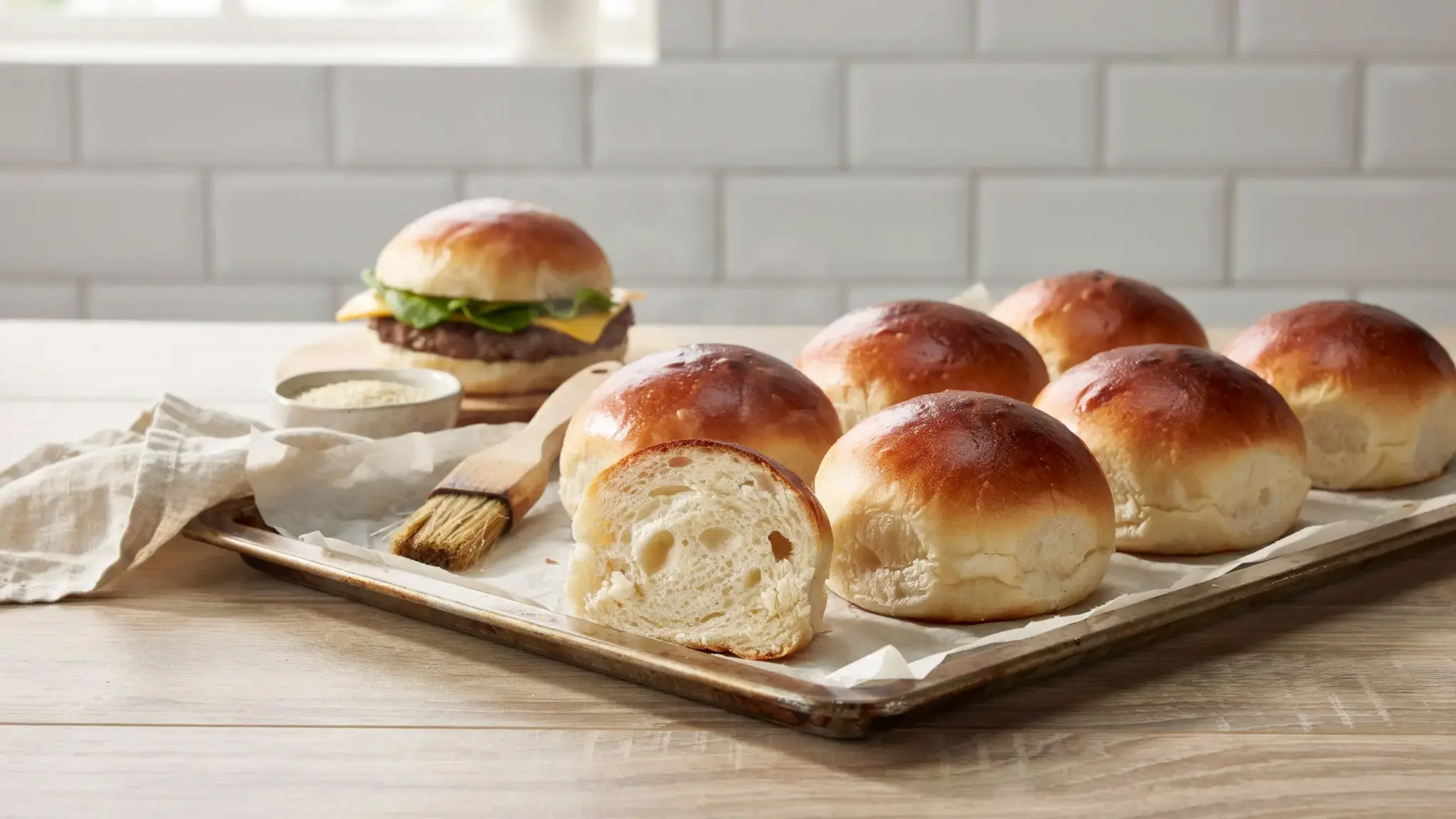
12. Brioche or Sweet Bread
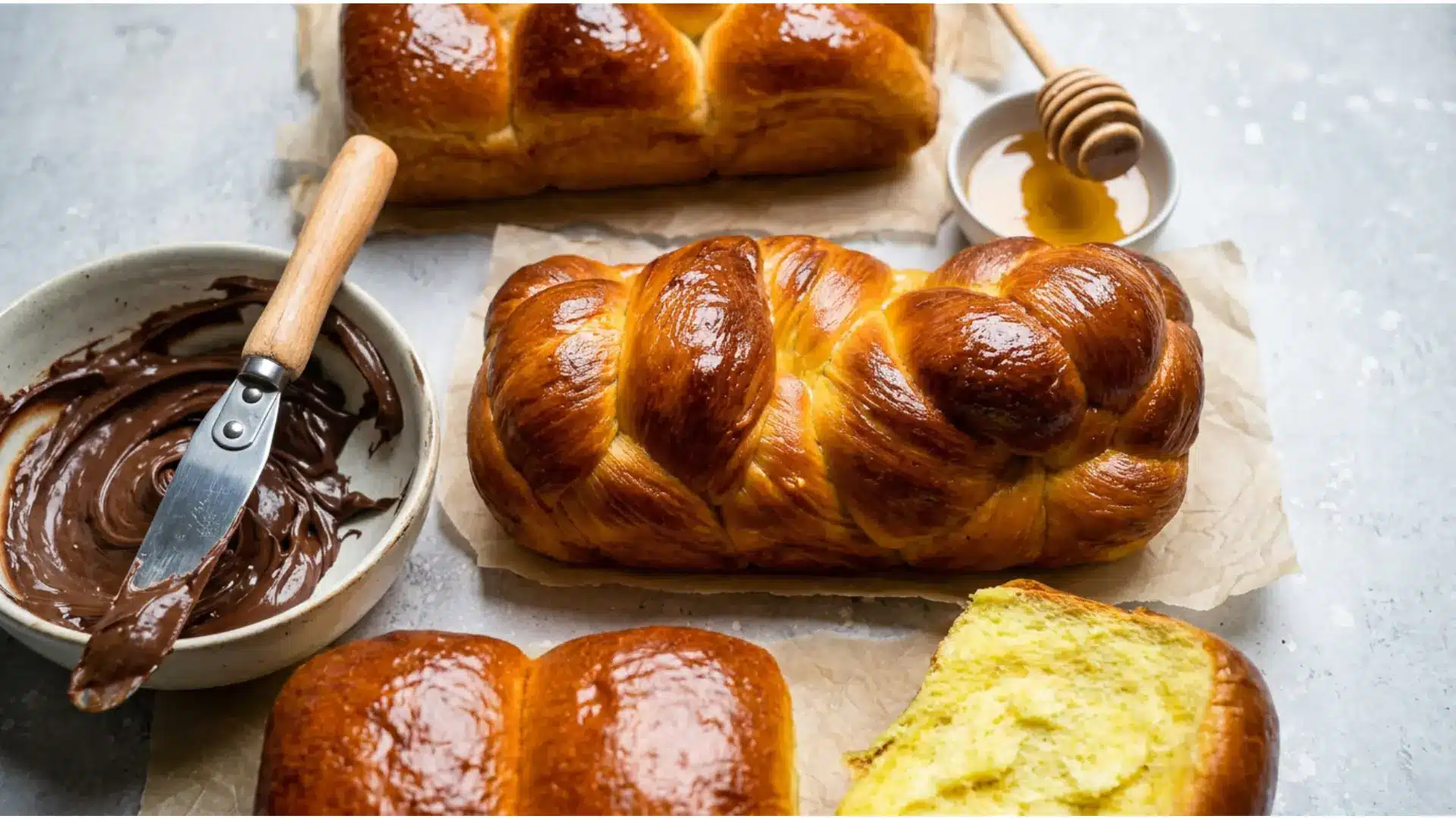
Prep: 20 mins | Cook: 30 mins | Total: 9 hrs | Serves: 8
A classic brioche uses 4 to 6 yolks per 500g (17.5oz) of flour, along with 250g (9oz) of butter, 50g (1.75oz) of sugar, 7g (2 tsp) of instant yeast, 1 tsp of salt, and 100ml (3.5fl oz) of warm whole milk.
The yolks give brioche its signature golden color and soft, pillowy texture.
Mix and knead until smooth, then let it cold-prove in the fridge overnight for the best flavor and structure.
Combine yolks with whole milk in enriched doughs. The fats in both work together to keep the crumb tender and slow the staling process.
13. Tart Fillings
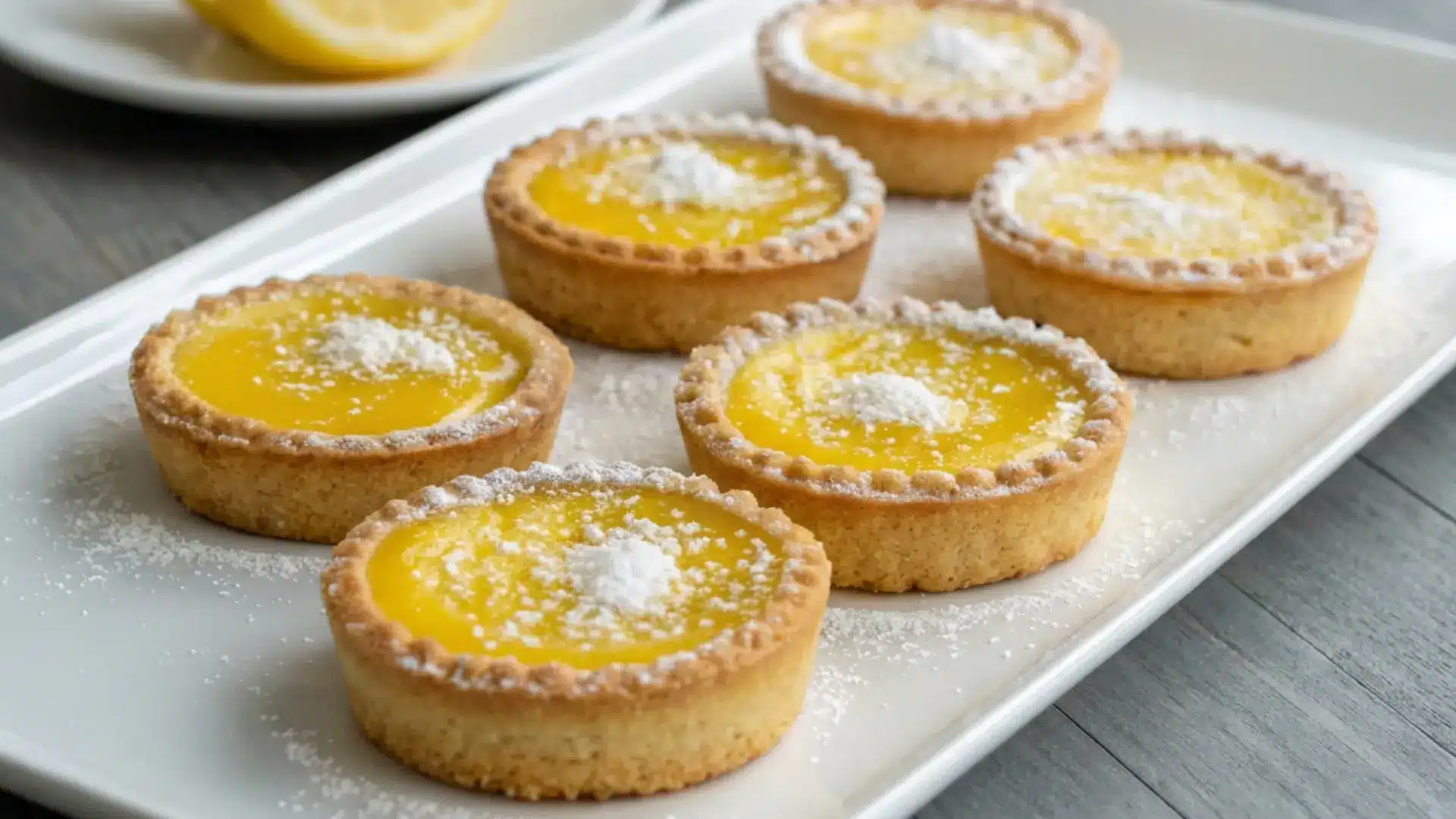
Prep: 10 mins | Cook: 30 mins | Total: 40 mins | Serves: 6
For a custard tart filling, whisk 4 yolks with ½ cup (100g) sugar, 1 cup (240ml) heavy cream, ½ cup (120ml) whole milk, and 1 tsp vanilla.
Pour into a blind-baked tart shell and bake at 300°F (150°C) for 25 to 30 minutes until just set with a slight wobble.
For the lemon tart, use the lemon curd recipe from the section above and pour it directly into a cooled tart shell without baking further.
For tart fillings, always use a mix of cream and milk rather than one or the other. Cream alone sets too firm. Milk alone produces a filling that weeps after slicing.
Not All Recipes Handle Frozen Yolks the Same Way
Frozen-and-thawed yolks work well in some recipes and poorly in others.
The texture change after freezing is subtle but it matters depending on how the yolk is used.
- Works well: Custard, pastry cream, pudding, tart fillings, pound cake, and brioche. These recipes cook the yolk fully and the texture change is undetectable in the finished dish.
- Use fresh if possible: Hollandaise and mayonnaise. Both rely on the yolk’s raw emulsifying power. A thawed yolk can still work, but the emulsification is less stable and more likely to split if the temperature drifts even slightly.
- Avoid frozen: Carbonara. The sauce depends on a very specific yolk consistency to coat the pasta without scrambling. Thawed yolks behave unpredictably under residual heat and the margin for error is much smaller.
How Long do Egg Yolks Last and How to Store Them
Leftover yolks dry out fast and go bad within hours if left uncovered. In the fridge, they last up to 3 days when stored correctly.
In the freezer for up to 3 months, but only if you prep them properly before freezing; otherwise, they turn gummy when thawed.
- Refrigerate in an airtight container, covered with a thin layer of cold water, to prevent the skin from forming. Drain before using.
- Freeze with ⅛ tsp sugar per yolk for sweet recipes, or ⅛ tsp salt per yolk for savory ones.
- Thaw overnight in the fridge. Never at room temperature — yolks left out over 2 hours cross the food safety danger zone of 40°F (4°C).
- Use immediately after thawing and do not refreeze.
Bottom Line
Leftover egg yolks are too useful to throw away.
From silky custards and lemon curd to carbonara, hollandaise, and brioche, these recipes give every spare yolk somewhere to go.
Pick one this week. You now have the temperatures, the ratios, and the storage window to work with them confidently every time.
Frequently Asked Questions
1. How Many Egg Yolks Can You Use in one Sitting?
You can use anywhere from 2 to 6 yolks in a single recipe depending on what you are making.
2. Can You Add Egg Yolks to Store Bought Ice Cream Base?
Yes, whisking yolks into a warm store-bought base before churning makes it noticeably richer and creamier.
3. Do Egg Yolks Change the Color of Baked Goods?
Yes, extra yolks deepen the crumb to a rich golden yellow in cakes, breads, and pastries.
4. Can You Use Leftover Egg Yolks in Salad Dressing?
Yes, one yolk whisked into a vinaigrette emulsifies it and gives the dressing a silkier, more coating texture.
5. Is it Safe to Eat Dishes Made With Partially Cooked Yolks?
Most yolk-based sauces like hollandaise reach 140°F (60°C), which is considered safe for most healthy adults.