

Your nail technician soaks your fingers, pushes back your cuticles, and calls it done.
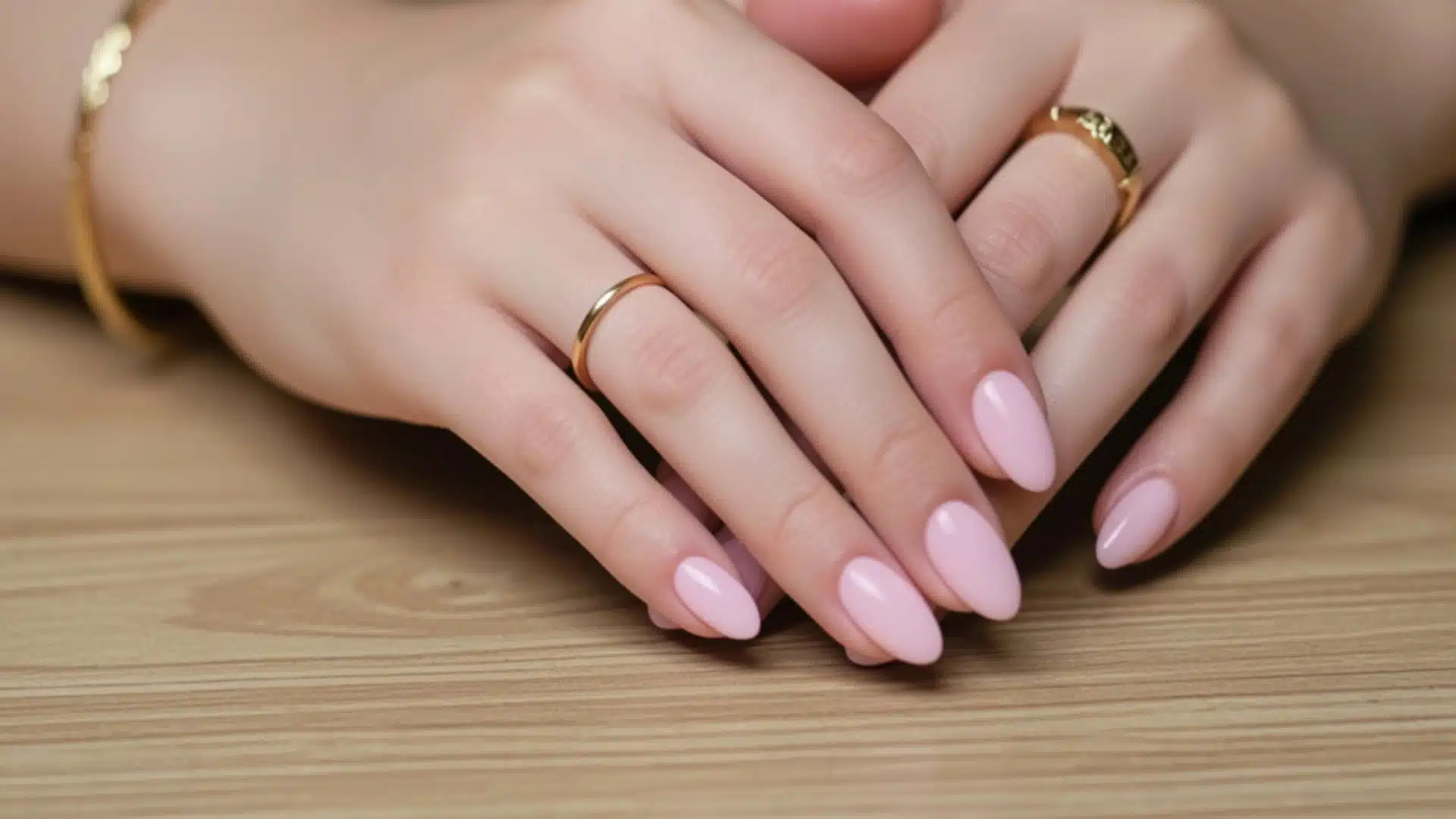
But that other person across the salon has their nails looking sharper. Cleaner. Like the polish grew straight out of the skin.
That’s a Russian manicure, and the difference is bigger than you think.
A Russian manicure is a dry manicure technique. It uses an electric file, not water, to precisely remove dead skin around the nail bed. The gel then bonds directly to the clean, dry nail plate, which is why the finish holds up for weeks instead of days.
What is a Russian Manicure?
A Russian manicure is a dry nail technique. It uses an electric file, called an e-file, to remove dead skin and cuticle tissue around the nail bed.
The gel then bonds directly to a clean, dry nail plate, lasting for up to 6 weeks.
The technique started in Eastern Europe and reached US and UK salons over the last decade. It’s built on one idea: precision over speed.
A standard manicure works around your cuticles. A Russian manicure removes exactly what needs to go, nothing more.
How is a Russian Manicure Performed?
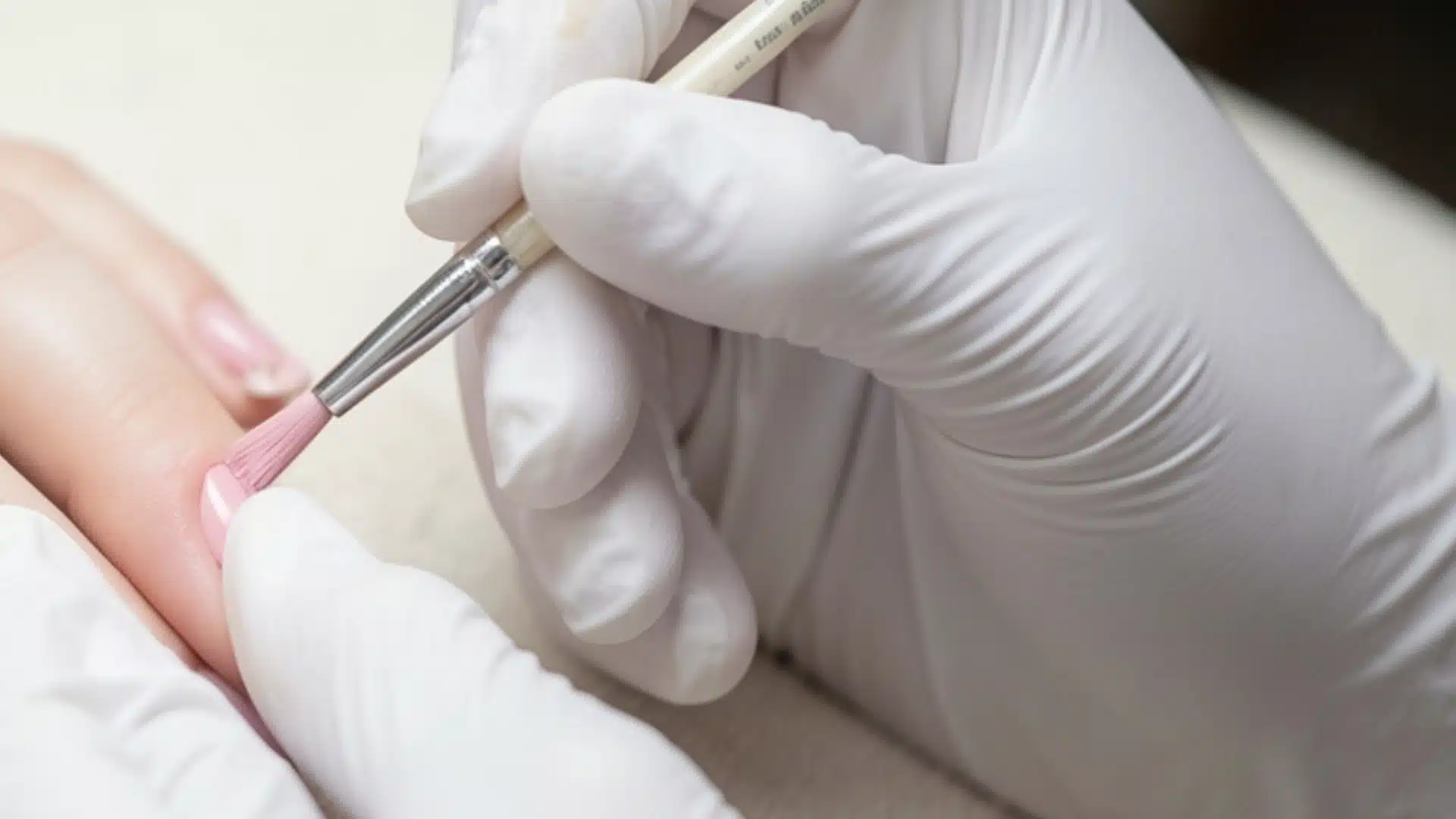
Russian nails don’t happen by accident. The process is more detailed than a standard gel appointment, and that’s exactly why the results last longer.
Total appointment time: 90-120 minutes
Tools a Technician Uses
- Electric file (e-file) with carbide and diamond drill bits
- Dry cuticle remover product
- Gel base, color, and top coat
- Nail brush for debris removal
- UV/LED lamp
The Step-by-Step Process
Step1: Soften the cuticle area: A dry cuticle remover is applied around the nail bed. This loosens dead skin without any soaking.
Step2: File and clean with the e-file: The technician uses the electric file to remove dead skin, cuticle tissue, and surface debris.
This step requires a steady hand and proper training; drill speed typically ranges from 10,000 to 20,000 RPM, depending on the bit used.
Step3: Shape and buff the nail plate: The nail is shaped, and the surface is lightly buffed. This creates a clean base for the gel to grip.
Step4: Apply gel in thin layers: Base coat, color, and top coat go on in thin, precise layers. Each layer cures under a UV or LED lamp for 30-60 seconds.
Russian Manicure vs Traditional Manicure
| Russian Manicure | Traditional Manicure | |
|---|---|---|
| Technique | Fully dry, no water bowl | Wet process, fingers soak first |
| Tools | Electric file with specialist drill bits | Clippers, orange stick, cuticle pusher |
| Cuticle Handling | Dead skin removed precisely with e-file | Cuticles pushed back or trimmed |
| Gel Adhesion | Bonds directly to clean, dry nail plate | Sits on a standard prepped surface |
| Longevity | 4–6 weeks | 2–3 weeks |
| Cost (US) | $60–$120 | $30–$55 |
| Cost (UK) | £50–£90 | £25–£45 |
| Time | 90–120 minutes | 45–60 minutes |
| Skill Required | Specialist e-file certification | Standard nail technician training |
Russian manicures run $60–$120 in the US and £50–£90 in the UK. Traditional manicures run $30–$55 in the US and £25–£45 in the UK. The gap isn’t padding — it covers the technician’s specialist e-file certification and the extra 45–75 minutes the process takes.
Why the Price is Higher, and What You’re Paying For
A Russian manicure takes close to twice as long as a standard one, and that extra 45 to 75 minutes goes entirely into the e-file work a traditional manicure skips.
The technician performing it also needs specialist e-file certification beyond standard nail training, which most traditional manicurists never complete.
You’re paying for that certification and the extra chair time, not for a fancier version of the same service.
If a salon charges Russian manicure prices but the appointment runs the same 45 to 60 minutes as a standard one, that’s a sign the full e-file process likely isn’t happening.
Risks and Safety Concerns You Need to Know
A Russian manicure can look great. But the e-file that creates that clean finish can also cause damage if the person holding it doesn’t know what they’re doing.
What No One Tells You About E-File Risks:
- Burns: Moving the file too fast or pressing too hard causes friction burns on the skin around your nail.
- Thin nails: Filing too deep removes layers from your nail plate. Your nails end up weak, bendy, and easy to break.
- Infection: There are two types of skin near your nail — the dead cuticle skin, and the living skin underneath it. Cut into the living skin, and bacteria can get in.
You Should Skip it if:
- Your nails are already thin or damaged.
- You have eczema, psoriasis, or sensitive skin around your nails.
- You have any cuts or infections near your nail bed.
Are Russian Manicures Safe?
Yes, but the e-file and dry process are completely safe when performed by a trained technician.
The problem is skill level.
An undertrained technician can cause burns, nail thinning, and infection in a single session. Always check that your technician holds a valid e-file certification.
In the US, look for state board licensing.
In the UK, look for a VTCT or NVQ Level 3 qualification. The right person makes all the difference.
Caring for Your Nails Between Fills
A Russian manicure holds up for weeks, but only if you treat the gap between appointments right.
Apply cuticle oil daily, even though there’s no cuticle left to soften — it keeps the skin around the nail from drying out and cracking, which is where the e-file did its work.
Skip acetone-based hand sanitizers where you can; they dry out the gel edges faster than regular soap and water.
As the nail grows, you’ll see a small gap open up between the cuticle and the gel line. That’s normal regrowth, not lifting.
Lifting looks different: the gel separates from the nail plate itself, usually starting at the tip, and that’s a sign to get it fixed rather than wait it out.
Book Smart, Not Blind
Russian nails deliver results that a standard manicure simply can’t match.
A cuticle line that actually looks done.
But the technique is only as good as the person performing it. Ask the right questions before you sit down. Check the certification. Trust your gut if something feels off.
You now know what a russian manicure is, what to look for, and when to move out.
Frequently Asked Questions
1. What is the Healthiest Manicure for Your Nails?
A basic buffed manicure with no gel or polish causes the least nail damage.
2. Does a Russian Manicure Damage Your Nails?
No, if done correctly. The risk comes from untrained technicians over-filing the nail plate or cutting into living skin.
3. Is a Russian Manicure Safe?
Yes, when performed by a trained and certified technician.