

Nails look great for two days. Then chips show up, or cuticles feel wrecked. Nobody wants that after paying full price.
Choosing between a Russian manicure and a gel manicure feels confusing when every salon pushes its own favorite.
A Russian manicure focuses on the natural nail and cuticle, using an e-file instead of polish.
A gel manicure builds a hard, glossy color layer that lasts for weeks. Neither one is better for everyone.
Here’s what each one actually does to your nails.
Russian Manicure Focuses on the Cuticle, Not Polish
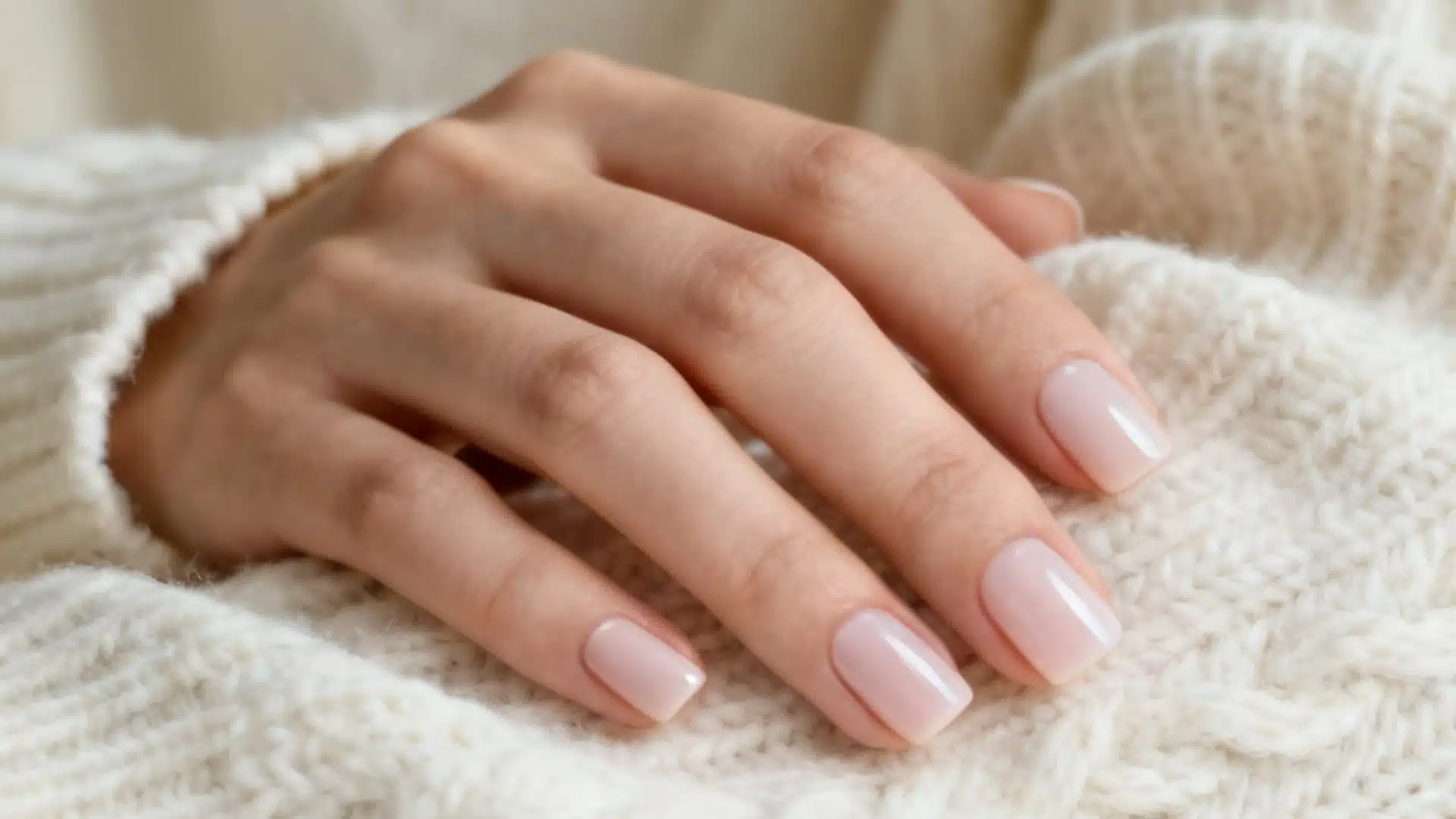
A russian manicure is a nail technique built around precision cuticle work, not soaking. It uses an e-file to clean the nail bed, leaving nails looking sharp even without polish.
The Technique: It uses no soak, no clippers. A trained technician uses an e-file to remove dead skin and lift the cuticle away from the nail plate.
This step alone can take 20 to 30 minutes per hand.
The Cuticle Work is the Real Point
Removing dead skin lets the polish sit flush against the nail, reducing lifting at the edges.
Technicians trained in this method often complete 40+ hours of certification, since an untrained hand can damage the nail bed.
If done right, nails look clean and finished even without any color on them.
Who Does it Suit?
People with rough or overgrown cuticles, those who want bare nails to look polished, and those with time for a longer appointment.
It suits fewer people who want a fast appointment or an inexperienced technician. In untrained hands, the e-file can nick skin or thin the nail plate.
Gel Manicure Builds a Hard, Glossy Shell Instead
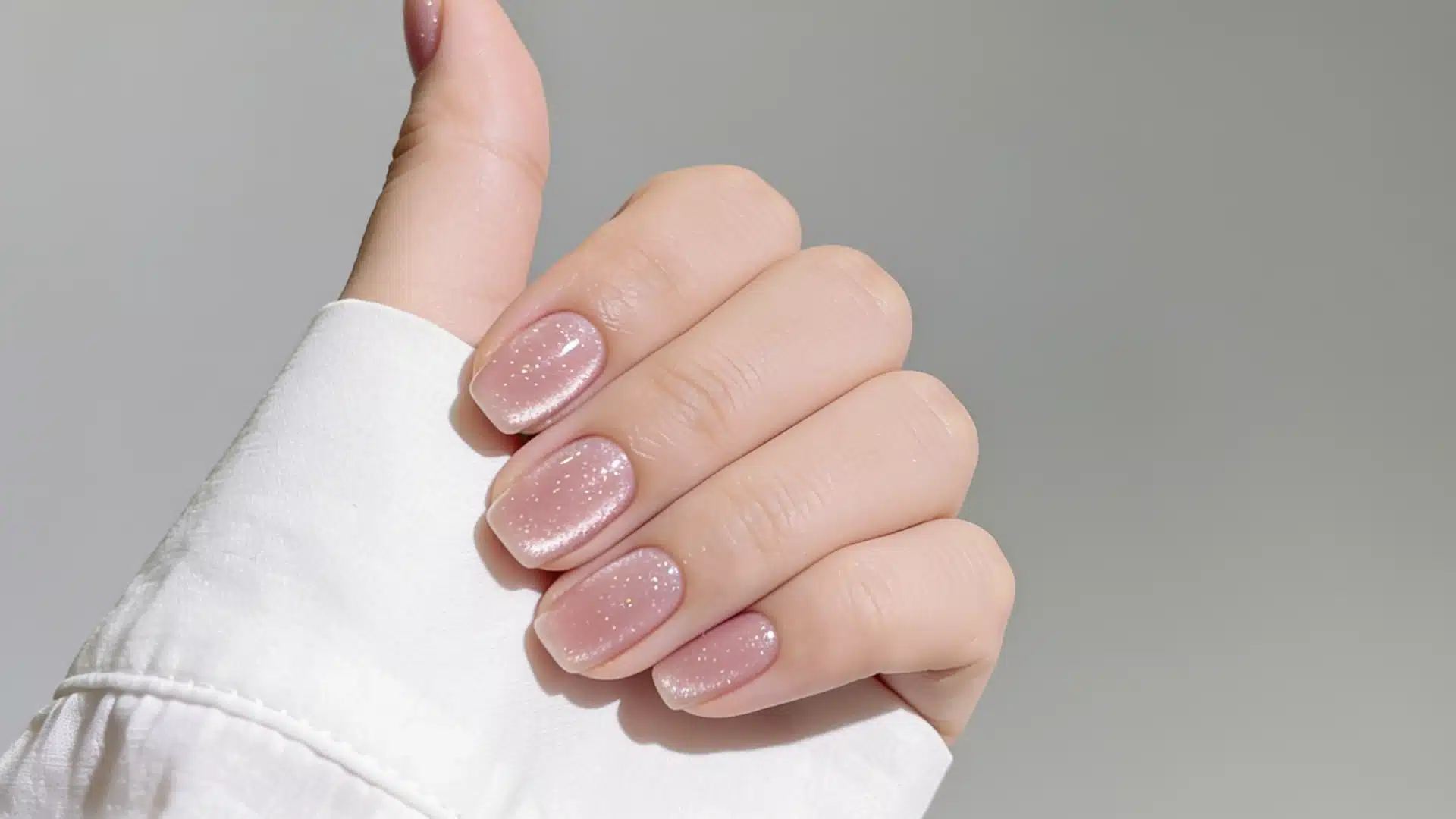
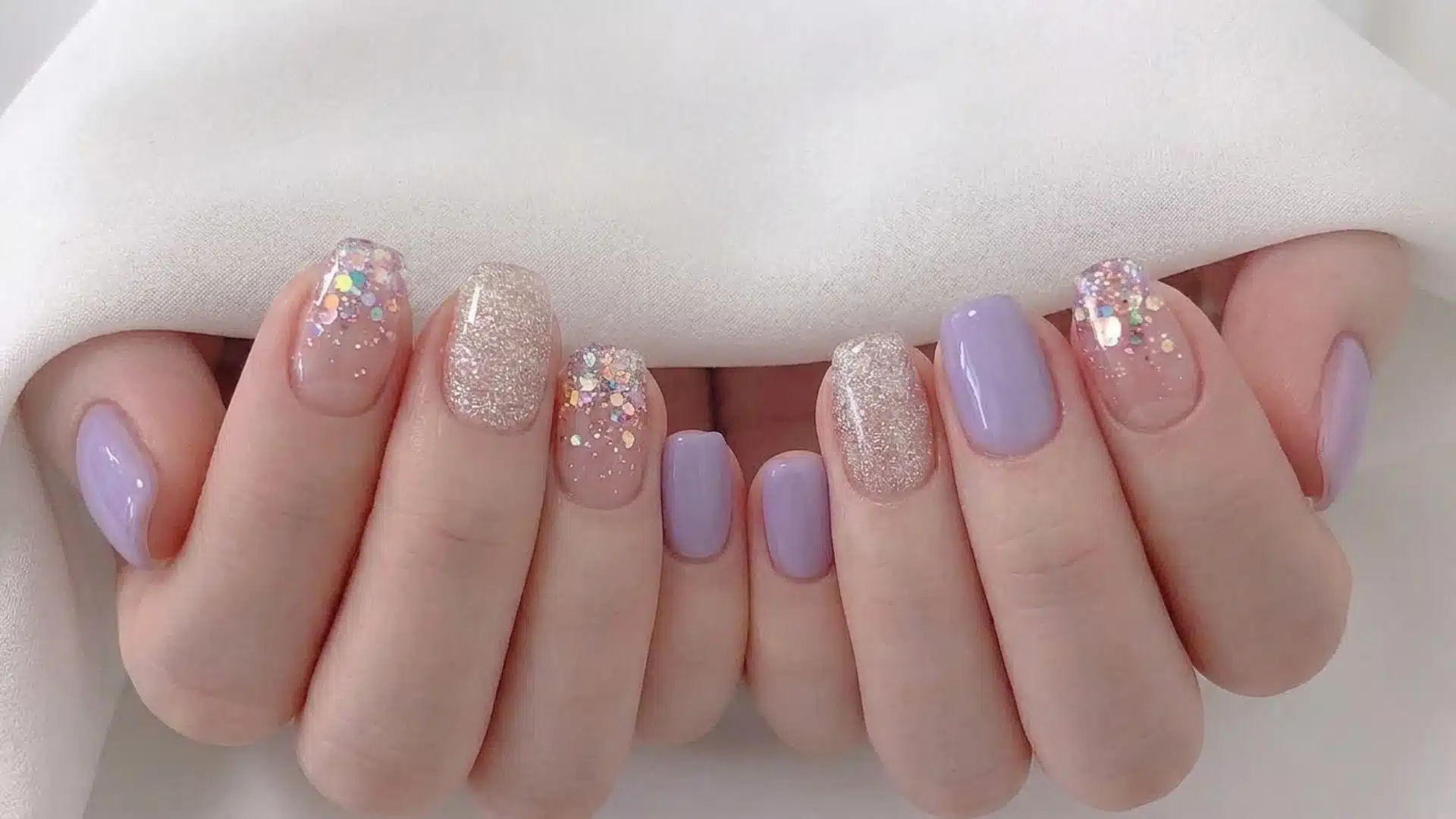
A gel manicure uses a polish formula that hardens under light instead of air-drying. It creates a hard, glossy coat built to survive daily wear.
The Technique: Gel polish cures under a UV or LED lamp for 30 to 60 seconds per layer, hardening into a solid shell.
Most manicures use three layers: a base coat, one or two color coats, and a top coat. Each layer gets cured separately before the next one goes on.
Why the Finish Survives Daily Wear
Once cured, gel resists chipping far better than regular polish.
The hard shell also keeps its shine without a second coat, holding up for the full two to three weeks it’s worn.
Who Does it Suit?
People with busy schedules who want color that survives daily life, and anyone who prefers a glossy finish over a natural look.
It suits fewer people with thin or damaged nails, since improper removal can strip layers off the natural nail.
Cost Difference Over Time
The upfront cost gap looks bigger than it actually is once you factor in touch-ups.
A Russian manicure costs more per visit, but the cuticle work holds for the full stretch between fills, so there’s rarely a mid-cycle appointment needed.
Gel costs less per visit, but chips or lifting often mean a touch-up or early redo before the three-week mark, especially for anyone doing manual work or frequent hand-washing.
Over three or four months, the total spent on gel with touch-ups factored in often lands close to what a Russian manicure costs outright.
The real difference isn’t the sticker price. It’s how much you’re willing to deal with between appointments.
Russian Manicure vs Gel Manicure – Overview
| Factor | Russian Manicure | Gel Manicure |
|---|---|---|
| How long does it last | Cuticle work lasts 2-3 weeks before regrowth shows | Polish stays shiny and chip-resistant for 2-3 weeks |
| Nail health impact | Gentler over time; skips clippers and focuses on precision | Safe if removed correctly; peeling can damage nail layers |
| Cost per visit | Higher due to training and time involved | Lower per session, but may need frequent touch-ups |
| Time required | 60-90 minutes for detailed cuticle work | 45-60 minutes, including lamp cure time |
| Removal process | No removal for the technique itself; only polish needs removal | Requires a 10-15 min acetone soak and gentle scraping |
How Each One Holds Up to Real Daily Wear
Swimming, the gym, and dish-washing wear down each method differently.
Chlorine and hot water are harder on gel than on a Russian manicure, since repeated soaking can work under the polish edge and speed up lifting.
A Russian manicure has no polish edge to lift in the first place, so pool days and dish duty affect it less.
Manual work, like gardening or frequent hand-washing, wears at both, but shows up differently: gel chips at the tips first, while a Russian manicure’s cuticle line simply grows out faster than usual and needs an earlier fill.
Neither one is bulletproof against daily wear.
If hands are in water constantly for work or lifestyle reasons, that’s worth mentioning to the technician up front, since both methods can be adjusted slightly for it.
Which One Should You Choose?
The right pick comes down to one question: what matters more, nail health or color that lasts?
Pick a Russian Manicure if: Cuticles are rough or overgrown, the goal is a clean look without heavy polish, or there’s an event coming up that needs sharp, finished nails fast.
Pick a Gel Manicure if: The schedule is busy, color needs to survive daily wear, or the plan is to skip touch-ups for two to three weeks.
If you can’t decide on one, then combine them. A russian manicure preps the nail. Gel polish goes on top.
One appointment covers nail health and long-lasting color, though it costs more and takes longer than either option alone.
Switching Between the Two Regularly
Some people move back and forth between the two rather than sticking with one. This is fine for the nail itself, as long as there’s a short gap between switching.
Going straight from a soaked-off gel removal into a Russian manicure the same day can leave the nail plate a little dehydrated, since it’s just been through an acetone soak.
Waiting a day or two lets the nail recover before the e-file touches it.
Going the other direction, from a Russian manicure straight into gel polish, causes no issue at all — that’s actually the standard combination appointment.
The nail only needs a break after chemical removal, not after cuticle work.
Switching itself isn’t the risk. Rushing straight from one to the other without any gap is.
Conclusion
Now the choice between a russian manicure vs gel manicure comes down to what matters most.
Rough cuticles and a clean, natural look point toward a Russian manicure. Busy weeks and color that holds up point toward gel. Neither one beats the other in every case.
Some people even get both done together for the best of both.
Whatever gets picked, the nails will look better prepped than left alone. That’s really the whole point of either method.
Frequently Asked Questions
1. Is a Russian Manicure Bad for Your Nails?
No, it’s gentle when done correctly. It skips clippers and only removes dead cuticle tissue.
2. How Long Does a Russian Manicure Last Compared to Gel?
Both last around two to three weeks before regrowth or chipping becomes noticeable.
3. Which Costs More, a Russian Manicure or a Gel Manicure?
Russian manicure usually costs more per session. Gel costs less but needs frequent touch-ups over time.