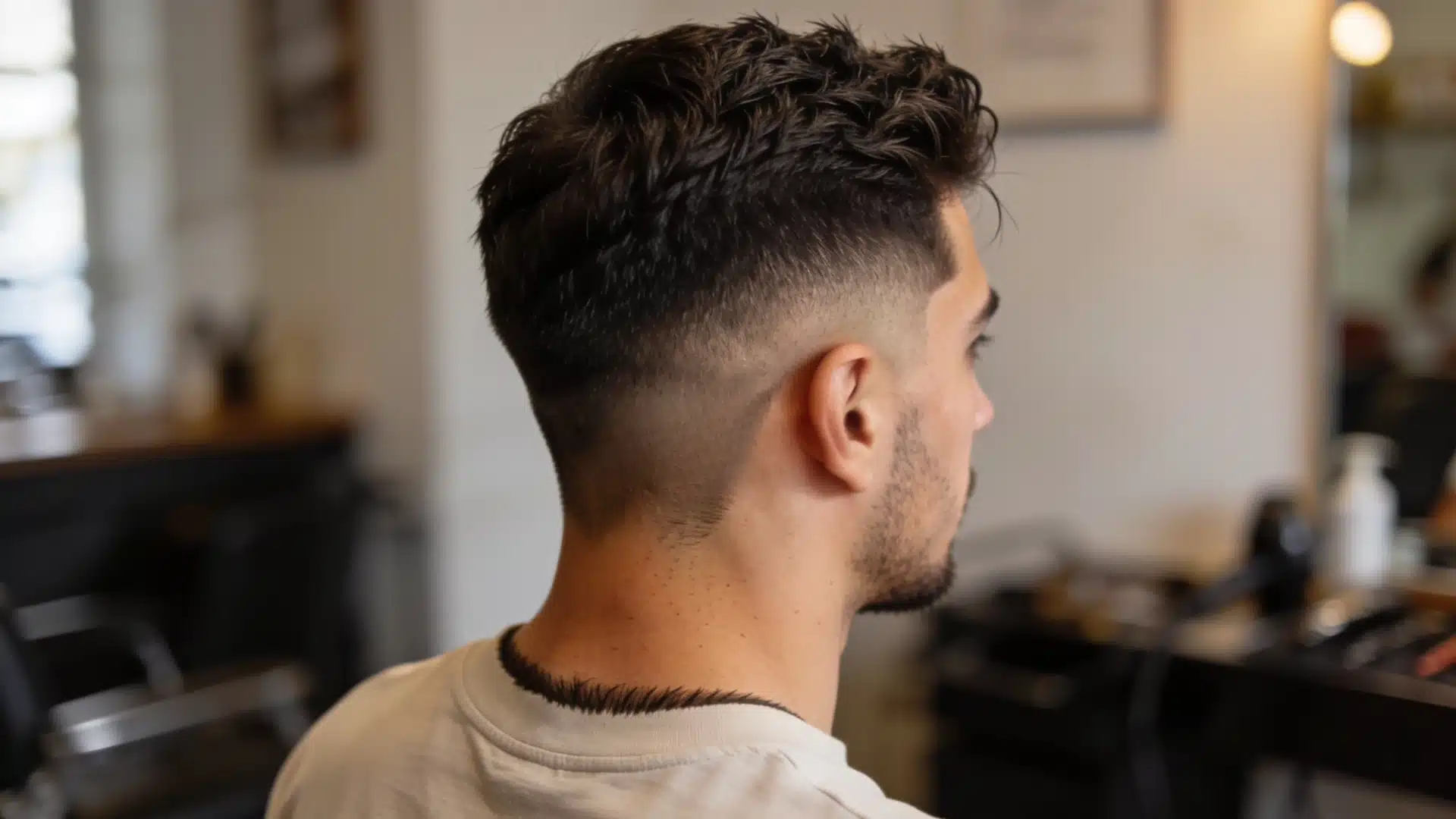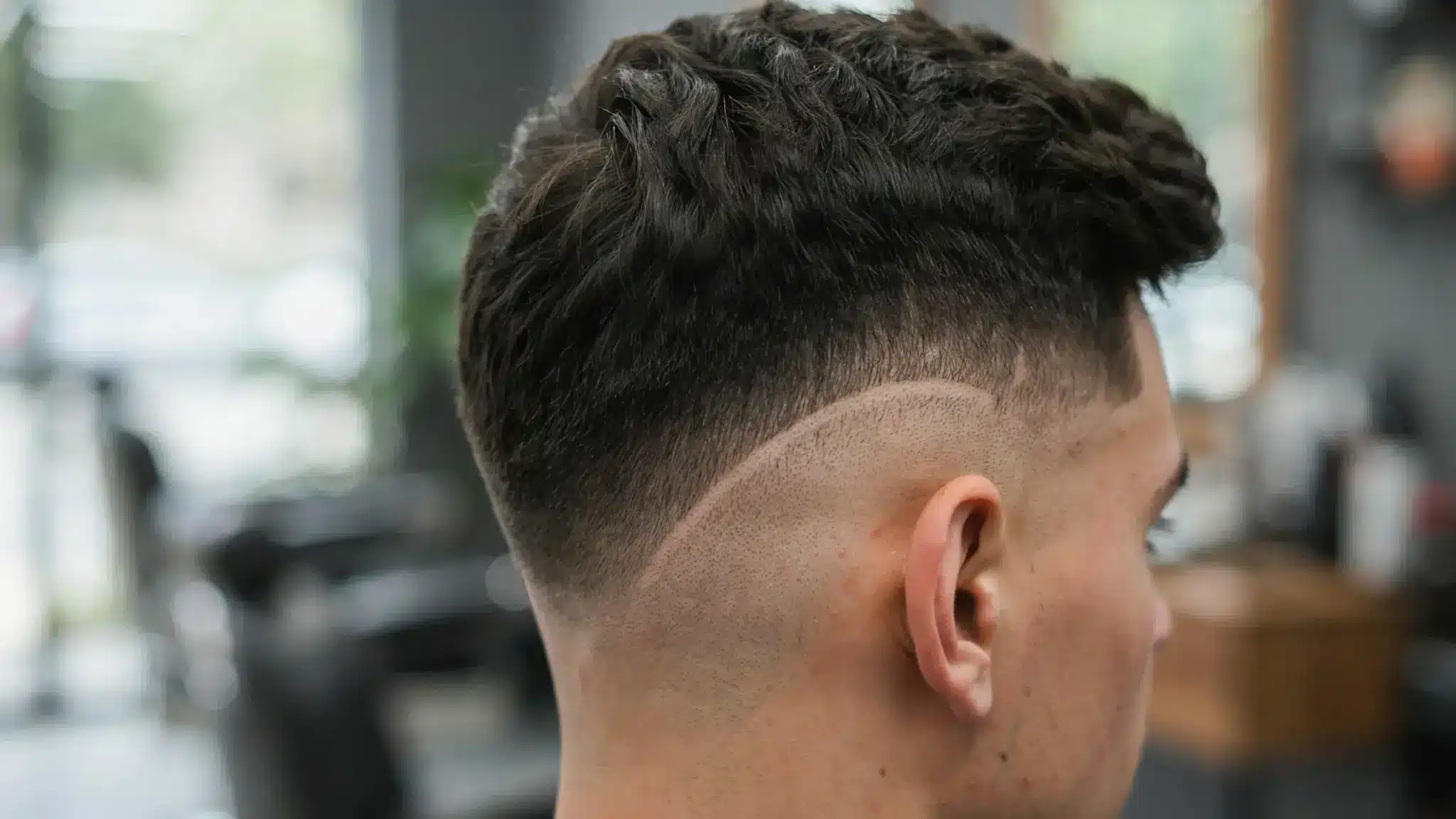
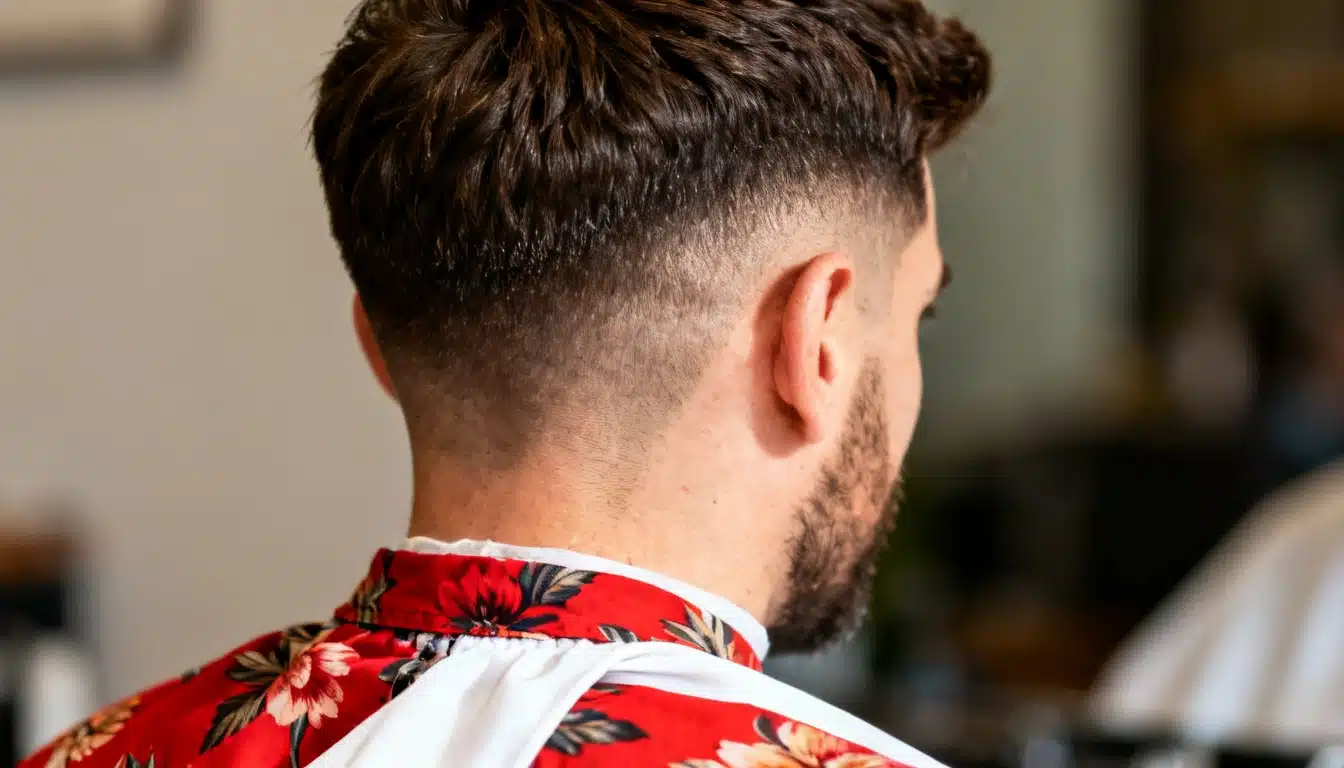

Choosing between a mid taper vs mid fade can be confusing because both styles create a clean, modern transition around the sides and back.
The main difference is how much hair is removed and where the blending happens.
A mid taper gradually shortens the hair around the temples and neckline while keeping more length across the sides. A mid fade blends the hair much closer to the skin from the middle of the head downward, creating a sharper contrast.
Let’s compare those and find the best choice for you!
What is a Mid Taper?
A mid taper is a haircut in which the hair gradually gets shorter around the temples and neckline, while keeping more length on the sides and back.
The taper starts around the middle of the head, creating a smooth, natural transition without exposing much scalp.
Unlike a mid fade, it does not blend down to the skin, so the haircut retains a softer, fuller look.
It suits people who prefer a neat haircut without a dramatic contrast.
What is a Mid Fade?
A mid fade is a haircut where the hair blends from longer on top to very short or skin level around the middle of the sides and back.
The fade begins around the middle of the head, which creates a sharper contrast than a mid taper.
Because the hair gets much shorter around the sides, the haircut has a clean, defined look that stands out more.
It pairs well with hairstyles like textured crops, quiffs, pompadours, and curly tops. The shorter sides also create a more defined finish.
Difference Between Mid Taper and Mid Fade
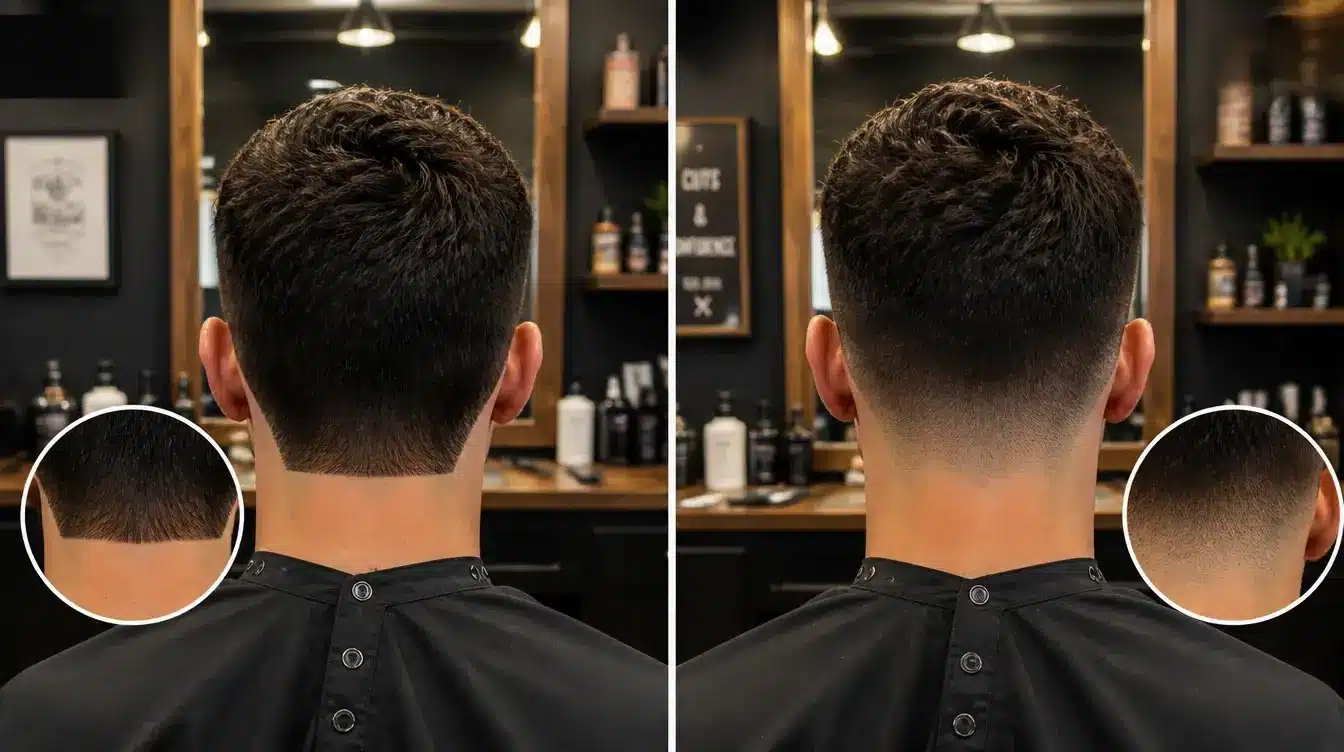
A mid taper leaves more hair on the sides for a softer finish, while a mid fade creates shorter sides.
1. Hair Length
A mid taper keeps more hair on the sides and back, creating a gradual transition that looks natural and balanced.
A mid fade removes more hair around the sides, leaving a much shorter finish that creates stronger contrast. If you prefer extra length on the sides, a mid taper is usually the better option.
2. Transition
The way the hair blends gives each haircut its own appearance. A mid-taper gradually blends the hair, making the length change look smooth and natural.
A mid fade blends down much faster into very short hair or skin, creating a cleaner and more noticeable finish.
3. Overall Look
A mid taper creates a classic, balanced look that suits both casual and professional settings.
A mid fade looks more defined because the shorter sides create stronger contrast. Your choice depends on whether you prefer a subtle style or a haircut that stands out more.
4. Maintenance
A mid taper is easier to maintain because it grows out naturally and stays neat longer.
A mid fade needs more regular trims to keep the shorter sides clean and defined. If you prefer fewer barber visits, a mid taper is usually the more practical choice.
5. Styling
Both haircuts pair well with different hairstyles, but the final look is not the same. A mid taper pairs naturally with styles like a side part, slicked-back, or comb-over.
A mid fade complements modern looks such as a textured crop, quiff, curly top, or faux hawk.
6. Barber Visits
A mid-taper usually needs a trim every 3 to 5 weeks, depending on how quickly your hair grows.
A mid fade often looks its best with a barber visit every 2 to 3 weeks because the shorter sides lose their clean and sharp appearance more quickly.
Which Haircut Matches Your Face Shape?
Your face shape can affect how a haircut looks. Both haircuts suit most face shapes, but one may complement your features better than the other.
Round Face
A mid fade is often the better choice because it creates cleaner sides and adds more definition. This can make a round face appear longer and more balanced.
Oval Face
Both a mid taper and a mid fade work well with an oval face because it is naturally well-balanced. Choose a mid taper for a softer, more natural look or a mid fade if you prefer a sharper finish with more contrast.
Square Face
A mid-taper keeps the haircut balanced while accentuating a strong jawline.
If you prefer shorter sides and a cleaner finish, a mid fade is also a great choice and gives the haircut a bolder appearance.
Heart Face
A mid taper helps keep more hair around the sides, creating a balanced look for a wider forehead and a narrower chin.
The extra length softens the overall shape and creates a more even appearance.
Diamond Face
A mid-taper usually works well because it leaves more fullness around the sides, helping to balance wider cheekbones.
Conclusion
When comparing amid taper vs mid fade, the right choice depends on how bold or subtle you want your haircut to look.
Both cuts can be customized to suit your face shape, hair type, and preferred top length.
Use reference photos when speaking with your barber and clearly explain how short you want the sides, neckline, and area around the ears.
Now let’s go get a new haircut!
Frequently Asked Questions (FAQs)
1. Can a Mid Taper Turn Into a Mid Fade?
Yes, a barber can gradually trim a mid taper into a mid fade.
2. Which Haircut is Better for Thick Hair?
Both work well, but a mid fade removes more bulk from thick hair.
3. Can Both Haircuts be Combined with a Beard?
Yes, both pair well with beards when blended smoothly into the sides.