Finding the Perfect Home: 3 Different Approaches

Looking for the perfect home? Maybe you’re just getting onto the property ladder after years of renting, or perhaps your family has grown and you’re looking to move into something bigger and more suitable. You might even be looking to move to another area or move abroad. Regardless of your situation, there are three main ways you’ll find your next home, which of these would work best for you?

Renovate

If you can find a property which is in budget and generally ticks all of your boxes but just needs work doing to it, renovating can be a good way to achieve what you want. You dont need all of the money right away as you can renovate room by room. It gives you the chance to transform a home to look exactly the way you want it to, it’s likely to cost you a lot less than buying a move- in ready home and you can customise it to make the property work for you. You’ll need to go in with a clear idea of the costs and a reliable team of tradespeople to tackle the work. 

Consider having a house built

Having your home built from scratch might seem like a pipe dream. But actually, if you look into whether to buy or build a house you’ll find that in many cases it can work out cheaper to build. This is because when you renovate, you have to factor in the cost of removing old furniture, carpet and things like kitchens and bathrooms. You have to spend time or money (or both) stripping out wallpaper, fixtures and putting right any wrongs from plumbing to electricals. Sometimes asbestos, pests and other issues can arise and cost much more than you budgeted for. When you build from scratch you avoid all of these problems. Having a house built means you can plan it and make it exactly the way you want it right from the start. Chances are you’ll have planning permission rules that you’ll need to stick to, but in terms of things like layout and finishes its something you can get right from the beginning. No need for removing old to make way for the new. 

Find a move- in ready home

If you’re really lucky you might find a house on the market which is exactly what you’re after. In budget, the size and style you want, the area you want and requiring minimal renovation. If you’re not much of a DIYer and dont want to live in a house that resembles a building site then this probably appeals. However, most properties that are move-in ready will cost more money so it may be difficult to find a house that has everything you want unless you’re prepared to spend more on it. But keep checking property listings every day, set alerts and let local estate agents know what you’re looking for so they can contact you if anything comes up. 

Which of these three options would you choose to achieve your perfect home? Whether you decide to renovate, build from scratch, or find a move-in ready property, each route offers unique advantages depending on your budget, timeline, and personal preferences. If you are considering purchasing property abroad, understanding how to securely send money to Brazil and other overseas countries is essential.


How to Make Your House a Home – 8 Easy Tips to Get You Started

When you first move into your house, it can feel like a new world. You’re finally living in your own space, and there are all of the new things to explore. It can be really tempting to rush out and purchase new items to furnish your home and get carried away. However, it pays to take care and attention when moving to ensure you get the right things for your new home.

Before you can start enjoying your new home, you need to know some of the basics to help you make your house a home.

Here are some easy tips to help put the personal touch on your new home and create space you enjoy being in.

Get organized

Your home is a reflection of you, so it’s essential to make it feel like your own. The first step to making the most of your new space is getting organized. Whether you are just moving in or starting from scratch, this is where you start.

Before you even think about new home organization, you need to organize the items you are moving with you first so they can be easily found and make their way to the right rooms once you move.

There are numerous options for getting organized, including adding closets, shelving. Whether you use a traditional method or an organizational tool that fits your style best, managing your personal space will help you feel more comfortable in your home.

Organizing all the extra supplies that come with living in a house can seem overwhelming at first. Still, it will ultimately help make your life easier and more enjoyable once they are located and put away correctly.

Plan your layouts

The layout of your home will affect how you live in it. Everything should be planned out and adjusted accordingly, from where you eat to the furniture for the room. Planning out your house’s layout is the first step to making your new home feel like it belongs to you.

A layout plan can help ensure that everything is arranged in the best way for you. It can also make sure everything fits how it should, and your furniture is the right size for the room. Use a tape measure to get the correct dimensions of a room and measure your furniture or use it as a guide when buying new items to ensure the space is the right size for what you are putting in there.

When creating a layout plan, start with simple things and build from there as needed. This will ensure that you don’t overthink things, leading to stress and confusion when putting them into action.

Start with a general idea of what you want your home to look like and consider all of those ideas before coming up with a detailed map of how things will work together. If you need help getting started, hire a space planning professional

Get your home cleaned.

When you move into a new home, the first thing to do is make sure it’s clean. Not only will this help you feel more comfortable in your new space, but it will also help you to identify and get started on some of the other projects you have planned for your house.

There are plenty of ways to clean without spending too much money, so no matter what size budget you’ve got, there is a cleaning product that will work for you.

Ways to clean a new home include:

  • Vacuuming
  • Sweeping or scrubbing floors and mopping
  • Cleaning windows inside and out
  • Dusting furniture and surfaces
  • Cleaning cupboards, kickboards, and closets
  • Inspecting appliances that ocme with the property like microwaves and refrigerators for signs of damage or mold
  • Cleaning drains, plugs and focussing on tilework.

You might find it easier to hire a professional cleaning company to assist you with a deep clean before you move in. Or, if you are having renovation work carried prior to your move, choose a professional deep clean once all the work is complete; you will be surprised at the level of dust and dirt generated by some renovation jobs!

Add personality to your home.

One of the first things you need to do when moving into a new home is to add personality. Homeowners can do this by adding personal touches like their favorite colors or photos. You also want to create a space that you enjoy being in, so make sure to keep this important detail in mind when decorating your home.

An excellent way to add personality is by using colors close to what you love. If you’re feeling bold, try going with a bright color like yellow and incorporating it throughout your home. There are many other ways to add personality to your home without changing the space too much, so be creative!

Adding pictures and art to your home is a great way to personalize it. Choose what you want the space to feel like when you walk in the door. You can choose a painting or piece of art that will set the tone for the rest of your living room or bedroom.

Another fun way to personalize your home is by adding a family heirloom or an item from another place you have been. This keeps memories alive and makes people in your home feel more connected with where they live.

Another easy way to add color and personality is through quotes, phrases, or other sayings on your walls. It’s a great way to get in touch with who you are and make people think about where they live! You can choose something related to yourself or one of your family members.

Add soft furnishings

Adding soft furnishings is one of the best ways to make your new home feel warm, inviting, and comfortable.

Soft furnishings can be as simple as a throw or rug for your living room floor or a pillow for the sofa. They can also be more elaborate such as a plush ottoman to sit on in front of the TV or a zebra-print bedspread to add personality to your bedroom.

Soft furnishings provide comfort and style without taking up too much space, and they’re easy to change up over time. You may want to update your furniture with something new every few years, or you could keep it simple with the same pieces year after year.

And when you decorate, don’t forget about windows. Windows are one of the most essential parts of rooms in any house, so it’s worth investing in curtains and window dressings that will really do justice to them! This is an excellent way for you to personalize your home and make it work for you.

Pay attention to outdoor space.

Think about what you want to do in your outdoor space before deciding on the materials for your backyard. You may want to consider building a fire pit, creating an outdoor eating space, or planting a garden. Once you know what you’re looking for, you can start planning how to make it happen.

Use a teak outdoor furniture buying guide to help you find the appropriate furniture for your garden based on usage, style, and environment. Some materials will wear better than others in different weather conditions, so bear this in mind before purchasing your outdoor furniture, especially if you don’t have anywhere to store it.

Don’t forget: It pays off to take the time and care when designing your outdoor space.

Decorate

Invest in decor that you enjoy, and that is unique to your personality. This will make it easier for you to feel like you’re living in a space representing you.

When you first move in, assess what color scheme you would like to choose and prioritize this before bringing in your furniture if posole.

When choosing a color palette for your home, it is worth answering using the same colors throughout or having one color that ties the whole house together. You can use this as your base to make sure our theme works in all areas.

Add Plants

If you want to be able to relax in the room, place a natural or artificial plant in the corner of the room. It will help create the ambiance you’re looking for and create a serene atmosphere when feeling overwhelmed by life.

Not only are plants lovely to look at, but some require very little maintenance, meaning you can leave them without worrying about not watering them enough. Physical and physiological benefits of houseplants include reducing fatigue, improving mood, increased oxygen in the room, and increased pain tolerance.

If natural plants aren’t for you; after all, not everyone is green-fingered, then choosing artificial plants can be a great alternative.

When making your new house a home, the small details can make it feel like yours. Give yourself a blank canvas to work from, and putting thought into the detail can help you create that look and feel you are looking for. Take a step back, really look at the property before you move your furniture and belongings in to give you the best chance of making it your own.

Keep Your Garage Free of Clutter With These Storage Tips

Whether you live alone or in a family of five, your garage is most likely to be the messiest and disorganized part of your home. A garage is a place for workshopping, exercising, or creating, but for most families, it is a place of storage. From old clothes to power tools and bicycles, most garages are littered with a variety of items. If you’re looking to revamp your garage and give yourself some peace of mind, working on your storage is a good start.

Cleaning out the garage can be tough, but armed with the right tips and tricks, anything is possible. Whether you’re looking to deep clean, re-organize, or declutter, here are some tips and tricks to improve your garage storage. Follow these simple tips, step by step, and watch as your garage changes before your eyes!

Dispose of unwanted clutter

The best way to start tackling a cluttered garage is to start sorting out its contents and get rid of what you don’t need. An easy way to do this is to organize the miscellaneous items in your garage into three piles; keep, donate, and throw away. This may take a day or two, depending on the amount of clutter, but it goes a long way to cleaning up your garage. Once you’ve separated your clutter, you can work on organizing and storing a third, while getting rid of and donating the rest. Improving your garage storage starts with getting rid of what you don’t need anymore.

Plan out your storage

Before you start improving your storage space, it’s a good idea to plan a few things first. Having a layout for your garage can help you better visualize and utilize the space. Allocate areas for different items based on how frequently they’re used, what they’re used for, or their size. For instance, you can store bulky items on the ceiling using overhead shelves, available at The Smarter Garage, so they don’t get in the way or cause accidents. Likewise, you can keep smaller items in boxes or drawers to ensure they’re easy to find and don’t get lost. Planning saves you time and energy when it comes to decluttering your garage.

Keep items off the ground

A garage with a cluttered floor is an accident waiting to happen and a disorganized safety hazard. A great way to store your items better and to make your garage safer is to keep your items off the ground, which can be done in a few ways. Depending on your preference, hooks, and overhead storage units are the most popular. Whether you’re in need of overhead garage storage or some simple shelves, be sure to do some research into what fits best for your space. Keeping things off the ground is a great way to reduce clutter and make your garage safer and easier to clean.

Use your wall space

Apart from storing things above your head, you can store things at eye level in the garage, by using your walls. Every garage has a limited amount of wall space, so it’s important to not go overboard and to use it wisely. There are plenty of ways to hang and store things on your garage walls, so you can get quite creative. Use shelves, hooks, baskets, grids, or even wheelbarrows hammered into your walls! Depending on the kinds of items you have lying around, there are plenty of ways to keep them on the walls and off the floors.

Store items in boxes

Using boxes to store your garage items may seem counter-intuitive, but if done right, can vastly improve your garage storage. If you’re able to organize your items into boxes, you can protect them from the elements, keep them out of sight, and find them easier. There are plenty of different storage mediums to use from boxes made of plastic, wood, or metal, to glass jars and wired baskets. 

Choosing the right container is important so make sure to think long and hard about which ones to use. Each storing medium has its own pros and cons depending on the item in question, so don’t be afraid to compromise. If you’re going to be using boxes, make sure they’re sturdy, stackable, and labeled properly. Remember to keep things in their places and to label, to find them easier in your boxes. 

Regularly clean your garage

Decluttering and re-organizing your garage is harder to do if your garage is messy and unclean. The fine dust that accumulates in closed spaces like garages is not only a health hazard but makes decluttering harder. If you want to make better use of the space and be able to organize easier, make a habit of keeping your garage clean. Set aside a day or the week or month, depending on the size and state of your garage, and get to cleaning. A clean garage is better for your health and mood, and remember, cleaning regularly is easier to do than a full-scale garage deep clean.

Have good lighting

Whether you’re planning on sorting, organizing, or cleaning out your garage, you need to make sure it’s well lit. Decluttering and finding your items in any garage is hard enough, especially when there’s no light. Having a well-lit garage makes things less dark and gloomy, and makes it easier to clean out and organize. Natural light is good during the day, but it’s important to have enough light at night too. Upgrade your garage lighting and electrical systems to add value to your home and make working in your garage easier.

So there you have it! Decluttering your garage takes a lot of hard work, but you can improve the storage of any garage with the right tips and tricks. Start off your decluttering journey by throwing out what you don’t need, and by planning out your space. A little planning beforehand makes the world of a difference when tackling your garage storage. 

Keep your garage floor clutter-free by storing things off the ground on the walls and ceiling. Experiment with boxes for your items and label them to keep them safe and to find them easier. Don’t forget to keep your garage clean and well-lit to make organizing easier! Follow these tips and you’re on your way to having the most organized garage space ever!

How to Prepare Your Garden for Winter

The bitter temperatures that winter brings aren’t always forgiving to our gardens and plants. The way you look after and protect your garden in the winter months will pave the way for how your plants produce and perform in the new year. No one wants their once thriving vegetable patch to be filled with weeds, and precautions need to be put in place to stop this from happening. Not only does prepping your garden for winter protect your existing plants, but it also helps revitalise and recharge your soil ahead of the new season.

Consider Artificial Lawn Whether you’re based in New York or Bromley, artificial grass is a method of ensuring that your garden doesn’t suffer the consequences of winter. Since it isn’t a natural solution, synthetic grass isn’t affected by environmental conditions, meaning that it’s able to withstand the wintry frosts. Similarly, it won’t drown as a result of the repetitive rainfall that is often experienced in winter.

Remove All Spent Vegetables

When left to decay and rot, vegetable plants can cause serious problems for the following growing season. Therefore, it’s imperative that you remove your spent vegetable winter plants in anticipation of the winter season. Old rotting plants are ideal environments for pest populations and disease to fester in. This creates problems for when these plants drop seeds that will continue to germinate and steal even more nutrients. Therefore, dying plants should be pulled and cleared from your garden as soon as possible. Similarly, you’ll need to dispose of any fruit or veg that may have fallen to the ground.

Add Back Organic Matter

We’re often led to believe that preparing a garden for winter means that you should merely leave it bare and exposed. However, this isn’t necessarily the case. Instead, you should be adding some power to your soil by incorporating some organic matter. Typically, winter isn’t the ideal time to be growing vegetables, making it the perfect time to power your soil.

Since vegetables soak up all the soil’s valuable nutrients for growth, your soil will suffer as a result if not properly treated. Key minerals such as phosphorus, potassium, and nitrogen will slowly disappear from soil over time, which isn’t helpful to your future plants. Organic matter can be added in the form of shredded leaves, animal manure, or compost. The nutrients of each of these will break down and leach into the soil during the winter months ready for the new growing season.

Cover Soil

One of the biggest mistakes that you can make as a gardener is to leave your soil bare and exposed throughout winter for multiple reasons. Firstly, this allows valuable garden soil to be swept away and erode. Secondly, it permits weeds to find a path to lie in. The best way that you can protect your soil and the organic matter that you’ve layered over the top is by planting a covering crop. Not only does this protect your soil from the potential threats of winter, but it also provides it with the nutrients it was previously lacking. However, if it isn’t

possible for you to plant a covering crop, you should implement other measures to cover your soil. This can come in the form of a large tarp or a thick coat of straw or leaves.

Conclusion

Make sure that your garden is in the prime position to tackle winter with the above tips. You can make certain that the following growing season will be one of the best with the right measures in place. Take pride in your garden this winter.

Is Laminate Flooring Waterproof?

Are you shopping for laminate flooring? This is becoming a popular option in many homes due to the variety of styles that are available and the numerous benefits it can offer you and your family. From being affordable and highly durable to being easy to clean and keep hygienic, you can use laminate flooring almost anywhere around the home.

One common question that people want to know the answer to is; is laminate flooring waterproof? This can be important for family homes where you have young children and pets or if you lead an active lifestyle. So, let’s find out whether laminate flooring is an option that is waterproof and look at the pros and cons of laminate flooring.

Is Laminate Flooring Going to Be Waterproof?

One of the reasons people love laminate flooring is because it is durable. It is often made from a layer of melamine, fibreboard and then a durable plastic top layer. Together, this creates a sturdy and long-lasting floor for your home. What’s more, it can be designed to look just like real wood or other materials you like but do not think is practical or within your current home renovation budget.

You may be looking for a straightforward answer when it comes to laminate flooring and being waterproof. But, we are going to tell you the truth. The answer to this question is going to depend on the laminate flooring you are purchasing. There are a lot of design options when it comes to laminate flooring and this includes whether it is water resistant or waterproof. If you are not sure what type of laminate your home needs, it is best to talk to a professional who can advise you.

What is the Difference Between Water Resistant and Waterproof?

When you are looking at laminate flooring, you are going to see the terms ‘water resistant’ and ‘waterproof’ used. Often, homeowners assume that they are the same thing. However, this is not true and you need to be aware of the flooring you are purchasing. After all, you want to make sure you get the right laminate floor for your home and the room you are going to be using it in. So, let’s take a look at the difference.

Water Resistant

First of all, let’s consider water resistant laminate flooring. Using the term ‘water resistant’ means that this type of flooring is likely to repel water or other liquids to some degree or for a certain amount of time. This means that if there is a spill on the floor, as long as you mop it up relatively quickly, it is not going to cause any lasting damage to the floor. This is unlike hardwood or carpets, which do not react well to getting wet.

One of the reasons why people like water-resistant laminate flooring is that it is the more affordable option. You are going to be able to lay the flooring on a budget and know that it can offer what you need. What’s more, if it is going to be in a room where there is no dampness or it is unlikely to get wet, water-resistant laminate flooring is going to work well.

Waterproof

Next, we have the term ‘waterproof’. Just as the word suggests, this type of laminate flooring is going to be the most durable and it means that water or other liquids will not penetrate the flooring in a way that will damage it. Waterproof laminate is going to be flooring that is recommended for families, in areas that get wet and in damp or cold places such as basements or bathrooms.

As you can guess, waterproof laminate flooring is going to be a durable option. Water is not going to be a problem for this and you do not have to worry about discolouration or distortion.

Something you will notice with waterproof laminate flooring is that it is likely to have a higher price tag. This is because it is supposed to be more durable ad be able to deal with a lot more exposure to water. But, you may pay out more money initially, you should be able to get more years out of waterproof laminate flooring.

How Do I Choose Laminate Flooring?

Now that you know the difference between water resistant and waterproof laminate flooring, you need to decide what one is going to be best for you. Think about what room in your home is going to have the laminate flooring and what your lifestyle is like. For example, if you have an active lifestyle, you might want to choose waterproof laminate flooring to cope with changing weather conditions and coming in with wet and muddy shoes. Do not forget that there are flooring experts out there that can advise you on the best laminate flooring for your home too. They can ask the right questions to give you your answer.

Ways to Upgrade Your Home Interiors Like a Pro

“Where we love is home – home that our feet may leave, but not our hearts.”

● Oliver Wendell Holmes, Sr.

Believe it or not, some people are born with an eye for design. But if you are from the camp who don’t have this hidden talent, relax as there are professionals to sail you through it. Moreover, a Pinterest board is loaded with so many exciting and easy DIYs to help you.

When it comes to home decor, everyone wishes to see an impeccable change in their home decor after a decade or so. This is important to bring a tinge of freshness to the entire arrangement without ruining its grace. Now, this may sound like doing some magic with a magic wand. But you only get to know about the reality when it comes to the execution part.

If you are fed up with the old-school home decor scheme and now wish to see some necessary changes, here are some interesting ideas waiting for you. Read and give them all a try to make the much-required difference.

1 – Get that custom look – When it comes to giving your premises a plush yet brand new look, there is nothing better than adding a personalized touch to everything you do. Here, picking some pre-made tiles for a custom look is the best option. As per Jessica Geller (an interior designer), “We typically cut readily available materials that are in standard sizes into smaller sizes of those same tiles,”

All you need is to see if the chosen tiles are going with your overall design scheme or not. This will be enough to make a notable difference in the ambiance and appearance. Be smart with picking the ideas to make the difference you want.

2 – Landscaping – If your whole idea of upgrading your home’s interior is to give it a new look, then why don’t you think of bringing a tinge of nature to it? Well, here we are talking about landscaping ideas. There are so many landscaping factors to make your place look exceptional. Here, dSPACE Studio architects recommend experimenting with the different landscaping and architectural ideas. This exposes you to some fresh ideas while helping you create milestones in this domain.

3 – Revolve around patterns – So many patterns and ideas are waiting for you to enhance your premises’ look and feel. All you need is to blend a perfect match of patterns and designs, making a significant difference. You have to be very careful with selecting colors on the pattern-oriented walls. Rather than leading to blunders, consider a professional’s recommendations. This leaves a huge impact on your home’s decor while adding a lot more to its value.

The last word –

Giving your home a new touchup and appearance sound fun until you come to the execution part. But relax; the execution of such fun ideas isn’t rocket science for sure. All you need is to awake the creative soul within you and put your creativity to the test. So, wait no more and give all these ideas a try for sure!

Prevent Your Home From Slipping Into Old-Fashionedness

We can all do with a style update from time to time, especially when it comes to our home spaces. We want them to suit our lifestyles, but also to suit our energy, which needs a little revitalization now and then. Are you worried about making choices that are a little old-fashioned or, at the very least, at risk of aging out quicker than you would like? Here are a few ways you can make sure that you keep the contemporary spirit in your home.

Go easy on the knick-knacks

Your mileage may vary with the minimalist approach. However, there’s no denying that the more little pieces of decor that you have out, the more likely it is that they are going to age the room, especially if they’re particularly suited to one kind of aesthetic or taste. This isn’t to say that you shouldn’t use any personal touches in your decor, of course, simply that you might want to be more mindful of the knick-knacks you place around the room, to keep them to a focal point such as a shelf, a table, or a vignette somewhere in the room.

Clean surfaces are key

Softness is good. Soft furnishings can add a lot of warmth and depth to a room. However, there is something that ages very fast about carpets, even if they are maintained well. Similarly, smooth and clean wall surfaces tend to not age as fast as wallpaper. To that end, you might want to look at options like wood flooring, or even convincing wood-like vinyl. For your walls, simply painting drywall might help or, if you want to give it more personality without aging it too much, then you might want to look at some of the cladding options that are available.

Use contemporary designs

Of course, your furniture is going to be what’s pulling the majority of the weight when it comes to the look and feel of your rooms. To that end, you should make sure that you’re looking in the right place, such as at designers and collections specifically for modern furniture. This tends to mean furniture with an ergonomic design to mind, minimalist approaches when it comes to the flourishes on them, and good consideration of the space in the room and what kind of footprint they have in the overall plan. Naturally, any furniture choices have to be made with the style and size of the room in mind, too, but finding the right designers is a great start.

Be wise with your colors

You should also think about the general color scheme of the rooms, as well. For the base colors, such as the walls and the major pieces of furniture, you might want to go with neutral or earthy tones. It doesn’t always have to be grey or white. You can use accent colors that have a little more pop to them to make sure things don’t look too monotonous, either.

Trends do change and even what is considered “modern” in decor might change in a decade or two. For now, however, the choices above are going to keep your home looking timeless.

Unseen And Uninvited Guests: How To Protect Your Household

Uninvited guests are always an unwelcome sight, but the unseen ones can be even more disturbing. They hide in your home and cause illness or damage to your property without you ever knowing they were there. We all know that germs like colds and flu are transmitted through the air, so it’s important to keep surfaces clean and wash our hands frequently.

Radioactive Gas

Radon gas is a radioactive gas that is colorless, odorless, and tasteless. It can be found in soil, water, and air. Radon gas is the leading cause of lung cancer in nonsmokers in the United States. The only way to know if you have radon gas in your home is to test for it. You can buy a testing kit from home improvement stores or online sites.

Mold

Mold growth, which you can find using a mold test kit, is a serious health risk that can grow anywhere in water or moisture. It has been linked to asthma, lung infections, and allergies. In addition, mold will cause damage to your walls and even destroy wood furniture, so it’s crucial to take action against mold in the home before any long-term harm occurs. If you discover mold, it is best to hire professionals for mold cleanup as they will have the necessary safety gear to protect themselves and you while they clean up the mold.

Pests

Did you know that one mouse can leave behind droppings containing up to 200 droplets of urine per day? If a mouse is living in your home for just three weeks, it will have left behind enough droppings to contaminate every surface! Rodents and other pests can cause various health problems, from respiratory illnesses to salmonella poisoning. They can also damage your property, chewing through wires, insulation, and even framing! You can protect your home from pests by taking a few simple steps:

  • Seal up any cracks or holes in your home’s exterior that might provide entry for pests.
  • Install door sweeps and weather stripping to keep them out of your house.
  • Store food in airtight containers and dispose of garbage regularly.
  • Ensure you have adequate ventilation in your kitchen and bathrooms to discourage pests from living and breeding there.

Dust Mites

Dust mites are tiny creatures that thrive in warm, humid environments. They can be found in mattresses, carpets, and furniture. Dust mites feed on human skin cells and can cause asthma attacks and other respiratory problems. To protect your household from dust mites, you should:

  • Vacuum regularly and use a high-quality vacuum.
  • Clean your bedding often, especially pillows and mattresses.
  • Seal up any cracks in the walls or other areas where dust mites might be able to enter.
  • You can also use a mattress encasement that zips shut over the top of your mattress to prevent these unwanted visitors from entering.

Termites

Termites are one of the most destructive insects that can invade your home. Their numbers grow exponentially until they feel overcrowded and move on looking for a new place to nest. It might be too late when you see them, but if not, then there are steps you can take now before it’s too late! Look for termite damage. Since the insects live in hidden tunnels inside the wood, it isn’t easy sometimes to spot them without knowing what you are looking for. Some signs might indicate infestation: Uneven floors; powdery residue or tiny pellets on your windowsills (which could be their feces); small holes in the wood; and cracked or bubbling paint. Hire a professional to help you get rid of them.

The best way to protect your household from unseen uninvited guests is by being proactive. You can take some easy steps to make your home less inviting for pests, such as sealing up any cracks or crevices in your foundation or walls, checking your screens and doors to ensure they fit correctly, and keeping food scraps cleaned up and stored away. Take these steps now. Prevention is better than cure.

Keeping Your House Afloat During A Rough Winter

Winter can be a difficult time in many homes. Once the weather starts to become more extreme, people have to work much harder to ensure that their property is in good shape. In some cases, this can mean spending a small fortune on repairs and work, though many people don’t make it to this stage. To help you out with this, this article will be exploring some of the issues that homeowners face during winter, giving you the ability to keep your house afloat when this time of year comes. This doesn’t have to be hard when you put the right time into it.

Ice & Water

Everyone knows that happens to water once it reaches a low enough temperature; it turns to ice. When in this solid form, water takes up more space than it usually would, and this can cause a lot of issues for pipes that are designed to carry water. Insulation can be used to cover outdoor pipes, ensuring that they don’t freeze when the winter weather comes. Alongside this, it can also be worth making sure that water isn’t allowed to pool on your building during winter, as ice can cause damage in other areas, too.

Flooding

Water doesn’t have to freeze to cause damage. Rain will usually come throughout the year in most places, though it will be worst during winter. This makes flooding a very real risk for many people around the world, and this can cause a lot of damage to homes that aren’t prepared for it. Having access to sandbags, pumps, and other flood equipment can help with this, though you may also need a water damage cleanup company to fully restore your home after a flood. Dealing with flooding can be very hard, and it will always be worth building strong relationships with the people living around you to make sure that you can work together during times like these.

Heating

Living through winter without the right heating for your home can be horrible. Many people get sick thanks to this, but this can be avoided by taking the right action before winter. By having your boiler and other heating systems serviced, you can make sure that they don’t need any repairs when winter rolls around. This can often save money, as you won’t have to deal with big issues if the appliances you have break down. Most cities and towns have loads of options available when you’re looking for professionals like this, making it easy for you to get started.

Winter can be a hard time for anyone, even if the weather isn’t too bad. Your home was built to withstand the worse the elements have to throw at it, but this doesn’t always mean that it will be able to survive extreme weather. You need to work hard to make sure that your home stays strong throughout the year, though this work will be well worth it to make sure that you don’t have to live in the cold.

Design Tips For Multipurpose Spare Rooms

If you have a spare room in your home that doesn’t get a lot of use these days, it can feel like a bit of a waste, whether you have a room empty from a child who has flown the nest or if you have always had a guest room that’s not had a lot of use, it can feel a bit wasteful to have a room in your home that get’s no use.

But on the other hand, you still want the room to be a guest room if it’s needed. If you’re an empty nester, it can feel bad to turn your child’s old room into a home gym when they may need to come back home at some point.

So, if you want to keep the flexibility of having a guest room for when it’s needed, but also want to use the room for something useful, you can use this spare room as a ‘multipurpose room’, which, as the name suggests is a room that has multiple uses. You can double your spare room up as a home office, a home gym or even a cinema room. So how can you go about turning your spare room into a nice multipurpose room?

Swap Bed For A Sofa Bed

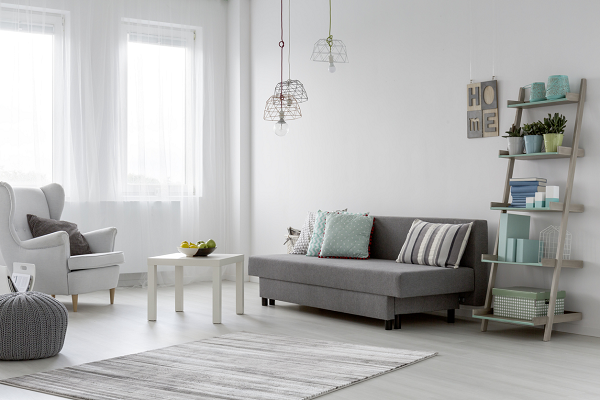
If you want to turn your spare bedroom into a multipurpose room, the first thing you should do is swap out the bed for a sofa bed. The main reason why is floorspace, a proper bed will have a large footprint on a room and restrict what else can be done in the room, whereas a sofa bed will take up less space when in the sofa setting. Having a sofa bed also allows you to use it as a sofa, which is perfect for a movie room.

Blinds For Day, Blinds For Night

Usually in a bedroom, you’ll have blackout blinds on the window to keep the room dark at night, which is perfect for when someone is sleeping in the room, but no so good when you want to use the room in the day, forcing you to operate in darkness or let all the light in. This can be solved with a set of new double roller blinds, which have a blackout layer for ensuring darkness at night and a dimout layer to keep the room light during the day.

Wall Mounted Storage

In a multipurpose room, wall mounted storage can be a game changer. Free standing storage units will eat up your floor space, which isn’t ideal for a room you intend to use as a home office or a gym, as you’ll have less space to work with. So by using wall mounted storage units like shelves or floating cupboards, you can keep the floorspace open, to allow you space for exercising or to place a desk to work at.