
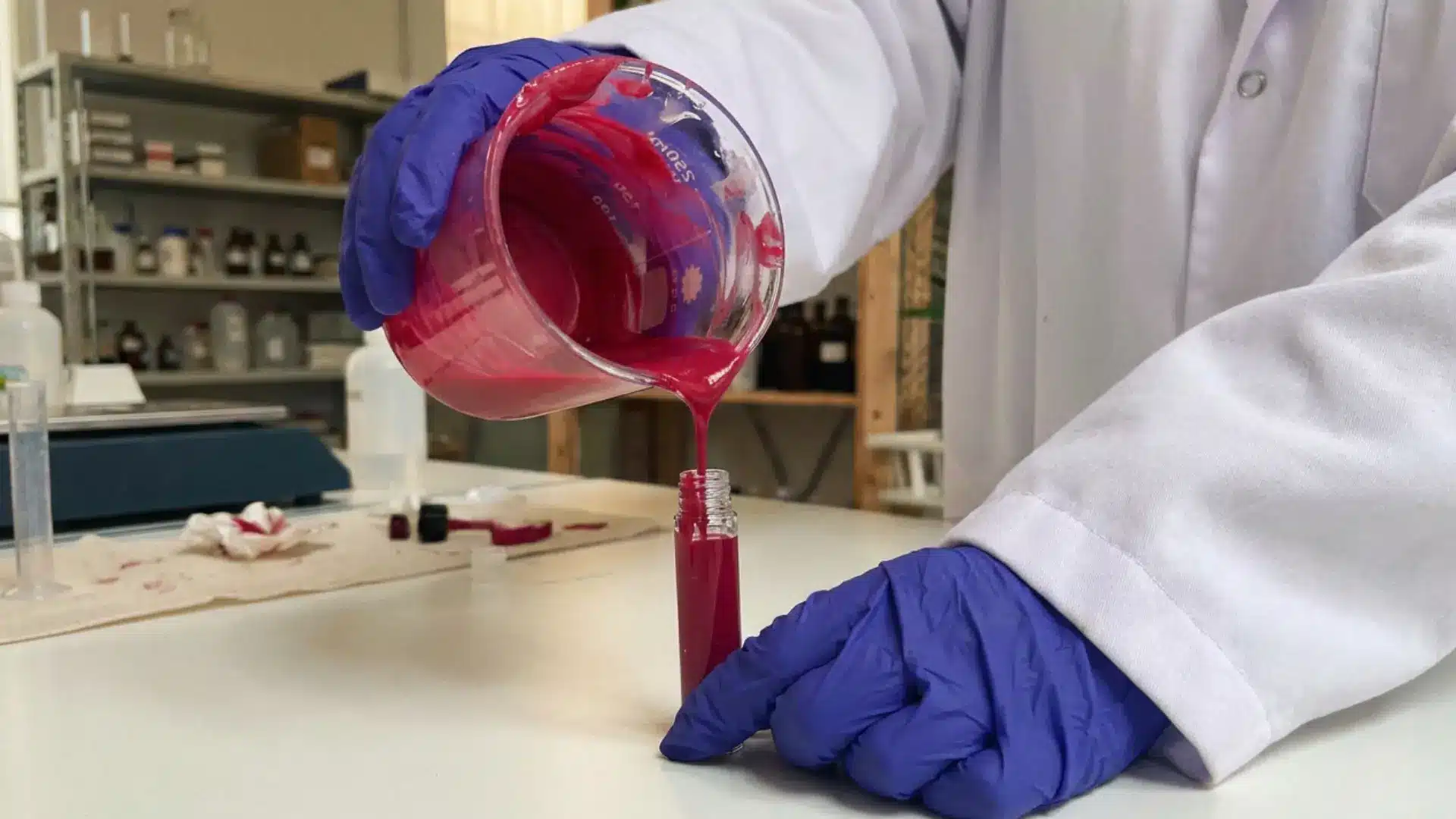

Lip gloss sits in almost every bag, pocket, and bathroom shelf in the world. But most people have no idea what is actually in it.
What is lip gloss made of? At its core, it is a mix of oils, waxes, and shine enhancing ingredients that coat the lips to create that smooth, glossy finish.
Some formulas add color, some add flavor, and some focus purely on hydration.
This article breaks down every ingredient, what it does, and how to make your own at home.
Lip Gloss vs Lip Balm vs Lipstick
Lip gloss is the one that does not take itself too seriously.
Lightweight, shiny, and zero commitment. It sits on top of the lip and reflects light without the heavy coverage that lipstick brings to the table.
Lipstick means business. Higher wax content, full pigment, stays put. Lip balm is purely functional repair, protection, done.
Lip gloss sits right in the middle. You get the shine and the feel without dedicating your whole look to a color.
Clear lip gloss, sometimes called lip gloss transparent, skips the pigment entirely. What is clear lip gloss made of? Exactly the same base oils and waxes as every other gloss, just without the color.
Tinted versions add mica, dyes, or pigment for a sheer wash of color that says something without saying too much.
Ingredient Breakdown
Every lip gloss formula comes down to four core components. This is exactly what goes in and what each one does.
Oils
- Castor oil
- Coconut oil
- Jojoba oil
Waxes
- Beeswax
- Carnauba wax
- Ratio of wax
Pigments and Shimmers
- Mica
- Iron oxides
- Synthetic dyes
Emollients, Vitamins, and Additives
- Shea butter
- Tocopherol
- Flavorings
- SPF, peptides, peppermint oil, hyaluronic acid
How Lip Gloss is Actually Made For You?
Most lip gloss starts in a temperature-controlled lab with a handful of raw materials and a precise production sequence.
The formula looks simple on paper but getting it right takes exact temperatures, the right mixing order, and proper cooling time.
1. Melt the Wax and Oil Base
Waxes and oils go into a heated vessel first. The temperature is raised to between 160°F and 185°F until everything melts into a single, smooth liquid.
Beeswax and carnauba wax need the most heat. Oils like castor and jojoba are added once the waxes have fully melted. Get this stage wrong and the gloss feels gritty on the lip.
2. Add Pigments and Shimmers
Once the base is fully melted and blended, the heat drops slightly to around 140°F. Pigments, micas, and iron oxides go in at this stage.
Adding color too early, while temperatures are too high, can cause pigments to bleed or shift. Everything gets mixed thoroughly until the color is fully and evenly distributed through the base.
3. Blend in Additives and Fragrance
The last stage is where the formula gets its finishing touches. Everything sensitive to heat goes in here. Added too early and the effectiveness drops significantly.
- Vitamin E (tocopherol) added for skin conditioning and to extend shelf life
- Shea butter blended in for a creamier, more nourishing finish
- Flavorings and fragrance oils always go in last as heat breaks them down fast
- Active ingredients like SPF, hyaluronic acid, or peptides go in below 130°F (54°C) to stay effective
4. Cool, Pour, and Fill
The finished formula gets poured into tubes, pots, or wand applicators while it is still liquid enough to flow.
it then cools at room temperature or in a controlled cooling chamber. Pouring too fast causes air bubbles. Pouring too slow, once the formula starts to set, causes uneven surfaces and poor texture.
Commercial production lines use automated filling machines to keep this step consistent across thousands of units.
What Animal is Lip Gloss Actually Made From?
Some lip glosses contain animal-derived ingredients and most people have no idea.
Carmine, a red pigment made from crushed cochineal insects, shows up in pink and red shades. Lanolin, sourced from sheep’s wool, appears as an emollient in many formulas.
Is lip gloss made out of whale sperm?
The whale sperm question gets searched more than you would think. Spermaceti, a waxy substance from sperm whale oil, was a common cosmetic ingredient for decades.
It is not used in mainstream lip gloss anymore. Plant-based waxes like carnauba do the same job.
Check for certified vegan on the packaging if avoiding animal-derived ingredients matters to you.
DIY Lip Gloss
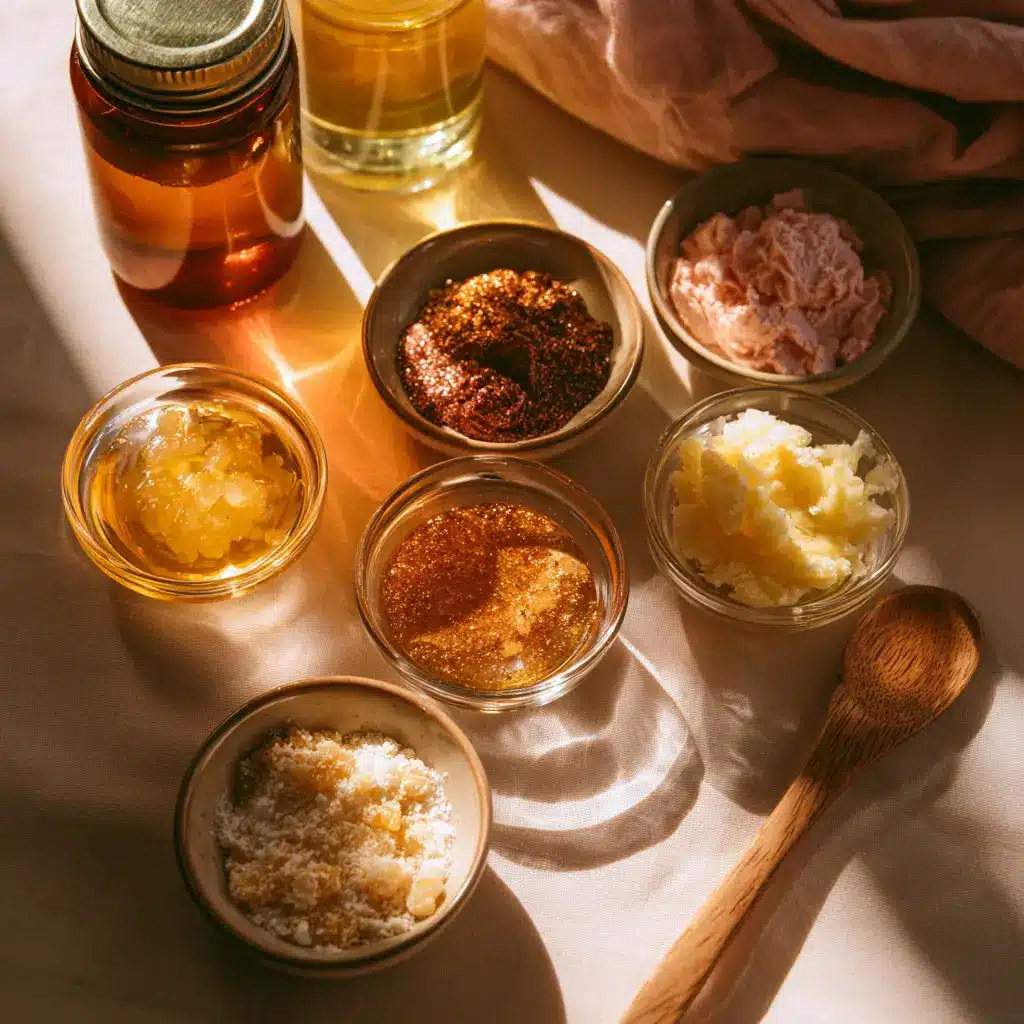
Making lip gloss at home is straightforward. You need a handful of ingredients, a double boiler, and about 20 minutes.
The result is a clean, customizable formula with no mystery ingredients.
What You Need?
- 2 tbsp castor oil
- 1 tbsp beeswax pellets
- 1 tsp coconut oil
- ½ tsp shea butter
- ¼ tsp Vitamin E oil
- 5–10 drops flavor oil of your choice (vanilla, strawberry, mint)
- Mica powder or cosmetic-grade pigment (optional, for tinted version)
- Small glass jar or empty lip gloss tube for storage
1. For Clear Gloss
Combine castor oil, beeswax pellets, coconut oil, and shea butter in a heatproof bowl over a small saucepan of simmering water.
Heat gently, stirring until everything melts together into a smooth liquid at around 160°F (71°C). Remove from heat. Add Vitamin E oil and flavor drops and stir well.
Pour immediately into your jar or tube before it starts to set. Cool at room temperature for 30 minutes before use.
2. For Tinted Gloss
Follow the same steps as the clear gloss above.
Once the mixture is off the heat and slightly cooled to around 130°F (54°C), add your color and stir thoroughly until fully blended with no streaks.
A few things to keep in mind before you start:
- Add ¼ tsp mica powder for a shimmery, pearlescent finish
- Use cosmetic-grade pigment for a more opaque, solid color
- Start with less and build up overpigmented gloss is hard to fix
- Never use craft or food-grade glitter cosmetic-grade mica only for anything going on the lips
Stir for at least 60 seconds after adding color to avoid streaks in the finished gloss
How Long Does Homemade Lip Gloss Last and How to Store it?
Store your gloss in a clean, airtight jar away from direct sunlight.
Homemade lip gloss lasts 6 to 12 months depending on the oils used. Coconut oil has a shorter shelf life than castor oil, so add Vitamin E oil as a natural preservative to extend it.
If the gloss smells off or changes texture, discard it.
Always use a clean finger or a small spatula to scoop product out of a jar.
Dipping dirty fingers into the formula introduces bacteria and shortens the shelf life faster than anything else. For tube or wand formats, keep the cap on tight between uses.
If the gloss smells off, looks separated, or has changed texture, discard it. Label your jar with the date you made it.
It takes two seconds and saves you from guessing six months later whether it is still good.
Tips for Choosing a Lip Gloss
Not every lip gloss is worth your money. The ingredient list tells you everything you need to know before you buy. Read the label before anything else.
The first three ingredients make up the bulk of the formula. If mineral oil or synthetic fragrance sits at the top, that is a low-quality base.
Look for nourishing oils like castor oil, jojoba oil, or coconut oil in the first five ingredients.
Choose waxes like beeswax or carnauba wax over synthetic thickeners for better texture and staying power.
Avoid formulas with parabens, artificial dyes listed as FD&C colors, or “fragrance” as a catch-all ingredient if you have sensitive lips.
Vitamin E or tocopherol near the end of the list is a good sign. It means the formula has a natural preservative built in.
Final Thought
Knowing what lip gloss is made of changes how you shop for it. From castor oil and beeswax to mica and Vitamin E, every ingredient has a job.
Clear or tinted, store-bought or homemade, the formula is simpler than most people think.
If you want full control over what goes on your lips, making your own lip gloss at home is easier than it sounds and worth trying at least once.
Frequently Asked Questions
1. Is Lip Gloss Safe to Use Every Day?
Yes, most lip gloss formulas are safe for daily use as long as you are not sensitive to any of the listed ingredients.
2. Can You Use Lip Gloss as a Highlighter?
Yes, a clear or shimmer gloss dabbed on the cupid’s bow and inner corner of the eyes works as a quick highlight.
3. Does Lip Gloss Expire if Never Opened?
Yes, unopened lip gloss typically lasts 2 to 3 years but should be discarded if the texture or smell changes.
4. Can Lip Gloss Cause Chapped Lips Over Time?
Yes, glosses with synthetic fragrance or menthol can dry lips out with repeated use by irritating the skin barrier.
5. Is it Possible to Make Lip Gloss Without Beeswax?
Yes, carnauba wax or candelilla wax are plant-based alternatives that work as direct substitutes in any homemade formula.