From Zero to Hero: How to Grow Your Own Vegetable Garden from Scratch

If you’re looking to save money on groceries, or simply want to know where your food comes from, growing your own vegetable garden from scratch is the way to go! This blog post will teach you everything you need to get started, from choosing the right vegetables to preparing the soil. Gardening can be a lot of fun and very rewarding – not to mention, it’s a great way to get some exercise!
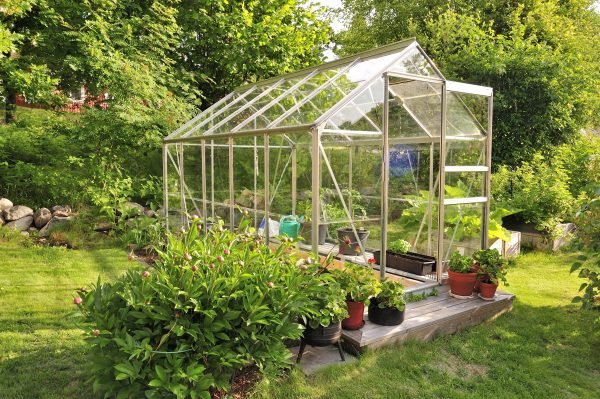
1) Choosing the Vegetables

The first step in growing your own vegetable garden is to choose the vegetables you would like to grow. When selecting vegetables, think about what you like to eat and what grows well in your local climate. Make sure to select varieties that require similar amounts of sunlight and water, so they will all be ready at the same time. Do some research on different types of vegetables and pick out ones that have a shorter growing season, as this will give you more harvests throughout the year.

2) Preparing Your Soil

Once you have chosen the vegetables you would like to grow, the next step is to prepare the soil. Start by removing any weeds or stones from your garden area and testing the soil pH levels. If they are too low, add some organic matter such as composted manure or peat moss to raise them. It’s also a good idea to add a slow release fertilizer to your soil before planting your vegetables.

In addition, make sure your soil is well-drained so the roots of your vegetables don’t become waterlogged. Portable grow rooms are ideal if you’d like a controlled environment for your vegetables to grow. If needed, build raised beds or use a rototiller to loosen up clumpy soil and improve drainage.

3) Planting Your Vegetables

Now it’s time to start planting! When putting the vegetable plants in the ground, make sure you keep them at least 6 – 8 inches apart from each other to allow for proper growth. Don’t forget to give them enough space for air circulation as well. Water your plants thoroughly after planting and then continue watering regularly throughout their growing season. Also, make sure you provide some type of shade if necessary, as too much direct sunlight can be damaging.

4) Caring for Your Vegetable Garden

Once your plants are in the ground, you will need to make sure they stay healthy. This means keeping an eye out for pests, weeds and disease. Make sure to remove any diseased leaves immediately and keep up with your weeding. You can also use organic pest control methods such as companion planting or spraying a mixture of garlic and water on the stems of your vegetables if needed.

In conclusion, starting a vegetable garden from scratch might seem like a daunting task, but with the right knowledge and preparation, it doesn’t have to be. With some patience and dedication, you can easily grow your own fresh vegetables at home! So get out there and start planting!


How to Utilize a Bar Table and Stools in your Dining Room

Image: https://unsplash.com/photos/XsP4jD0ZIK4

The beauty of interior design is that there are no real rules. We can design our homes to suit our own personal tastes and preferences, and experimentation can often create surprising and exciting results.

The dining room is often the focal point of our homes. It’s where we eat and spend time with our loved ones, and it is also a space where we invite guests such as friends or extended family. For this reason, particular attention must be paid when we are furnishing and designing our dining rooms. Form and function must be perfectly balanced; the space must be pleasant and inviting as well as practical. How can a bar table and stools be utilized in the dining room? Let’s find out.

Why Use a Bar Table?

A bar table might seem like a bit of a strange choice for a dining room, but there can actually be many situations in which it would be the perfect fit. Small homes could greatly benefit from a

bar table. It will free up lots of additional floor space that would otherwise be dominated by a full-sized dining room table.

Bar tables are ideal for young professionals who need to eat quick meals. In our busy modern lives, we often don’t have time to sit down for a full breakfast every morning. A quick coffee and a few biscuits at your bar table can be the quick and efficient breakfast you need.

They Can Look Incredibly Stylish

If a bar table sounds like just the thing your busy life is calling for, you might be wondering what a bar table would actually look like in your dining room. Thankfully, you’ll find that a bar table can be incredibly stylish. It can give your home a modern, chic look that will immediately impress guests and visitors. Rather than the often stuffy traditional dining table, your bar table will create a sense of playful sophistication and make your home seem hip and bohemian. Check out Price Busters dining room sets to find the perfect bar table for your home.

Get Creative With Your Decorations

Bar tables might offer you less surface area than full-size dining tables, but that doesn’t mean you can adorn them with table decorations. You’ll just need to be more selective about what decorations you choose. Traditional table decorations might not be suitable for a bar table, so this is where you need to get creative and start thinking outside the box.

Opt for decorations that compliment the stylish nature of your bar table. Think of repurposed household items such as candles made out of empty wine bottles, for example. A modern, cool lamp can also be a good addition, as can a small ornament or houseplant.

Conclusion

A bar table can be an incredible addition to any dining room, especially in smaller homes. They are perfect for young professionals who don’t have time for breakfast and need to eat on the go. What’s more, bar tables are extremely stylish and allow you to get creative with your decorations and design choices.

Best Changes to Make Your Garden More Inviting and Enjoyable

Your garden can be an oasis of relaxation and beauty, and it doesn’t have to be difficult to transform your space into an inviting and enjoyable retreat. Whether you’re starting from scratch or just wanting to spruce up an existing garden, there are some simple changes that can make a big difference. From adding seating and lighting to creating a focal point or growing vertical gardens, there are a variety of ways to make your garden more inviting and enjoyable. With some imagination, creativity and dedication, you can turn your garden into a place of beauty and tranquility that you and your family can enjoy for years to come.

Adding seating

Whether you’re entertaining guests or just enjoying some quiet time in your garden, having seating options available is a great way to make the space more inviting. For example, a nice way to create a lot of seating in your garden is by adding a summerhouses. If you already have a patio or deck, you can hang a hammock from it, you can also create an inviting outdoor space that’s perfect for reading or relaxing. If you have limited space or want to create a cozy seating area in your garden, chairs with built-in benches with seating are a great way to maximize small spaces and make them more functional.

Adding lighting

If you’re looking to extend your use of your garden past sunset, adding lighting can be a simple and easy change that can make a big difference. There are lots of different types of garden lighting, including string lights, lanterns and spot lights, which can be used to add ambiance and create a warm and inviting mood. For example, string lights are simple and easy to install, and they work well in smaller gardens. Lanterns are a more decorative option that can add a warm glow and create a more expansive feel to your garden. 

Creating a focal point

Whether you’re adding a garden bed or building a feature, creating a focal point in your garden is a great way to make the space more visually appealing. There are lots of different ways you can create a focal point in your garden, whether you’re building from scratch or just adding to an existing landscape. For example, gazebos or a garden bed can add interest and create a focal point in your garden.


How To Become More Self-Sufficient At Home

With climate change impacting global farming, conflicts unsettling energy supplies, and many more issues making it more and more difficult to access essential resources, it’s never been a better time to start becoming self-sufficient. Not having to rely on unstable sources will give you independence and freedom like you would not imagine, and you’ll be saving a considerable amount of money in the process too. 

Thankfully, this guide contains some of the best steps that you can follow to become more self-sufficient, helping you begin your journey to a fully independent homestead before you know it! So, what are you waiting for? Read on to discover more!

Rearing Your Own Animals 

One great step that you can follow to become more self-sufficient is to rear your own animals. Rearing animals can be so much fun, but it’s certainly a big responsibility that takes a little time and energy to master. A great animal to start off with is chicken, as they’re pretty easy to care for and can provide you with fresh, delicious and organic eggs every single week. If you live on a large plot of land, you may want to progress to a goat or two – they can keep grass trimmed meaning you no longer need your lawn mower, and they can give you fresh, nutrient rich milk too. You can even create your own bee hive if you’d like to have some gorgeously golden honey, honeycomb and beeswax – all super useful and valuable items, especially for someone leading a self-sufficient lifestyle. 

Growing Your Own Fruit & Vegetables 

Another brilliant step that you can follow to become more self-sufficient is to grow your own fruit and vegetables! Unfortunately, most of the fruit and veg that you can buy from the grocery store is covered in chemical pesticides and may even be seriously genetically modified, making them far unhealthier than they could be. When you take the time to grow your own produce at home using organic methods, you’ll be able to enjoy the freshest, most nutritious fruit and vegetables that have an intense flavor and a vitamin punch. Take some time to look online to find the essentials you need for your garden, as it can be pretty simple to set up a great vegetable patch when you have the right tools for the job. From tomatoes to strawberries, potatoes, basil, and zucchini, there are so many options to grow. 

Get Your Own Power Source 

There are so many different types of power sources that you can utilize in today’s modern world, so there’s really no need for you to have to rely on the grid for your electricity. A great idea that you can implement without too much hassle is solar paneling, as this will allow you to generate and store power that’s converted directly from sunlight. You can also make the most of handy tricks such as burying your heater beneath the ground, as this can help to keep it insulated for free! 

How to Avoid Roof Damage from Trees

Overhanging tree branches are one way that trees can harm your roof. In the event of a windstorm, a branch could break and fall onto your roof. Read more to prevent this from happening.

We are all aware of how important the roof is to the overall structural integrity and aesthetic appeal of your house. It goes without saying that we wish to protect it in every manner we can. However, trees are an unexpected source of roof damage.

Keep the following dangers in mind to keep your roof in good condition and to prevent the possible impact of trees on your roof.

Falling over

Fallen trees may be the problem that causes the most damage to roofs. Even if the trees are only medium or small in size, they can still fall through the roof of your home, inflicting extensive damage that may take some time to fix. It could fall as a result of illness or injury during a storm, such as lightning strikes and high winds.

Overhanging branches

If you have a tree overhanging your roof, the branches may be close enough to touch it, especially if they are blown by the wind. Tree branches that aren’t pruned could hang over your roof. During a windstorm, if these branches come in contact with the roof or brush up against it, they may scrape the roof’s exterior protective layer and could cause leakage. This scraping is bad for your roof and can cause it to get worse over time.

Dropping leaves from trees

Leaves can also cause problems on your roof by clogging gutters and encouraging the growth of moss and algae. As moisture is trapped in the growing leaf litter, dead leaves will begin to decay. Your roofing may rot and decay as a result of this, and if the decay is allowed to continue, it may spread to the system’s deeper parts. If deterioration is allowed to spread and the weight of the piling leaf debris increases with each storm, your entire roof may become vulnerable. In the end, this results in significant roof damage.

What you can do to prevent roof damage from trees?

Cut down the unstable tree

Older trees that are decaying due to termites or insects are a bad sign. Trees that are unstable or very ill should be swiftly cut down so they won’t have a chance to fall onto your roof as it can cause extensive damage and lead to costly repairs.

Trim the tree

It’s important to have enough space between the branches and the roofing surface. Tree branches that are too close to the roof should be cut. The best course of action is to trim back overhanging branches to stop them from hitting your roof.

Prune the tree

Young trees should be pruned to regulate development; frequent pruning will result in stronger branches and trunks that are less prone to fall off in a storm. Consulting Arborists will give you a comprehensive viewpoint on tree pruning to ensure the safety, health, and preservation of trees. Keeping the tree branches pruned can also prevent small animals from gaining access to your rooftop.

How far should tree branches be from your roof?

The tips of a tree’s branches should be at least six feet away from the roof, according to infinite roofing. To keep the branches a safe distance from the house, trees must be placed 20 to 30 feet away.

Your property can gain from trees in a variety of ways, trees can improve your landscaping, offer shade and protection, shield your home from strong winds, and aid in preventing soil erosion, they can also cause damage to your roof and eventually the rest of your home if they are not properly managed. It’s critical to understand how tall, overhanging trees can harm your roof in the first place if you want to reduce the negative effects, they can have on it.

How to Create a Cozy Winter Garden Lounge

This winter, why not turn your garden into a cozy winter garden lounge? After all, why should you only enjoy your garden during spring and summer? There is so much joy to have even in winter in the garden. To help you get started, we’ve put together some tips and tricks on how to create the ideal winter garden lounge. Think of it as an extension of your living room to design the ultimate winter garden lounge that you and your family will enjoy for years to come.

Unsplash – CCo License

The Importance of Relaxing Away from the TV Screen

It is easy to fall into the habit of spending the festive season in front of the TV. But this sedentary lifestyle can take a toll on your health, both physically and mentally.

Physically, too much sitting can increase your risk of obesity, heart disease, and diabetes. It also reduces energy levels and weakens bones and muscles due to lack of movement. Mentally, too much television watching can leave you feeling lethargic and unmotivated and can contribute to depression. 

The good news is that a winter garden lounge is a great way to enjoy the festive season without relying on the television. 

Creating a Sheltered Heated Area

Creating a sheltered, heated area in your garden to lounge in this winter is the perfect way to relax away from screens and keep warm. Here are some easy steps to get you started:

  • To keep your space cozy and warm, you may want to consider investing in patio heaters. 
  • If you’re not near a wall or fence that can provide protection from the wind, you may want to look into buying some wind-proofing. 

Picking Cozy Furniture

When it comes to picking cozy furniture for your winter garden lounge, there are a few things to consider. The key is to find pieces that will keep you warm and comfortable, even in the chilliest weather. Here are some ideas for furniture that will make your winter garden lounge both inviting and functional.

For starters, try out a cozy outdoor sofa set. Look for pieces with weatherproof upholstery and deep, comfortable cushions. If you’re going for a rustic look, look for a sofa set made from teak or wicker. Or opt for a modern-style outdoor sectional with stylish, sleek lines.

Complement your outdoor sofa set with plenty of blankets and pillows. Not only will this add some extra warmth and comfort to your garden lounge, but it also makes a great design statement.

Preparing Simple Finger Foods for Snacking

Finger food is the perfect addition to any outdoor lounge experience because it’s easy to serve and eat and can be enjoyed without needing to sit down at a dining table. For an extra special touch, consider offering dishes that are made with seasonal ingredients such as apples, pears, squash, and pumpkins. This will give your guests something special to remember your gathering by!

Having finger food available is also an excellent way to keep your guests warm and comfortable during cold winter nights. Snacks like mini pizzas and decadent brownies are likely to be popular and will definitely help keep everyone’s spirits up. You can learn how to make the best cosmic brownie here. It’s the ideal treat with a cup of hot cocoa! 

Hopefully, these few ideas can help you make the most of your winter garden to entertain your guests. 

4 Areas Aspects of Curb Appeal That’s Vital to The Overall Aesthetic of Your Home

When it comes to the overall aesthetic of your home, curb appeal is key. This means making sure that your home looks good from the street. However, it’s not just about having a nice front yard; you also need to pay attention to the details around your home. In this blog post, we will discuss four areas that are important when it comes to curb appeal. We’ll also provide tips on how to improve each area!

Exterior Paint:

The exterior of your home is the first thing people will notice, so it’s important to make sure that it looks good. Make sure to choose a paint color that compliments your house and won’t fade over time. You’ll also want to consider the style and age of your house to get a timeless look. If you cannot paint the entire exterior of your home, consider painting the front door or accent walls instead. Don’t forget to add a fresh coat of paint every few years to keep your home looking its best.

Landscaping:

A well-maintained lawn is often the difference between an inviting house and one that looks neglected. A professional landscaper can help you choose plants, trees, shrubs, and flowers that work with your home’s aesthetic as well as the climate in your area. Adding a stone pathway or flower bed borders also helps to define your yard and give it a more finished look. If you want to get creative, you can add garden art or birdbaths to spruce things up even more. Additionally, making sure your grass is mowed regularly, and weeds are pulled will give your curb appeal extra points.

Garage:

The garage is often one of the first parts of your home that people will notice when they come to visit. This makes it essential for you to pay attention to its overall aesthetic and how it fits in with the rest of the house. Make sure that if you have a detached garage, it has fresh paint and looks inviting, and if you have any damage research the potential Garage Door Repair Cost. If yours is attached, ensure it’s well-maintained and doesn’t detract from the rest of your home’s curb appeal. In addition, consider adding a flower bed or other decorative elements near your garage entrance to create an extra touch of beauty.

Fencing:

Fencing can be both functional and aesthetically pleasing at the same time. You can install a low picket fence for a charming look, or you can go with a more modern metal style if that suits your taste. No matter what type of fencing you choose, it will help define your property’s boundaries and add an extra level of protection. A good-looking fence is also one of the best ways to instantly upgrade your home’s curb appeal.

When choosing a type of fencing for your property, take into account the size and shape of your yard and the overall architectural style of your home. Consider whether you want privacy or just need something to separate different parts of your garden. You may also consider adding gates or other elements to create an inviting entryway into your property.

Many elements go into making sure your home has great curb appeal. Focusing on the four areas discussed in this blog post will give you a good starting point for improving the overall look of your property. Whether you choose to paint, landscape, upgrade your garage door, or add fencing, these tips should help you make your home look its best.

Keep Your Garden Beautiful & Flourishing In These Major Ways

If you have a garden, then you are probably going to want it to be as beautiful as possible. After all, that is more or less the whole point of a garden, and it’s what most people would hope for and expect when they are walking into a garden. But it’s one thing wanting that, and quite another knowing how to actually make it a reality. In this post, we’ll take a look at some of the main ways in which you can get your garden truly flourishing and really beautiful. These tips are definitely going to help.

Take Care Of The Perennials

Any perennial plants that you have in the garden are going to deserve and require extra care. After all, they are a central and important part of how the garden looks at all times, all year round, so the healthier and happier they are, the more beautiful the entire garden will look. To achieve this, be sure to prune them at the right times, and to carry out tree lopping where necessary in order to encourage strong new growth. That is the kind of thing that will help a lot, and bring great benefits to the whole garden.

Keep It Diverse

One of the main qualities that most people would agree to wanting in their gardens is diversity. The more of a diversity of plants you have, the better the whole space will look. In particular, aim for as many different flowering plants as you can. There is nothing better than when you have a real riot of colors in the garden, so that is something that you are certainly going to want to aim for. With a little more diversity of plants, your garden is going to look so much more beautiful and will truly flourish.

Learn How To Water Properly

It might sound strange, but the truth is that not everyone knows how to water their garden properly or appropriately. Most people, in fact, are either under-water or overwater, and this is something that is really hard to avoid. Part of the problem is that each plant will have its own particular needs, and you need to consider that. In general, however, regular small watering sessions is better than one huge amount in one go, so remember that – and make sure to water in the early morning or last thing at night, for it to be more effective.

Know Your Region

There is a lot of talk about keeping native plants in the garden. While there is something to be said for that, the truth is that you can really have whatever plants you like. However, it’s good to be aware of the region you are in, so that you can look after your plants as effectively as possible. That’s what really matters. Know your region, and what plants work and don’t, and you’ll be a lot more likely to keep a garden that is really beautiful. This is vital to remember, so make sure not to overlook it.

Benefits of Using Anti-Allergy Mattresses

Introduction

If you or someone you know suffers from allergies, a good night’s sleep can feel like an impossible dream. Using anti-allergy mattress toppers and pillows like this allergy mattress protector may be just what you need to achieve a deeper, more restful sleep! But what is an anti-allergy mattress? How do they work? And how can they help people who suffer from allergies? In this guide, we will answer all those questions and more so that when you’re ready to buy one of these products for yourself or someone else in your life, you’ll know exactly what it does and how best to use it.

Dust Mites: How Do They Affect Our Health?

A dust mite allergy is caused by a microscopic bug (actually a small arachnid) called a dust mite. These bugs live in your bed, where they eat dead skin cells that you shed while you sleep. Dust mites are one of the most common causes of allergies, and they can cause symptoms such as sneezing, runny nose, and itchy eyes when you breathe them in or absorb them through your skin.

Dust mites love warm and humid areas because this helps them survive better; as such, they tend to thrive more in beds than anywhere else in your home. They also prefer mattresses with soft surfaces because these provide an ideal environment for laying eggs—which makes sense since people spend about eight hours sleeping on their mattresses each night!

How Do Anti-Allergy Mattresses Work?

Anti-allergy mattress covers

Mattress covers are made of woven fabric, which is more breathable than other types of materials. They are designed to let air in and out of your mattress easily, allowing moisture to escape as you sleep. This helps prevent mold from growing on your mattress and also prevents odors from forming inside the bedding. This can be especially helpful if you live in a humid climate or are prone to sweating at night during hot weather conditions such as summertime when temperatures rise above 80 degrees Fahrenheit (26 degrees Celsius).

Dust Mite Covers

Dust mites are tiny insects that live in mattresses and pillows, feeding off human skin cells that accumulate over time due to physical activity while sleeping. Dust mite covers act as barriers between these pests and you so they cannot access your body through respiration or contact itching caused by bites on sensitive areas such as arms or legs – which commonly occurs during sleep time due to too much movement while turning around under sheets (elevating levels above 12 inches), tossing blankets onto surfaces where they may settle back down again later when folded neatly after washing them several times before reuse.”

How to Choose a Good Anti-Allergy Mattress

Choosing the right anti-allergy mattress is very important. If you have allergies, you should make sure that your mattress is hypoallergenic. A good way to do this is by looking at the cover of your mattress and checking for labels that say “hypoallergenic” or have washing instructions on them. If a label doesn’t tell you how to clean it, then it may not be safe enough to use in an allergy sufferer’s home.

If you are looking for a good warranty with your purchase, look for one with at least ten years left on it! This will ensure that if something happens during those ten years (such as bed bugs), then there will be no problem getting a new mattress delivered right away!

Final Words

There are many benefits to using anti-allergy mattresses, but the most important thing to consider is finding one that fits your needs and budget. When shopping for a mattress, make sure you buy one from a reputable brand and ask questions about the product’s durability and construction. If you’re looking for more information online, there are plenty of websites dedicated to helping consumers find the best anti-allergy mattresses on the market today.

Allergies can be a real pain, but there are ways to make your bedding more comfortable for sensitive people.

Allergies can be a real pain, but there are ways to make your bedding more comfortable for sensitive people. Anti-allergy mattresses are one way to do this. They reduce the number of allergens in the bedroom by trapping particles and dust mites that can trigger reactions in people with asthma or eczema.

Allergic reactions can be triggered by many things, including dust mites and pet dander. Dust mites live in mattresses, upholstery, and carpets – so if you have pets or children who share a room with you (which is common these days), chances are your mattress has some form of allergen floating around it!

By using an anti-allergy mattress like ours here at Allergy Mattress Company, you’re guaranteed a good night’s sleep without having to worry about waking up feeling drained thanks to sneezing fits throughout the night!

Conclusion

We hope that this article has given you some great ideas on how to choose the best anti-allergy mattress for you. Remember: there are plenty of options available, so don’t be afraid to try a few different types before settling on one! Good luck with finding your perfect match—and remember to think about what matters most in your next purchase.


Simple Ways to Maintain Your Commercial Kitchen Equipment

Introduction

There’s a certain appeal to having a commercial kitchen that looks like it belongs in a restaurant or professional kitchen. But the truth is, these kinds of kitchens are often dirty, messy, and poorly maintained. For this reason it is important that you have proper staff training to ensure they understand how to work the equipment and how to clean and maintain. That’s why I’ve put together this list of easy ways you can maintain your restaurant kitchen equipment without much effort at all.

Performing regular maintenance on your equipment can improve your safety, preserve your investment and extend the life of your appliances.

  • Performing regular maintenance on your equipment can help you avoid costly repairs.
  • Regular maintenance can help you avoid foodborne illness.
  • Regular maintenance can help you avoid injuries.
  • Regular maintenance can help you avoid fire hazards.

If you’re not sure when to perform maintenance, consult your owner’s manual or contact the manufacturer for recommended times.

  • Consult your owner’s manual.
  • If you don’t have access to the manufacturer’s instructions, call them directly and ask for their recommendations as to when you should perform certain maintenance tasks.
  • Look online for help from other chefs or food service managers who may have dealt with similar problems in their kitchens.
  • Keep a calendar and add reminders of upcoming maintenance dates, including scheduled service calls (if applicable). Make sure it’s easy for everyone on staff to reference this calendar so that everyone is aware of what needs to be done when it needs to be done, and by whom!
  • Use checklists! I love checklists; they make me feel like I’m accomplishing something important even when I’m just hanging out at home watching Netflix all day long (which isn’t often).

Before performing any service work yourself, make sure you know how to do it safely and correctly.

  • Make sure you know how to perform the service work safely and correctly.
  • Ask for help if you don’t know what to do. It’s better to ask a qualified expert than take a chance on doing something wrong, which could result in injury or property damage.
  • Never take shortcuts or chances when working with kitchen equipment—and never use kitchen equipment that is broken or damaged.

For equipment with filters or grease traps, clean them every week or so.

For equipment with filters or grease traps, clean them every week or so. Filters are easy to access and clean, but grease traps can be challenging to get to depending on the type of commercial kitchen equipment you’re working with. In most cases, however, they’re fairly accessible and can be cleaned in a matter of minutes.

To clean your filter:

  • remove it from its cover (if it’s removable)
  • rinse out any debris that may have collected inside
  • wipe down any surfaces that are exposed

Check for wear and tear weekly. If a part is missing, broken, or worn out, replace it immediately.

  • Check for wear and tear weekly. If a part is missing, broken, or worn out, replace it immediately.
  • Replace any damaged parts immediately to avoid further damage to the equipment or injury to you or your staff.
  • Missing parts should be replaced right away because they can cause further damage to other parts of the machine if left in place for an extended period.

After cleaning items like ovens, stoves, or fryers, turn them off completely to let them cool down.

After cleaning items like ovens, stoves, or fryers, turn them off completely to let them cool down. Open the door and let the appliance cool down before you touch anything inside it. Don’t open it immediately after turning it off; wait until it has cooled to a safe temperature.

Make sure there are no gas leaks or loose electrical connections before using any equipment.

You should always make sure there are no gas leaks or loose electrical connections before using any equipment. If there is a leak, it could lead to an explosion; if there is a loose connection, it could electrocute you.

When you have major repairs done on equipment, be sure to have it inspected by an authorized technician before using it again.

After the repairs are complete, have a technician inspect your equipment before using it again. An authorized technician will not only make sure your kitchen is properly cleaned and sanitized, but they’ll also make sure you have the right equipment for your business.

If you are unsure of who is doing the inspection, ask them to show their credentials first. If they refuse or seem uncomfortable with this request, ask for someone else instead.

Making sure your equipment is clean and well-maintained will keep you safe and save you money in the long run.

Making sure your equipment is clean and well-maintained will keep you safe and save you money in the long run.

To ensure that your commercial kitchen equipment is always operating at its most efficient level, it’s important to maintain it regularly. To do so, here are some simple steps that will help:

  • Cleaning – Keeping your equipment clean is essential for keeping it functioning properly and safely. Cleaning the outside of a refrigerator or freezer can help prevent the build-up of ice crystals that may cause damage to internal components. Additionally, making sure that all surfaces are wiped down regularly will help prevent foodborne illness from occurring due to bacteria buildup.
  • Checking for Damage – Checking for any signs of damage or wear regularly helps ensure that repairs are made before they become serious problems! If there are any cracks or dents in metal parts such as handles or hinges then these need repairing as soon as possible because this could lead to further problems later on down the line (e.g., rust). If electrical components show signs of malfunction then they should also be checked out by a professional before using again since damaged wires could cause fires if left unattended too long (and who wants their kitchen going up in flames?).

Conclusion

We hope you enjoyed our brief guide on how to maintain your commercial kitchen equipment. Maintaining your equipment is an important part of running a successful business and keeping yourself safe from injury or damage. If you are looking for more information about how to care for these appliances, consider contacting us at commercial kitchen appliance maintenance.