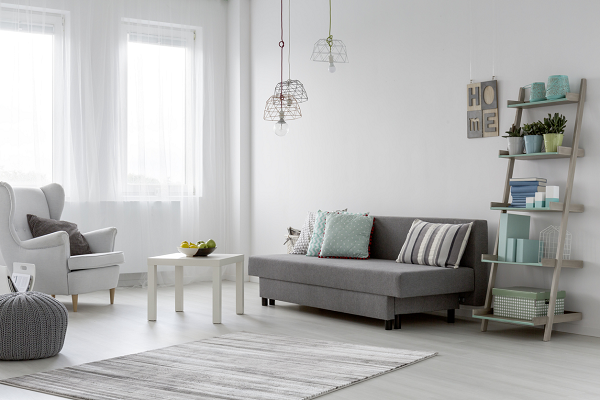
How To Keep Your Home Looking Beautiful Year-Round

A beautiful home is a happy home, so it’s worth taking the time to figure out how you can make it look more appealing. Be glad to know there are several ways for how you can make it more attractive all year-round.

It’ll take an effort on your part but know that all your hard work will pay off in the long run. You’ll not only enjoy your space more and feel more comfortable in it, but onlookers and visitors will also notice your updates. It’s a wise idea to keep a checklist handy of maintenance items you should be taking care of during each month of the year as well.

Know When to Call the Professionals

You can keep your home looking beautiful year-round by knowing when you should call the professionals and enlist their help. For example, you may experience water damage due to bad weather or a leak in your home. In this case, you don’t want to put off cleaning this mess up, and instead, you should contact the experts at trilink.pro to take a look and help you restore your property.  

Follow A Cleaning Schedule

It can be challenging to keep up with the cleaning when you’re a busy and working parent. Therefore, follow a schedule that will help to ensure you stay on track with your tasks. It’s also a wise idea to clean up messes throughout the week and sweep your floors regularly. Your home will not only look more beautiful, but you’ll likely all be healthier without so much dirt and grime lurking around. Not only tidy up but also perform a deep clean every so often and declutter your closets and pantry to help you stay organized.

Touch it up with Paint

Paint goes a long way in helping you to improve the look of your home and make it look more beautiful. Touch up areas that are damaged or chipped and consider adding a fresh coat of paint to rooms that are dingy or outdated. You may also want to use paint to make a small bathroom appear larger or as an opportunity to create more excitement in a dull or boring room by painting an accent wall. Another way to modernize your home is to paint wood trim and doors white.

Decorate for the Seasons

You can keep your home looking more beautiful year-round by switching out your décor based on the season. For example, in the summertime, you can display fresh flowers and hang images of the beach and outdoors. During the wintertime, it’s your chance to cozy it up with wreaths, pinecones, and lots of rugs and blankets. Remember also change up the décor on the outside of your home to help boost your curb appeal.

Conclusion

Apply these tips to help you maintain a beautiful and charming home year-round. It’s all about the details and staying on top of your to-do list. All of these improvements will have you falling back in love with your home and enjoying your space more.


Your Outdoor Spring Cleaning Guide: The Ultimate Exterior Home Cleaning Checklist

When springtime rolls around the corner, it’s time to begin your spring cleaning! Before you start to dig through closets and deep clean your home’s interior, consider starting with exterior home cleaning.  If you’re not a DIYer, you may consider calling in professionals like evergreen cleans exterior cleaning service.

Get the inside of your home sparkling clean with a few exterior home cleaning tips before you begin to tidy up the inside. Your home’s curb appeal is just as important as what’s on the inside.

To help you get started, we’ve put together a list of some great exterior-cleaning tips. Continue reading below for everything you need to know!

1. Roof Inspections

Just as when cleaning inside your home, be sure to start with the top and work your way down. It wouldn’t make much sense to clean your windows only to have debris from the roof fall onto them later. Because of this, it’s essential to start with the roof.

If you haven’t had a roof inspection done in quite some time, schedule it now. Mold, mildew, and moss can all grow on your roof.  For assitance, check out roof cleaning Vancouver WA.  You’ll also want to check for shingles in need of repair and chimneys and gutters in need of cleaning as well.

2. Pressure Washing

Pressure washing is a great way to clean your home’s exterior, the decking, and the driveway as well. Different types of cleaners and pressure settings are used depending on the type of material you’re cleaning. Be sure to follow the directions on the pressure washer and hire a professional is ever in doubt.

Remove all weeds from your driveway before pressure washing it or having a professional pressure wash it. For homes with vinyl siding, you can use a garden hose and soapy water to wash it clean.

3. Window Screens and Windows

Over time, window screens and windows become caked with dirt and other debris. Fill a kiddie pool with warm soapy water and allow the window screens to soak in the solution. After soaking for a while, gently scrub the screens clean on a flat surface to avoid rips.

Then, rinse the screens off with a garden hose. Be sure to use a gentle setting to avoid damaging the screens. While the screens are in the soaking process, you can tend to the glass on the windows by using a glass cleaner.

4. Freshen Up the Garden Beds

If your garden beds are looking a bit dull, freshen them up by adding new mulch into them. You can also trim your herbs and other plants to keep them well-groomed. If there are any dying flowers or branches, be sure to trim these parts as well.

If needed, plant a few new flowers, herbs, or other plants to really freshen the garden up. Uproot any dying bushes, shrubs, or trees and try this site for rubbish removal.

Start Your Exterior Home Cleaning With These Tips Today!

With spring quickly approaching, it’s time to start some exterior home cleaning tasks using these tips listed above!   Once you check everything off of this list, you can begin cleaning inside your home.

For more posts as helpful as this one, be sure to check back with us on a regular basis!

4 Smart Ways to Add Life to Boring Walls

Dull walls tend to detract from the overall look of your home and this could leave a poor impression on the guest. Once, it was okay to believe that a simple coat of paint is all your walls need.

Now, there are more interesting options available that have nothing to do with paint. Whether you’re into clean neutral colors or you prefer a mix of different but complementary colors on your walls, here a few smart ways to liven up your drab walls.

1 Add some framed photographs or paintings

You can never go wrong with wall art. This option is also perfect for individuals who prefer clean neutral colors rather than a blend of different colors on their walls.

But adding framed photos of friends and family, or artwork on your walls, you can retain the simple look you love while adding some personality to the room.

Consider adding an oversized wall photo for that trendy look or simply hang a collection of beautiful paintings or photos on a section of the wall. Ensure that they are positioned in such a way that they blend with other furnishings in the room.

2 Reflect the elegance of your room with a few carefully placed mirrors

In the world of home design, certain trends will never go away. Attaching mirrors to your walls is one of the best and easiest ways to add depth to a room. This option is also perfect if you have a small space and you want it to look less cramped.

Mirrored walls reflect the contents of the room and this allows them to create the illusion of a larger space. Once again, positioning and coordination are key. Assess the overall design of the room and choose the best spots to add some mirrors.

With mirrors, there’s no one-size-fits-all so you can pick out different shapes and sizes.

3 Transform your walls with some stylish wallpapers.

Paint is not always the answer to a dull, boring wall and  decorative Wallpapers can do more for your walls than you can imagine. Think of the walls in your home as blank canvasses ready for an artist’s touch.

You are the artist and you have an array of different prints, colors, and textures to choose from – look for colours that are opposite on the colour wheel, as they will go the best together. For example, pale pink and sage green interiors can be used to brighten up a space and will compliment eachother beautifully. Add some large prints with intricate designs for a more appealing visual. Choose textures and patterns that suit your taste and add to the design of your home.

4 Vamp up those bare walls with creative lighting

Installing a light fixture and making it a focal point of the room can distract guests from the simple look of the walls. You don’t have to light up the entire room like a stage. Different lights provide different effects and you can choose to combine various lighting options for a unique look.

Attach some string lights to the wall to create an intimate and cozy feel. You could also place some dimly-lit lamps in various areas of the room for an ambient effect.

Walls are probably the easiest parts of the home to decorate. However, you choose to liven up your walls, be sure that it fits with the overall decor of the room.

Friday Favorites Linky Party – Week 521

Please support and follow our lovely blog party hostesses:

Jerri at Simply Sweet HomeTwitter | FB | G+ | Pin | Inst

Lisa at Condo BluesTwitter | FB | G+ | Pin | Inst

Amy at A Day of Small ThingsPin

Penny at Penny’s PassionTwitter | FB | G+ | Pin | Inst

Jennifer at Busy Being JenniferTwitter | FB | Pin | Inst

If you are featured this week, be sure and grab a featured button for your blog!

You can show your love for this week’s favorites by going over and commenting on the posts and by pinning or sharing!

And if you love all of this week’s favorites, please pin, share, and invite your friends to this week’s linky party! [Read more…]

Getting Your Garden Ready for the Upcoming Summer Months

We’ve reached spring and the weather is beginning to improve. The sun is making more of a presence, the days are getting longer, the temperature is rising and we’re starting to get a little less rain, sleet and snow. So, you may be looking ahead to the summer months and anticipating the season many of us love most! Now, summer may be a few months away, but it’s important that you start work on your garden now if you’re going to want to kick back and relax out back when the really good weather finally hits. Gardening is a process and it will take a little time and effort to get things exactly how you want them. Here’s some advice that can help you to achieve this as best possible!

Bring In a Landscape Designer

If you’re planning big changes for your garden this summer, you should start taking a look at different landscape designers nearby. These Landscape Designer, if you want to make sure your landscape is designed professionally, should specialize in completely reworking your gardens to create stunning spaces that meet all of your needs and preferences. They can add in features, such as ponds or water features, they can make all areas of your garden easily accessible, adding in walkways, patios and decking, and all in all, create a more enjoyable space for you to spend time in. During a consultation you should make sure to detail everything you’re intending to use your garden for. Whether that’s lounging in the sun, keeping your kids occupied, hosting summer parties and barbecues, or simply sitting out and reading a book. They’ll be able to craft a space that really ticks all of your boxes!

Bring In a Gardener

If your garden has grown truly unruly over the winter months, it may be beneficial to bring in a gardener to help put wrongs to rights. A gardener can do all sorts when it comes to making your garden look great. They can cut the grass and trim the edges, they can pull weeds, they can dig out flower beds and they can remove any dead tree branches that may pose a risk to people spending time beneath any trees you may have. Most will want a quick look over your garden before offering a quote to determine the amount of work that needs to be done. But this is a simple and often low cost way to get things back onto a good and easily maintainable level.

Do a Little DIY

Once things are a bit more manageable, you may want to try a little gardening yourself. This can be a really rewarding hobby to get into and you’ll see beautiful results the more work you put in. Why not look up a few plants or flowers you might like to plant. You could grow your own vegetables in a patch. You could create your own hanging baskets to place from hooks around the garden. You can create a truly beautiful space of your own accord!

The above process should help you to get a lovely garden ready and in ship shape by the time you want to spend time outside! Put the effort in now and you’ll reap some brilliant rewards in just a few months!

8 Creative Uses of Mirror and Lighting for Interior Design

You spend a third of your life in your bedroom.

Why wouldn’t you want to make the most of your space?

If you’re not 100 percent happy with the way the inside of your house looks, it’s time to do something about it. We understand how costly home renovations can be. However, with the right uses of mirrors and light, you can transform any room on a budget.

To help you out, we’re here to present the top eight ways to light up your house. So take a look! You may find the perfect tip to have the interior decor you’ve always dreamed of.

1. Uses Of Mirrors And Mantles

One of our favorite uses of mirror and lighting tricks takes place in the living room. It’s common for people to put a mirror over their living room mantel. However, we suggest adding in lights to showcase a piece of art on your mantle. You can also mix the two together, and get yourself a wall mirror with lights.

Instead of having a traditional standalone mirror set up, you’ll be able to highlight your space, while putting the focus on a piece of art. You can also choose to highlight a photograph or a small statue.

Next, surround the focus point (the art or photograph) with light. Rather than trying to hang light fixtures, it’s best if you find flat strips of light that can lay discreetly on your mantle.

Guests you won’t notice the special setup is there until you turn the lights on. Once on, the light will illuminate the painting, also casting shadows on the background of the mirror. It’s a great “wow” factor for guests, while also creating a sense of elegance.

2. Cover Your Chimney

If you’re lucky enough to have a chimney and fireplace, you need to bedazzle it with mirrors and lights. For a truly impressive look, cover the entire breast of the chimney in mirrored panels. Now, the next time you light up your fireplace, the light will begin dancing off of the chimney.

The type of mirror panels you choose should reflect the entire design of your interior decor. If you’re going for a contemporary look, you want to use clear mirror panels.

However, if your house has a traditional cozy feel, tinted glass is the way to go. If you want an elegant look, antique mercury glass works great, and it will complement any antique furniture you have.

3. Front Porch Greenery

If you have a front porch or a small patio, you can use mirror panels along with a hanging lantern to create a sense of wonder. To accomplish this look, you’ll want to get either a real or fake hanging plant.

After hanging up the plant, place your mirror panels along the sides of the plant and on the ceiling. Next, place the hanging lantern right in front of the hanging plant.

The plant will suddenly have an entirely new look, and so will your entire patio. You’ll have created a jungle wonderland to decorate the entrance of your home.

4. Add Space and Depth

Hidden lights are great for adding space and depth to any room. You can use a plain LED strip, and hide the lights in different corners of your home.

We suggest putting the lights high above your head, in nooks and crannies along your ceiling area. The hidden lights will give the room an added sense of space and depth, while also creating a calming glow.

To make things special, consider getting LED lights that can turn the color blue. Science shows that blue lights help create a sense of calm, more so than white lights.

5. Uniform Vs. Random Lights

If you already have a room with a few mirrors in it, you’ll just need to decide how to hang your lights. If your main goal is to frame your living space, then uniform lighting is the best option. When you place your lights using uniform lighting, they’ll be on a grid system, and you’ll have even light levels throughout the house.

However, if you’re looking for a more eye-catching approach, random light placements are for you. To find lights that hang, such as pendant lights, check out Pagazzi. You can place the pendant lights at different heights, to create a classy, casual, look.

6. Filling Empty Spaces

We often think about trying to create space in our home, but sometimes we also have to fill the space. If you have a room, that doesn’t have a lot of decorations or furniture, you can use groupings of light fixtures to fill the space.

First, you’ll want to buy a lot of the same type of light fixtures. Next, pick a spot in the room where you want all of them to be. Once your lights are in place, position one to two mirrors in the room along the floor, casually leaning against the wall.

A full-length body mirror gently tilted back works great as well. Having all of the lights together will create a sense of space as they become the focus of the room. However, you won’t have to worry about the lights being too intense since the mirror will create a light bouncing effect.

7. Side-Mounted Sconces

Are you looking for gentle but effective lighting to use with your mirrors? Then you should try side-mounted sconces. You can either mount the sconces beside the mirror or put the sconces directly on the mirror’s sides.

Here are a few tips to get the best look:

· Glass downlights should be barely below eye level

· Glass uplights should be barely above eye level

· Center your mirror above the sink

Mount the sconces only a couple of inches away from the mirror

You’ll want to have the lighting fixtures close to the mirror so they can illuminate your face.

8. Marvelous Mirror Sizes And Placements

The placement and size of your mirror and lights will determine how your room feels. If you have a really large room and you want it to feel full of energy, put mirrors right next to the light source.

Whatever you do, don’t put the mirrors directly in front of the light, because this could make the reflected light too intense. A good example would be hanging mirrors a few inches away from wall sconces. if you’re lucky enough to have a chandelier, hang a long mirror on the wall right below it.

Light Reflects Love

Now you know about eight of the top uses of mirrors and lighting. All you need now is a mirror, any type of light, and a space to create your masterpiece. We challenge you to pick one room in your house to begin transforming today!

If you want more interior decorating tips, we’ve got you covered. Go ahead and check out the rest of this site.

Avoiding Water Damage in Homes: 5 Pro Tips for Avoiding Water Damage

Leaks and water damage in homes are incredibly common. In fact, one out of 50 homeowners files a water damage claim with their insurance companies every year.

Though it’s common, you don’t have to accept that leaks and water damage will happen to your home. There are a few things you can do to help prevent water damage on your property.

Here’s what you need to do to keep your home safe.

1. Winterize Your Plumbing

When the weather is warm, water can flow through your pipes and water lines easily. As the temperatures drop in the late fall and winter, that water can freeze inside the lines.

When it freezes, it expands and puts pressure on the pipes. If it’s bad enough, the pipes can crack and create major leaks in your home. Stay on top of things and winterize your plumbing.

Turn off the water to your sprinkler system, insulate all exposed pipes, and let the tap run when temps go below freezing overnight.

2. Get Your Roof Inspected

Leaks can happen anywhere on your property, but they’re most common on your roof. The best way to prevent water damage from those roof leaks is to stay on top of maintenance appointments.

Get your roof inspected at least twice a year, once in the spring and again before winter. If your roofer notices any issues, let them fix the damage immediately.

3. Fix Minor Plumbing Problems Immediately

Running toilets and dripping faucets may not seem like a huge deal, but they can be a symptom of major problems in your home’s plumbing. If left unaddressed, those problems can cause severe water damage to your property. Schedule regular inspections with licensed plumbers and call them anytime you think you might have a plumbing issue.

4. Keep an Eye on Your Water Bill

The best way to monitor for water damage in homes is to look at your water bill each month. For most homeowners, the amount you pay should be consistent. If it goes up and you haven’t changed your normal water usage habits, there could be a leak somewhere on your property.

If you leave that leak to sit over time, it can cause serious water damage to your house long before you see any physical signs of the leak itself.

5. Clean Your Gutters

The gutters around your home’s exterior help send runoff from rain and snowstorms off the roof and away from your house. When they’re clean, the water can easily flow to a designated drainage area. However, if they’re clogged, the water will fall over the edge of the gutters and could soak into your home’s siding or foundation.

Clean your gutters every few months or hire a professional to do it for you. This will help keep your walls and foundation safe and dry.

Preventing Water Damage in Homes Is Simple

The key to preventing water damage in homes lies in staying on top of regular maintenance tasks. As long as you keep an eye out for signs of leaks on your property and hire a pro to fix them quickly, your home will stay in good shape.

Looking for more suggestions on how to keep your home looking great? Check out our latest posts.

9 Common House Pests That Are Destroying Your Home

Winter is almost over, and you’re singing about April showers bringing May flowers. Have you scheduled your spring and summer pest control?

Warmer weather signals more than spring showers. It’s also the time when common house pests return and make a nuisance of themselves.

Don’t let your guard down—take a minute and find out more about 9 household pests and what they can do to your home. You may want to find the number to your local exterminator and keep it handy so that you can call as soon as you finish reading today’s post.

1. Ants

They look adorable, marching across the red checkered tablecloth at a Teddy Bear’s picnic. Ants lose their charm as soon as they step over the threshold of your home.

Most ants don’t cause physical damage to your home. Instead, they feed on sweets, starches, and meat. When they invade your pantry and share your snacks, ants can contaminate food, making it unedible.

Carpenter ants, the largest of the common ants found in homes, cause the most damage. They excavate wood, creating a potential for structural damage. Be aware that carpenter ants also eat some of the same things as other ant species.

Many homeowners mistake carpenter ants for the next pest we’ll talk about—termites.

2. Termites

Another common house pest causes over 5 billion dollars in damages to homes all over the country Often mistaken for flying ants, termites set up residence in underground tunnels. The tunnels connect to feeding areas throughout your home. Termites are subtle, and by the time you realize you have an infestation, they’ve had plenty of time to feast on your home’s structure.

You see, termites eat cellulose—it’s their primary diet. They’ll devour your home’s wood structure, decks, and fences. Once they’ve won the war on wood, they’ll move on to insulation, drywall paper, and even carpets.

3. Fruit Flies

If you’ve ever had an abundance of ripe fruit or other produce on your countertop, you’ve likely shared your kitchen space with fruit flies. They

don’t only enjoy rotting food. They love sugary, syrupy liquid spills, and anything fermented.

Sure, they make a nuisance of themselves, but the problem with fruit flies goes beyond annoyance.

Fruit flies pose a problem to humans because they can contaminate food with bacteria and other pathogens.

4. Cockroaches

The thought of living in a home infested with cockroaches strikes fear into every homeowner. It’s not about the structural damage they cause—cockroaches don’t do much physical damage—it’s the hazard they pose to human health. Cockroaches spread disease through the variety of bacteria and viruses they carry. They can also cause allergic reactions.

These nasty pests may not devour the wood structure of your home, but they will damage fabric, paper products, and food. They also leave behind a foul smell and oily stains in their nesting areas.

5. Silverfish

If you think someone got mixed up when they name this house pest, all you have to do is see one. The silverfish has a silvery, metallic fishlike body and makes movements like a fish.

The resemblance stops there! Silverfish have a bristle-like tail on the back end and antennae on the front end of their bodies.

While silverfish won’t destroy your home’s structure, they will eat the starch found on wallpaper. They chew on books, magazines, and baseball cards. Silverfish also snack on natural and synthetic fabrics.

6. Moths

Like silverfish, moths can’t do much damage to the structure of your home. Instead, they destroy your personal belongings, especially clothing. Moths can also make you and your pets sick!

First, if moth feces or their cocoon touch food, they may contaminate it. If you touch moth infested food, you could have an allergic reaction. Eating said food might cause illness.

As far as what they do to your clothing, wool blankets, and carpets, moths get a bad rap. Adult moths focus on one thing—reproduction. Their larvae feed on your clothes and rugs!

7. and 8. Mice and Rats

Since they find plenty of food outside, mice and rats don’t usually visit human homes during the warm weather months. Once the cold weather arrives, they both seek out cozy places to spend the winter.

Mice get in through cracks and small holes. They’ll often scurry in the minute you open the door to the outside.

A nickel-size opening is all a mouse needs to get inside Rats need a bit bigger hole to gain access, and if they can’t find one, they’ll chew until they make a big enough opening.

Once they’re in, they make nests where they give birth to their offspring. Female mice can deliver between 5-10 litters of anywhere from 5-12 pups in one year. Rats can give birth to 7 litters of up to 14 young each year. Making sure there are no nests in place is the first thing a pest control London mice expert will take care of.

Fun fact about rats: if you have a group of rats, they’re called a mischief.

Mischief is precisely what both rats and mice get into—they shred paper and fabric to make their nests. They’re not shy about rummaging in your pantry at night, contaminating food, and leaving filthy droppings.

9. Squirrels

Aren’t squirrels cute? Many people enjoy leaving food in a squirrel feeder and watching their hilarious antics.

As cute as they are to watch from a window, squirrels often decide it’s much better inside your home than outside. In winter, they get inside and look for a place they can nest and raise their young.

Most of the time, they find their way in through the attic, and they’ll nest there. If they can squeeze in through an opening in your basement or garage, they’ll gladly take up residence there too.

Once inside, squirrels get to work shredding insulation and chewing through electrical wiring. They’ll also chew right PVC pipes, which can result in water damage.

You may not know it until you already have damage, but most homeowner’s insurance policies don’t cover damage caused by squirrels or other rodents.

Ready to Tackle Common House Pests?

No one wants uninvited guests dropping in, especially not insects and rodents. Knowledge is power, and now that you know more about common house pests, you’re better prepared to deal with them.

If you’ve enjoyed reading this post, hang out with us a little longer. We’ve put together a collection of articles to help you enjoy and manage every aspect of your home!

How to Execute a Low-Cost Kitchen Remodel

Couple Facing Custom Kitchen Drawing Gradating To Photo.

A staggering nine in 10 US homeowners — that’s how many plan to remodel their home. This summer is the perfect time to remodel your outdoor space, whether you’d like a new deck, gazebo, sunroom, or other additions to your back yard.  FSBD can help you out with these projects. But Half of these homeowners also say that their priority is to remodel the kitchen.

Those who already remodeled their homes from June 2018 to June 2019 spent a whopping $322 billion. What’s more, experts project that by mid-2020, remodeling costs will reach $323 billion.

Don’t forget to factor in safety hazards though, such as unstable cabinets and floors. If these are on the verge of collapsing, it’s best to get them replaced. Old and damaged floors, in particular, could be a serious slip, trip, and fall hazard, so replacing with new hardwood flooring or tiles is a must. Note that in the US, slips and falls already result in more than one million hospital ER visits each year. Elderly adults are most susceptible to such accidents that can cause severe injuries.

Ready to learn the best tricks from Zen Renovations to beautify your kitchen without going beyond your means? Then keep reading, as that’s exactly what we’ll share in this post!

Nail the Difference Between Remodeling and Renovation First

Many people tend to interchange the terms “remodel” and “renovate”. Not only are they technically different; they also have quite the price gap. In most cases, a remodel costs less than a renovation.

To give you an idea, a whole house remodel can cost anywhere from $33,500 to $150,000. Remodeling just the kitchen can cost as little as $4,500. A whole-house renovation, on the other hand, can cost between $15,000 and $200,000.

Remodeling is often cheaper as it’s a simpler way to “change” a structure’s appearance. With remodeling, your goal is to transform the appearance of a room and enhance its functions.

Whereas “renovating” something means restoring or repairing a damaged structure. It deals with more extensive damage or underlying structural problems. That’s why renovation projects tend to be more expensive.

Make a List of Must-Have Repairs and Replacements

Determine the elements of your kitchen that can stay and those that need to go. Aside from appliances, these include fixtures like the sinks, faucets, countertops, and cabinetry.

Next, list down the components that are already malfunctioning or aged. Depending on the severity of their defects, you may still be able to repair rather than replace them. Quality repairs may breathe several years of life back into these faulty elements.

Repairs cost far less than replacements, so as much as possible, you’d want to fix whatever is fixable. This is one of the best techniques to lower the cost to remodel your kitchen.

Don’t forget to factor in safety hazards though, such as unstable cabinets and floors. If these are on the verge of collapsing, it’s best to get them replaced. Old and damaged floors, in particular, could be a serious slip, trip, and fall hazard. Note that in the US, slips and falls already result in more than one million hospital ER visits each year. Elderly adults are most susceptible to such accidents that can cause severe injuries.

Prioritize Rather Than Fantasize

Prioritizing necessity over what you fancy is one of the top ways to lower kitchen remodel costs. Start with what you really need first, then move on to what you want if you still have the budget for it.

Let’s say you need a new gas range because your existing one is past its average life expectancy of 15 years. Now the question is, do you have a genuine need for an 8-burner, three-tier oven? Or would a standard four-burner, single-oven range suffice?

Unless you always cook large amounts of food, stick to the latter to reduce your kitchen remodel cost.

Do this comparison for every big-ticket item you need for your remodel. You could easily halve your project costs by keeping things simple and practical.

Stick to the Same Structural Layout

As much as possible, plan your remodel in a way that won’t require piping or wiring alterations. Relocating a sink, for instance, could involve relocating or adding a new drain line. Moving big appliances, such as an oven/range, could also give rise to electrical or gas pipe changes.

All these could easily add hundreds if not thousands of dollars to your final cost.

DIY Simple Jobs

If you have the time, skills, and tools, you can DIY some of the simpler aspects of remodeling your kitchen. These include the paint job as well as uninstalling existing hardware.

If you’re having new cabinets installed, you can reduce your costs by removing the old ones on your own. In doing so, there will be less work for the contractors, so they’ll charge you less too. Be sure to organize the “debris” though, as you may still be able to repurpose or reuse some of the cabinet panels.

You should also assemble simple fixtures or furniture on your own. Setting up a free-standing cabinet, for instance, can take less than an hour. That’s an hour less of billable contractor fees.

Make sure you check the delivery fees for your construction supplies and materials. For those that don’t come with free delivery, consider getting them yourself. That’s if you have a vehicle, such as a pick-up, that can accommodate their size and weight.

Leave More Complex Construction Tasks to Pros

As for more complex plumbing, piping, and electrical work, it’s best to hire professional kitchen and bath remodeling contractors. The smallest mistake can lead to burst pipes, or worse, gas leaks and electrical fires. There’s also the danger of electrical shocks, which cause at least 30,000 injuries in the US each year. Check out this location for more details on which remodeling tasks are best left in the hands of pros.

Get Started On Your Low-Cost Kitchen Remodel Now

There you have it, your complete list of strategies for a low-cost kitchen remodel. The more of these tips you follow, the greater your chances of staying within your budget. However, be sure that you invest in quality materials, otherwise, they may fail within just a few years.

It’s better to splurge a little on fixtures that you use the most, like the faucets and sinks. If you get high-quality ones now, you likely won’t need to change them until after 15 to 20 years.

Ready for more practical and affordable techniques to improve your home? Then be sure to check out our other posts filed under the Home/DIY section

How Long Does it Take to Move to a New House? This is What to Know

Portrait of happy delivery men carrying cardboard box and carpet outside van


Moving to a new home or apartment requires a lot of moving parts, and it’s easy to get overwhelmed if you don’t plan ahead.

As you consider how long does it take to move, you need to plan for several factors that help you get an accurate timeline. Moving can be difficult, but sticking to a time frame that works shouldn’t be.

After all, you don’t want to cause more worry than you probably already have!

Read on to learn more about the most important things you need to know so you can plan a perfect, stress-free move.

Buying and Selling Your Home Takes Time

If you’re simply moving from one apartment to another, your timeline will be shorter than if you’re a homeowner. Unless you can pay two mortgages, you’ll want to sell your current home first.

Start planning to market your home as soon as possible for a quick sale. Even if your current house sells fast, you still need to be ready to apply for a new mortgage on your end.

Ideally, it takes about four weeks to get approved for a mortgage. Tack on another 10 weeks to transfer ownership from the current owner over to you which includes closing, surveys, and documenting the transfer with your city or county.

Selling a home can take just a few weeks or several months depending on the market. It’s a good idea to account for around two months total if you’re planning to sell and then buy a home.

How Long Does It Take to Move With a Moving Company?

If you’re planning to hire a professional moving company, start shopping for costs as soon as possible. You can also find a mover online and ask for quotes via email. Click here to learn more about how you can calculate an estimated cost in advance.

It should take around one week for you to find the right mover and secure the date. Be sure you do your homework and ask people you know for any recommendations they can offer. Read reviews to find a company you know you can trust to handle your move in a professional way.

While you’re working on hiring a moving company, it’s also a good time to start decluttering your home. The less stuff you have to move, the lower your costs should be.

Ideally, you should book a mover around six to eight weeks before your moving date. For those who prefer to move themselves, give yourself plenty of time to find and secure a rental moving truck.

Scheduling Transfers and Other To-Do’s

Moving involves much more than simply packing boxes and moving into your new home. You’ll also have a lot of important things you need to take care of like transferring your address and other information.

Give yourself around one full month to update things like medical records and school registration. You’ll also need to change your address with your credit card company, the department of motor vehicles, and the US Postal Service.

Write down all of the things you need to update ahead of time so you don’t leave anything out. An address change is immediate with most accounts, but it could take a few weeks for the post office to catch up.

Don’t forget to factor in the time it takes to either transfer or cancel your utility accounts. You also need to update your pet’s records so that your new vet has all of your information.

Sort through your records and make a dedicated folder that contains the information you need to update. Once you have everything together, it shouldn’t take longer than a week to get it completed.

How Long Does It Take to Pack?

Packing for a move is time-consuming, and it can take a lot longer if you’re doing everything yourself. The length of time it takes to pack can depend on several factors including the size of your home and how much stuff you have.

Overall, it shouldn’t take more than two days to pack a two-bedroom home or apartment. Count on a week or maybe even longer for a three or four-bedroom residence.

You can start packing certain items early to help save you some time. Prepare boxes and fill them with things you know you won’t need until you settle into your new place. This can shave off several hours, depending on how much you pack in advance.

The basement, garage, and storage shed will add a lot more time and effort to the process. Try to plan ahead for these areas to save time if you can. You should also procure boxes, tape, and bubble wrap before the day you pack so it’s ready to go.

Professional movers can help you transport large items like furniture, and they can get it done in a matter of hours. A small home or apartment takes just a few hours to pack and move, while a bigger home takes around six to eight hours to complete.

Make Your Move Seamless

As you think about how long does it take to move, planning ahead can make the transition easier and shorter. Make a list of things you need to do well in advance so you can start creating a timeline that works for you.

Get moving quotes online and start prepping your packing as early as possible to help you save some time. With the right mindset and some patience, your next move can be easy, quick, and stress-free.

For amazing recipes, home and DIY tips and a whole lot more, be sure to visit my website today!