

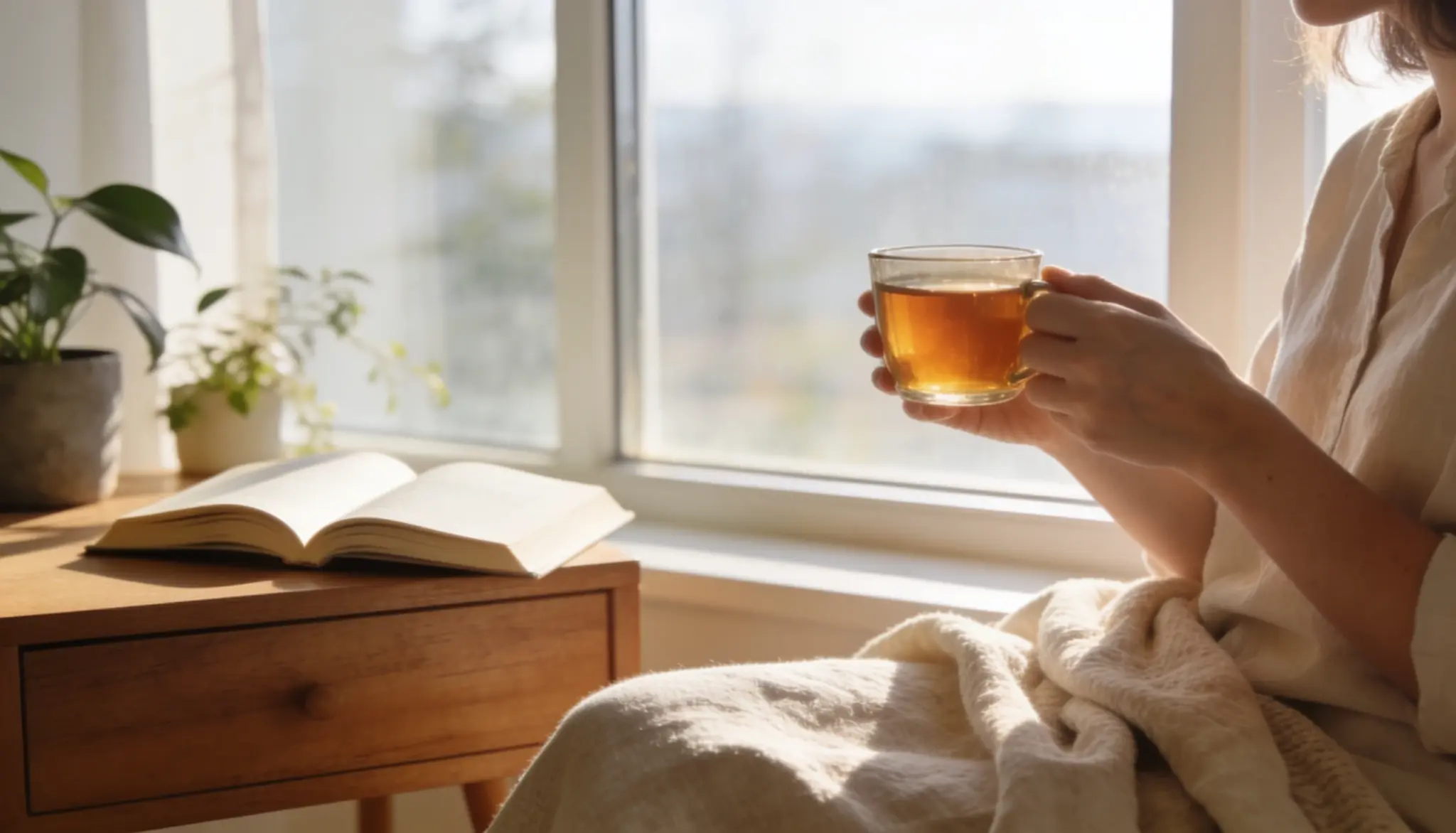

Why does slowing down feel like falling behind, even when everyone around you looks just as tired?
People measure a good life by constant motion, so pausing on purpose can feel like giving something up. In truth, it usually means gaining back focus, calm, and clarity.
Slow living offers a different way to measure a good life, one built on intention rather than speed, and it never asks you to abandon your goals.
What is Slow Living?
Living slowly means choosing quality and intention over speed and hustle. It’s a mindset that puts your values first, not just your to-do list.
Instead of cramming more into each day, you focus on doing fewer things well.
At its core, this mindset is about pace, not laziness. You choose the speed that fits each moment, instead of running on autopilot.
Cooking dinner slowly on a Sunday looks different from answering a quick work email, and that’s fine.
Burnout has climbed for years, and packed schedules leave little room to breathe. More people are also questioning if owning more or filling every hour actually brings happiness.
Principles of Slow Living
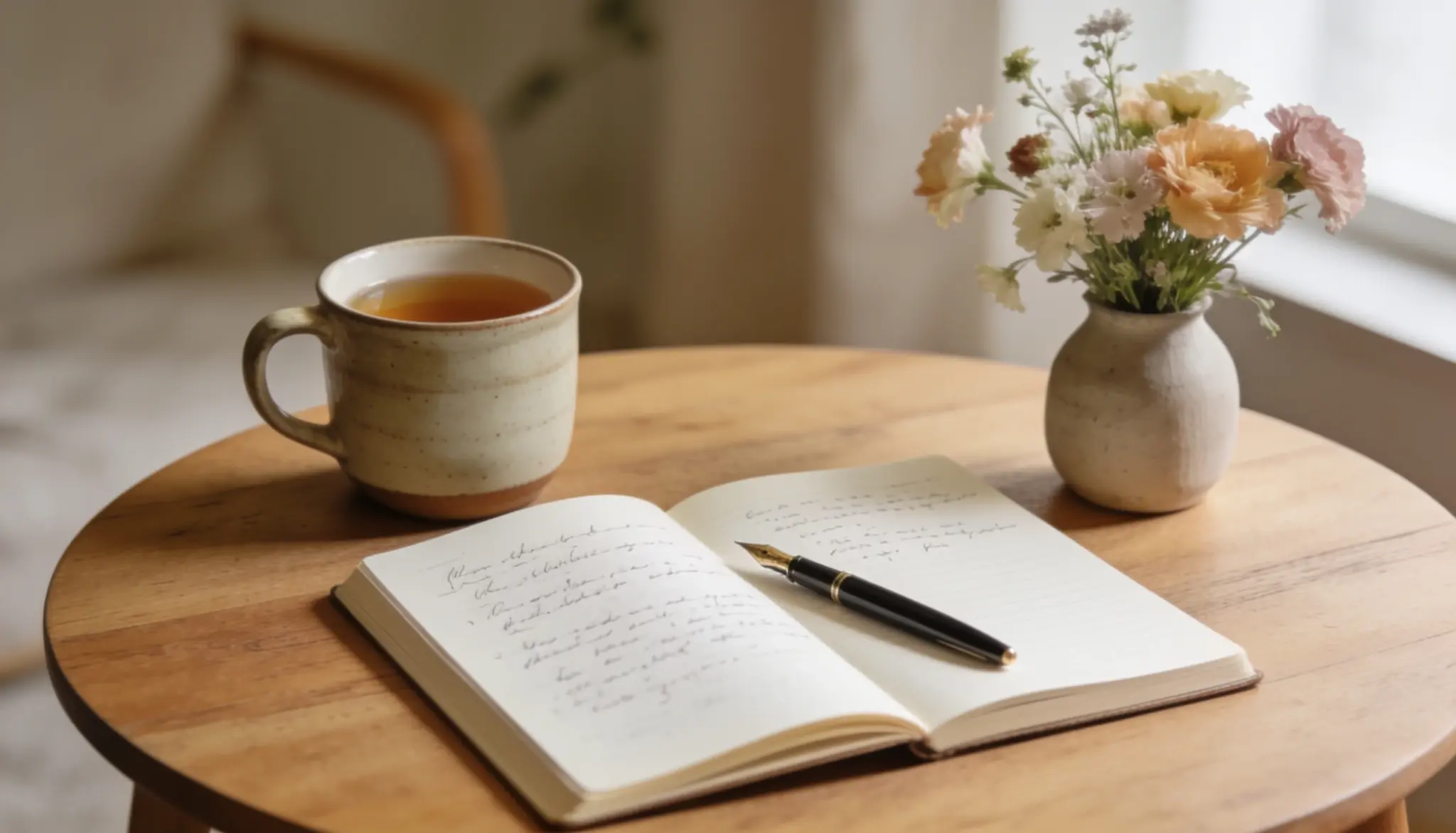
A few core ideas hold this lifestyle together, and once you understand them, the daily habits behind them start to make more sense.
1. Living with Intention
Every choice becomes deliberate instead of automatic, so you ask why before you act. This applies to small things too, like how you spend a lunch break or a quiet evening.
Intention doesn’t mean overthinking every move.
It means checking in with yourself before the day runs away from you.
2. Quality Over Quantity
One well-made meal usually beats three rushed ones.
Fewer, better choices tend to matter more than a packed schedule. This applies to friendships, purchases, and free time too.
A small number of meaningful things brings more satisfaction than a long list of average ones.
3. Staying Present
Pay close attention to what’s right in front of you, whether that’s a task, a meal, or a conversation. Multitasking splits your focus, and nothing gets your full attention.
Staying present takes practice, so start small. Try eating one meal a day without a screen nearby.
4. Doing Less, but Doing it Well
Trim your to-do list down to what actually matters right now. Then give those things your full attention, instead of splitting focus across ten half-finished tasks.
This isn’t about doing nothing. It’s about doing fewer things and doing each one properly.
5. Matching Your Days to Your Values
Let your daily choices reflect what you actually care about, not just what feels urgent. A packed calendar rarely leaves room for what matters most.
Check your week against your values now and then. If they don’t match, something needs to change.
Lifestyle Behind Living Peacefully

This lifestyle works more like a mindset than a strict routine. It shapes how someone approaches their day, not just what they do during it.
A Mindset, Not a Look
Photos of tidy kitchens and slow mornings only show one version of it.
The mindset matters more than any particular setting or aesthetic choice, and it looks different for every household.
Someone in a small city apartment can practice it just as fully as someone on a quiet farm.
The surroundings change, but the mindset stays the same.
Setting Your Own Pace
This lifestyle isn’t about moving slowly through every single task all day long. It’s about choosing the right speed for each moment, based on what that moment actually calls for.
A quick task can stay quick. A meaningful one gets more time and attention. The goal is control over pace, not one fixed speed applied everywhere.
What are the Benefits of Living a Slow Life?
A slower pace brings changes that go beyond just feeling calmer.
Once someone commits to it, the shift shows up in stress levels, relationships, and even daily habits around money and waste.
Lower Stress and More Stress
Rushing constantly keeps the body on edge, even during ordinary tasks. A steadier pace lowers that tension and helps focus improve naturally.
Stronger Relationships
Constant busyness leaves little room for real connection, while slowing down creates space for actual conversations.
A Different Sense of Time
Research on mindfulness suggests that staying present can stretch the felt experience of time.
Rushing through moments makes them forgettable, while slowing down helps the brain register more of what happens.
A Lighter Footprint on the Planet
Slower habits often mean fewer impulse purchases and less waste, since buying less tends to go hand in hand with this mindset.
Sustainability isn’t the main goal here, but it’s a natural side effect.
How to Start Living Calmly?
Adopting this lifestyle doesn’t require a complete overhaul overnight, since small, steady changes tend to stick better than a single dramatic reset.
People find it easier to build momentum through a few simple shifts, rather than trying to rework an entire routine.
- Pick one habit first, like a slower morning or one screen-free hour, then add another once the first one feels natural.
- Cut back on mindless scrolling, since even thirty minutes less a day frees up real space, and leaving the phone in another room during meals helps.
- Build routines around what matters, like coffee without a screen or ten quiet minutes before the day starts, so the habit has something to anchor.
- Let go of doing it perfectly, since some days will feel rushed no matter what, and progress matters more than perfection here.
Misconceptions About Living Slowly
A few myths keep people from ever trying this lifestyle. Clearing them up makes the idea feel much more realistic and less intimidating for anyone just getting started.
Myth 1 – It means being lazy.
It’s not about avoiding effort, but choosing where that effort goes. You can work hard and still keep an unhurried pace.
Myth 2 – It’s the same as minimalism.
This is about doing less, but with more care, so plenty of belongings can still stay in the picture.
Myth 3 – A busy season rules it out.
New parents, students, and busy professionals still move fast to keep up. Even then, small, unhurried moments count, like a slow coffee or a quiet walk.
Living at Your Own Pace
Slow living comes down to pace and intention, not literal slowness. This mindset shapes how someone moves through the day.
Built on principles like doing less, staying present, and choosing quality over quantity, even during busy seasons.
That earlier question about falling behind has a simple answer. Choosing an intentional pace isn’t falling behind at all.
One small habit, practiced consistently, does more than a complete overhaul ever could.
Frequently Asked Questions (FAQ’s)
1. Is this Lifestyle Expensive to Adopt?
No, most habits need little to no extra spending at all.
2. Can this Mindset Work with a Full-Time Job?
Yes, small pockets of calm fit around any work schedule.
3. Is Slow Living Connected to the Slow Food Movement?
Yes, both share a focus on quality over speed and convenience.
4. How is this Approach Different from Self-Care?
Self-Care Targets Specific Acts, While This Shapes an Entire Daily Pace.
5. Does Living at a Slower Pace Improve Productivity at Work?
Often, since fewer distractions tend to sharpen focus and follow-through.