Renovating your Bedroom on a Budget

If you feel as though your bedroom doesn’t look as luxurious as it could, or if you feel as though you need to make some changes but don’t know where to start, then this is the guide for you. Take a look below to find out more.

Fresh Coat of Paint

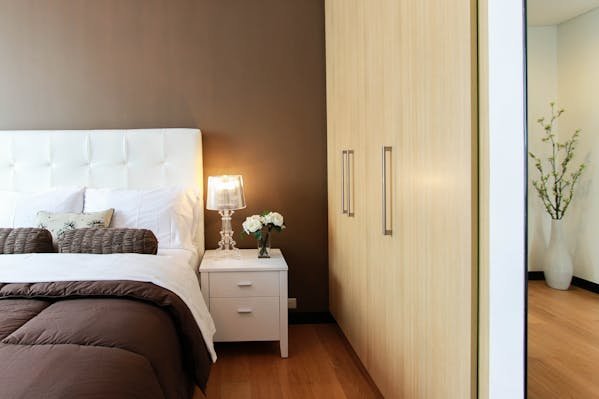
Nothing will transform a room more than having a fresh coat of paint. This is the best way for you to try and make sure that your room gets that brand-new feel, and it could save you hundreds of pounds as well. If you are after some top tips, then it could be a good idea for you to try and look online to see what people have done with their bedrooms, so you can make the right changes with your own. You might also want to try to look into all of the different colour schemes you can explore, and how they coincide with one another. By doing this, you will find it easier to explore bold designs that really pop.

bed

Source: Pexels

Upcycle your Furniture

If you have furniture that isn’t the right shade for your home then you will know how frustrating this can be. With that said, you do need to spend some time transforming what you have into items that you will keep forever. Brown wooden furniture is well-made, but it’s not that popular in this day and age. If you want to help yourself to snap up a great bargain, then one thing you can do is source some vintage or even some hard-to-find items. By doing this, you can then use paint as a way to change the colour so that it suits the scheme you have.

Get some New Linen

Another great thing to do would be for you to source some great linen. You can’t put a price on linen at the end of the day, as it’s not just about how it looks, but also about how it feels. You can find a lot of organic sheet sets online, and when you look into them for yourself, you will soon find that it is easier for you to not only find something that suits your room, but that also really reflects the overall look you are going for.

Built-in Wardrobes

If you can, you need to opt for things like built-in wardrobes. The best thing about built-in wardrobes is that they last for a very long time. With that said, they can be expensive, so a good workaround here would be for you to opt for a freestanding wardrobe and then put it on a frame, so you can elevate it. The best thing about doing this is that you can make sure that you not only get the result you need, but that you also make sure that you are personalising it by adding handles and even new paint schemes. If you can do this, you will notice your bedroom come to life, which is great to say the least.


7 Factors to Consider When Purchasing Furniture for Your Home

Choosing the right furniture for your home can feel overwhelming. You want pieces that look good, last long, and suit your daily life. Whether you’re looking for a stylish sofa in Perth stores or planning the perfect layout for your living room, there are key factors to keep in mind before you make any purchase. Furnishing a home is not about filling space; it’s about creating comfort, utility, and harmony. As you browse furniture options, you will want to strike a balance between aesthetics, function, and cost. With thoughtful planning, you can avoid regrets and get pieces that serve you well for years. In this article, explore seven important considerations to help make your decisions easier and more confident.

Measure Your Space and Plan Layout

One of the most common mistakes is buying furniture that does not physically fit. Before you shop, measure the room where the furniture will go. Note down the length, width, and height. Also measure doorways, staircases, and hallways through which the furniture must pass.

Sketch a simple floor plan and mark where major items like a bed, sofa, or dining table will go. Leave enough walking space around furniture; roughly 60 to 80 cm (or about 2 to 3 feet) is a good rule for ease of movement. This helps you see whether a sofa or bed will crowd the room. Ensure that any bed you choose can be brought into the room without causing damage or delay.

Define Your Budget

Furniture can vary greatly in cost. Setting a clear budget helps you stay focused and avoid overspending. Consider not only the purchase price but also additional costs, such as delivery, installation, or potential repairs.

Divide your budget by room or type of furniture (for example, X dollars for the living room, Y for the bedroom). Having a limit helps narrow your options and keeps your purchases realistic. If you come across a great deal, such as stores offering a bed frame with a free mattress in Perth, make sure it fits within your budget.

Choose Durable Materials and Good Construction

A pretty piece is only useful if it lasts. Inspect how the furniture is made:

  • For wooden furniture, solid wood or strong hardwood is better than particle board or weak composites.
  • For joints, look for dovetail joints in drawers or reinforced corners.
  • In upholstered items, check the frame (it should be sturdy); test cushion springs and check for sagging.
  • The fabric or upholstery should resist wear, stains, and fading, especially in homes with children or pets.

Match Style and Cohesion

Your furniture should blend with the style of your home. Whether your taste is modern, classic, or rustic, try to keep harmony among different pieces.

Avoid matching everything too closely; that can look bland. Instead, aim for pieces that share a unifying element like colour, texture, or shape. Also, scale matters: don’t put a bulkier couch in a small room or a slim armchair in a grand space. Balanced furniture and proportion contribute to a peaceful, pleasing layout.

Consider Function and Lifestyle

Think about how you will live with each piece:

  • Do you read a lot in your lounge? You may want a sofa with good back support and comfortable cushions.
  • Do you host guests often? You may need furniture that can transform (an extendable dining table, a sofa bed, extra armchairs).
  • Do you need storage? Choose beds with storage, ottomans, or side tables.
  • Are there pets or children? Look for tough fabrics that resist stains, frames that can handle wear, and finishes that are easy to clean.

Pay Attention to Proportion and Balance

Furniture should complement the size and proportions of your room. A large sectional sofa might look perfect in a showroom, but could overwhelm a smaller living area. Similarly, tiny furniture in a large space may look out of place.

To maintain balance, consider how each item fits with others in both size and visual weight. Mixing small and large pieces thoughtfully helps create a harmonious and balanced interior. The placement of each piece should promote flow and openness while ensuring functionality.

Add a Personal Touch

Your home should reflect your personality. Small decorative details like cushions, rugs, wall art, or lighting can transform any room into a warm and welcoming space. Don’t hesitate to mix old and new; an armchair can look amazing beside a modern coffee table. Your furniture doesn’t have to be perfect; it just needs to feel like home. Personal touches make a big difference, helping you create a space that’s truly yours.

Conclusion

In summary, buying furniture is about picking pretty designs. You need to measure your space, set a budget, choose materials wisely, and think about how you live. Function, comfort, and timing all play key roles.

Whether you’re looking for sofa sets or trying to find beds, using these seven factors will help you make better choices. Take your time, test where you can, and always include hidden costs and delivery in your plan. With thoughtful decisions, your furniture will serve you well and bring joy for many years to come.

The Colour of Memory: Decorating with Emotion

Colour is never just colour. Even less so in interior design. From our perspective, colours are memories, moods, moments we carry deep inside of us (often without actually realising it).

Pale blue whispers stories of childhood seaside summers long gone. Rich burgundy stirs the memory of a favourite velvet chair and a grandma knitting in it.

So, whether consciously or not, the colours we choose to surround ourselves with are inevitably tied to what we remember and how we feel about it.

Decorating, then, is an emotional act. The palettes we choose reflect our personal style, history, and longings.

With all of this in mind, we invite you to join us as we explore how feelings and memories shape our colour choices in interior design and how we can create beautiful homes by tuning into these emotional undercurrents.

Colour, Memory, Psychology

Colour has this unique power to bypass all logic and speak directly to our emotions. And from a psychological perspective, there are even certain hues that are almost universally associated with specific feelings: blue = calm, red = energy, yellow = joy. Then, add your own personal experience to the mix, and you’ll discover a deeper, even more intimate layer of how each one of us perceives colour.

Scents work in a familiar way and are even more powerful at evoking memories. A whiff of jasmine, and you’re suddenly in your childhood garden. Colour isn’t much different to this. It can connect you to the past in unexpected ways.

Even if your mind is not consciously recognising it, when you enter a room painted in a familiar tone, your body knows it, remembers it. That emotional resonance is real.

Colours as Your Personal Memory Archive

If every home tells the story of its dwellers, then colour is the thread that ties it all together. Your warm terracotta terrace brings back golden afternoons spent under the Italian sun, your deep mustard kitchen recalls the retro tones of a childhood living room, etc. Take a look around your home and try to recognise the personal archive you’ve created through design. Are you drawn to certain colours again and again? Pursue that. Ask yourself why and feel the memories unlock.

Designing with Colours That Feel

Decorating with emotion is choosing colours with the heart, not just the eye.

Ask yourself: How do I want my space to feel like? and, What parts of my story do I want it to tell?

Begin the process by tuning into your emotional colour map. Reflect on the places, objects, and moments that make you feel safe, joyful, and at peace. Was there a particular shade on the walls of your childhood home that still brings comfort? A colour from a painting you’ve always loved?

Here are some more questions to guide your choice:

● What places make me feel grounded, uplifted?

● Which colours do I wear the most, and how do they make me feel?

● What artwork and photography do I keep coming back to?

Gather emotional cues and bring them into a mood board, and don’t limit yourself. Include old photographs, fabric scraps, postcards, and handwritten notes. This is your palette of meaning. And next time you have to choose wall colours and textiles, you’ll have it ready to guide you.

Translating Emotion into Space

You’re tuned to your memories, you’ve discovered the colours that shape you. Now, how can you translate them into your space with the right mood? Align the colours with purpose.

Warm neutrals will be perfect for a calming bedroom, vibrant ochres for a lively kitchen, and dusky blues for a contemplative study. If you want to evoke childhood summer memories, design your living room to echo those coastal retreats through soft, sandy beiges, seafoam green, and sun-washed blues. Such an atmosphere will not look but will feel like summer.

Experience Colour through the Senses

Of course, only colour will not be enough to really build an impactful atmosphere. The magic happens in the interplay of texture, light, and scent. The cool grey you love may feel austere under harsh artificial light but tender and serene when bathed in the morning sun. The way colour lives in your home depends on how it’s lit, touched and complemented.

And there’s also texture to add emotional nuance. Deep-toned velvet echoes nostalgia and the charm of the old world. Linen, soft neutrals, and canvas wall art evoke a sense of ease and lightness.

Even scent can play a part. Lavender paired with pale lilac will enhance calm. A hint of tobacco or leather will deepen the mood in a room painted with forest green.

Play with the sensory layers and observe how your home transforms into a space that gently reawakens your most cherished memories every day.

The Healing Potential of Emotional Design

When in its most powerful form, emotional design can heal. Colours do have the power to calm a restless mind and energise a tired spirit. And when chosen with personal meaning, they suddenly feel like home.

Interior designers and psychologists alike have explored the therapeutic nature of colour. Soft blues that soothe anxiety, warm, earthy tones that promote grounding, the emotional resonance of colour is simply undeniable. Emerging trends like dopamine décor—bold, joyful colours used to lift the mood—are rooted in this very idea. But when guided by memory, this approach becomes even more intimate. It’s an act of care. Of remembering. Of coming home to yourself.

Allow Colour to Speak from Within

Homes are emotional landscapes that reflect who we have been, who we are, and what we hold close to ourselves. Decorate with memory, and you’ll infuse your space with authenticity and soul. Choosing colours that speak to us creates spaces that nurture, resonate, and, above all, feel. So, what colours tell your story?

What to Expect from Farrow & Ball’s New Colours for 2025 (Spoilers, Earth Tones are Back In…)

On February 27th, Farrow & Ball will be moving 12 dazzling shades into their main range – nine of them all-new and the remaining trio brought in from the Farrow & Ball Archive. 

It’s been 3 years, and the paint and decorating world is on the edge of its seat. Since Farrow & Ball’s last update to their principal 132-colour range back in 2022, interior designers and DIY hobbyists alike have been hedging their bets on when we’d be likely to see another switch-up.

Farrow and Ball’s new colours for 2025 are exactly that: a switch-up. Long gone are the jubilant, candy-toned shades from their Carte Blanche capsule collection; similarly, stark greys and crisp neutrals are nowhere to be seen. Today, changing interior design tendencies are ushering in a new era of down-to-earth shades ranging from toasty terracottas to healing earthy greens. 

An Earthy Era for Farrow & Ball

Three years in the making signals a huge shift in design trends. While Farrow & Ball have been gleaning inspiration from the natural world and closer to home (see Naperon No.315’s etymologic root in the humble apron), the world’s appetite for heartening interiors has only snowballed.

Sticking to their mantra of not following trends but developing them, Farrow & Ball HQ has absorbed our collective longing for nature and everyday comforts. From warming foods to domestic memories, Farrow & Ball’s new colour selection for 2025 is all about telling the story behind the overlooked details of our childhood. [Read more…]

How to Decorate Your Spare Room to Give It a Hotel Feel

How to Decorate Your Spare Room to Give it a Hotel Feel

Are you considering redecorating that spare room, which has gotten a little underwhelming and boring? Or are you looking at redesigning that cluttered space, which just feels a bit blah?

If you are looking for a big change or want to transform your space into a retreat that your guests will love, here are some tips to give you that high-end hotel feel.

Choose a Neutral Colour Palette

One of the integral parts of getting that hotel feel is putting together a relaxing ambiance in the room, and the most effective way to achieve this would be through the usage of neutrals: soft greys, taupes, or white. This colour palette will give you a blank slate on which you can dress up with texture and pops of colour.

Choose high-quality paints with a softer finish, including the ceiling. This will keep the space light, airy and really open up the room. You can bring some personality to the space with smaller decorative items.

Invest in a Comfortable Bed

Hotels are usually renowned for their super comfy beds, so you should focus on this. Start with a high-quality mattress, white bed linen, plush pillows, and a cloudy duvet. A mattress topper will bring the bed up to a hotel standard.

Not to mention the headboard! An upholstered headboard does so much more than add aesthetic appeal to the room. Go for one in a neutral tone to keep things classy and hotel-like.

Focus on Lighting

Not a lot of people mention it, but lighting sets the mood. In hotels, it is always layered. Begin with a statement overhead light or a chandelier to add glamour. Add bedside lamps for softer lighting, which is perfect for guests who want to wind down with a book. If space allows, wall-mounted reading lights are great for that extra touch of sophistication. Another easy-to-apply hotel trick is by installing a dimmer switch. In this way, the facility to adjust light according to mood will make the space feel much more adaptable and personal.

Use Canvas Wall Art for a Sophisticated Touch

Artwork in a hotel room isn’t complete without being curated, and this is where canvas wall art can elevate your spare room. Choose a piece that reflects your colour palette and style. Large, bold pieces can create a focal point on the bed, while smaller, understated works of art add interest in other parts of the room, such as above a reading nook or dressing table.

Adding canvas wall art to the walls will add texture and depth to them, thus helping create a more inviting and luxurious atmosphere. It is one great way of giving some personality to your room without making it overwhelming to anyone’s senses. Try to keep designs to calming things, like landscapes or abstracts, to keep the vibe relaxing.

Incorporate Hotel-Style Furniture

In a spare room, a coffee table adds both functionality and style as seen in many hotels. A nest of coffee tables for example acts as a stylish surface for drinks, snacks, or decorative items. A coffee table helps to create a more inviting and usable space.’

With your walls and bed on track, add some additional functional furniture that introduces touches of elegance. A petite desk or console table will serve as a workspace or vanity, while an armchair or accent chair adds a stunning seating area.

Opt for furniture with clean lines and sleek finishes, such as dark wood, glass, or brushed metal. You can adopt the minimalist approach; too much furniture can make the room feel cluttered, which is the opposite of what you’re going for.

It’s all in the details – it’s the little things that can really make the difference between a regular room and a high-end hotel suite. Begin with comfy, soft towels and neatly lay them out in front of the bed or even inside the wardrobe. You might add a robe and slippers as well for a more pampered hotel experience for guests.

A vase of fresh flowers or even a small indoor plant will help make the space more lively and make it just that bit friendlier. The scent is often overlooked, but a light, calming room spray or reed diffuser completes the space in ways you probably never thought possible.

Add The Finishing Touches

You want to add some final finishing touches to your space, think throws, pillows, rugs and other accessories that can help inject some personality into your room. Using this guide, you can transform your bland and boring spare room into an oasis with a little help from wall art, quality bedding, soft lighting, and thoughtful details. Your guests will never want to leave!

A Guide to Print Sizes: Which is Best For Hallway Decoration

Decorating your hallway can completely transform an otherwise overlooked space. What, at a quick glance, is a blank space with little to no real decorative purpose can transform into an inviting and stylish passage that showcases your personality and helps us to learn more about yourself. One of the best ways to achieve this is by adding framed prints. However, choosing the perfect print size for your hallway can feel overwhelming, but we’re here to help you start. 

Understanding The Sizing

Print sizes, quite literally, come in all shapes and sizes, and selecting the right size generally depends on your hallway’s measurements and the overall visual goal you have for your blank canvas. Here are some of the most popular sizes for print frames: 

  • A1 Frames: A more bold and dramatic choice, A1 frames are perfect for a space with ample wall space. It’s the perfect size choice for those looking to make an impact and simply be a centrepiece of your overall hallway decoration. 
  • A2 Frames: The A2 size can thrive on its own or paired with a matching frame, providing a more flexible approach – drawing attention and adding visual interest in its own unique way. 
  • A3 Frames: These are great as a more subtle statement. If you want to add a touch of colour without completely overwhelming the space, then A3 frames will be perfect for your hallway. 
  • A4 Frames: Versatile and small, A4 frames are perfect for smaller hallways or even creating a gallery wall. They can also be grouped together for a more unique approach. 

Choosing the Right Size for Your Hallway

Now that you know the sizes of print frames, it’s time to pick the ideal one for your hallway. Here are the following steps: 

  • Begin measuring your space: Measure the width and height of your hallway walls. This will help you better understand how much space you’ve got to work with. 
  • Don’t overlook your ceilings: Though we don’t recommend measuring your whole ceiling, taking note of its height can help you decide on your size. For instance, higher ceilings allow you to have larger prints, making your space feel more grand. On the other hand, lower ceilings will require smaller sizes to avoid overwhelming and cluttering the space. 
  • Ensure balance: A general rule of thumb is that the chosen artwork should take up 60-70% of the overall wall space. Anything more significant can make your wall look cluttered, whereas a size that’s too small can draw attention incorrectly. 
  • Gallery walls: A great way to add more personality to your hallways is to create a gallery wall. The key to this approach is to mix different sizes for a more dynamic and engaging look. Ensure your frames vary in size, width, and colour with a consistent 2-3 inch spacing between them all. This approach helps to have a more structured approach to the eclectic display. 

Extra Decoration Tips

Sometimes, picking the right decorative piece can feel overwhelming. Will it match the general aesthetic? Will the colours complement each other? Here are a few things to consider before picking the perfect print: 

  • Match It To You: Make sure you choose prints that compliment the theme and style of your home. Whether you prefer a more minimalistic look, abstract art, or the classics, ensure your chosen artwork matches your home decor. 
  • Lighting: This can sometimes make or break the look of your chosen art. Good lighting can significantly improve the look of your prints. Using wall or picture lights to highlight your artwork can help it stand out, adding warmth and depth to the hallway. 
  • Keep it consistent: Consider the colour palette of your home and your artwork and keep it consistent throughout. This doesn’t mean that all the prints should be the same colour, but ensure they complement each other. 
  • Add a personal touch: Adding a sprinkle of personality through family photos, travel pictures, or custom artwork can help to add a touch of homeliness to your space, creating a familiar space that not only looks good but can also make you feel good. 
  • Think outside the box: Don’t be scared to mix things up with different types of artwork. Sometimes, combining photography, prints, and typography can create a richer and more diverse visual appeal. The trick here is to make sure each piece has some common elements to tie it together. 

The 2024 Trends

This year, we saw new trends within hallway decoration that emerged, particularly focusing on sustainability and personalised aesthetics. Here’s some trending importation for your new 2024 hallway: 

  • Sustainable materials: This trend continues to be on the rise as a priority for individual hallway decoration. It usually means using eco-friendly materials for frames and prints, such as reclaimed wood, bamboo, or recycled materials. Opting for prints on recycled paper reduces your carbon footprint and adds a more fun, rustic charm to your hallway. 
  • Bold, bright, and patterned: While neutral tones have dominated the home decor industry for years, many have turned to bold colours and patterns for 2024. Adding a pop of colour to your space with a more vibrant colour can make a bigger statement on your walls, making an ignored space a more focal point in your hallway. 
  • Make it personal: Customisation is key in 2024. Artwork like custom illustrations, family portraits, and commissioned pieces can make your space unique and filled with great memories that can lift your mood and make a house a home. 

Final Thoughts

You’re now ready to begin transforming a blank canvas into a space that truly reflects you and your home. Carefully selecting the correct print size and frames can create a more inviting and beautiful space. After all, a well-decorated hallway isn’t just a pleasant passage but also sets the tone for the rest of your home. It is often the first thing you see; picking the perfect size, colour, and style is crucial for the perfectly decorated hallway in 2024. 


How to add character to walls with decoration on floating shelves

How to add character to walls with decoration on floating shelves 

Are your walls feeling boring and kind of dull? Looking at adding some character to your walls doesn’t always mean you have to cover them with some wallpaper or paint. One of the best ways to bring them to life with some personality is to introduce floating shelves. The different variety of designs and arrangements you can add to them is a great way to improve the style of a room. 

 Choosing the Right Floating Shelves 

When you are deciding on what floating shelf to go for, you should keep in mind some key factors such as type, material, colour, size, and placement. The material you choose will significantly change the overall look and feel of a room when someone walks in. There are also some different types to choose from; they range from sleek modern shelves with invisible brackets to rustic wooden planks with visible supports, each offering unique aesthetics and functionality. 

 Planning Your Shelf Layout 

One of the key parts to making the shelf look the part and adding a bit of style is to focus on the layout of your items so they are appealing to look at. Make sure you leave good spacing to avoid clutter and also create a bit of elevation between items so there are some different focal points for the eye to catch on to. 

 Selecting Decorative Items 

It is important to decorate your shelves with items that reflect your personality and vibe. Some of the personal items you can include are travel souvenirs, family antiques, and cherished photos to really add some authenticity to the space you are trying to create. Another great addition would be some plants. They bring the outdoors indoors and add a lot of vibrant colours with a fresh look. Books and magazines create a cosy, intellectual vibe when arranged vertically or stacked horizontally. Framed canvas wall art and photos add visual interest, especially when mixing framed and unframed pieces for an eclectic look. Decorative objects such as vases, sculptures, and ceramics add texture and dimension; select items of varying heights and shapes for a balanced display. 

 Styling Tips for Different Rooms 

Each room benefits from well-styled floating shelves tailored to its function. Mix books, plants, and personal items in the living room for a cosy, inviting feel. Bedrooms are ideal for personal souvenirs, framed photos, and calming decor like candles or small plants. In the kitchen, use shelves for cookbooks, spices, and decorative jars, balancing practicality and style. Bathrooms benefit from shelves with toiletries, small plants, and decorative towels for a spa-like ambience. In the home office, use shelves for books, office supplies, and inspirational decor to maintain functionality and motivation. 

 Now It’s Your Turn to Style 

Floating shelves are a fantastic way to add character and functionality to your walls. By carefully choosing and arranging your shelves and decor, you can create a space that is both stylish and personal. So, get creative and start decorating those shelves! 

10 Clever Shutter Ideas to Style Your Home’s Windows

White window shutters are a versatile and stylish option for dressing your home’s windows. They can add a touch of elegance and sophistication to any room while providing practical benefits such as privacy, light control, and insulation. If you’re considering white window shutters for your home, here are ten clever ideas to help you style them effectively: 

1. Classic White Elegance: Opt for traditional white shutters for a timeless look that complements any decor style. They can brighten up a room and create a sense of spaciousness. 

 2. Cafe-Style Shutters: Install shutters on the bottom half of your windows to allow natural light to enter while maintaining privacy. This style is ideal for kitchens, bathrooms, and living areas. 

 3. Full-Length Shutters: For a more dramatic effect, choose full-length shutters that cover the entire window. This style adds a touch of luxury and can make ceilings appear higher. 

 4. Tier-on-Tier Shutters: These shutters have top and bottom panels that operate independently, allowing you to adjust them according to your privacy and light control needs. They are perfect for bedrooms and living rooms. 

 5. Shutters with Cut-Outs: Add a personal touch to your shutters by opting for cut-out designs. Popular choices include heart shapes, stars, or even your initials. This can create a whimsical and unique look. 

6. Coloured Frame Shutters: Instead of painting the entire shutter, consider adding a pop of colour by painting just the frame. This can create a subtle yet impactful contrast against the white shutter panels. 

 7. Hidden Tilt Rods: Traditional shutters have a visible tilt rod used to open and close the louvres. Opt for hidden tilt rods for a cleaner and more modern look. 

 8.Dual-Tone Shutters: Combine white shutters with another colour for a striking two-tone effect. This can add depth and interest to your windows, especially in rooms with neutral decor. 

 9. Shutters with Decorative Hinges: Enhance the charm of your shutters by adding decorative hinges. This small detail can give your windows a more traditional and rustic appearance. 

 10. Shutters with Valances: Finish off your window treatment with a decorative valance. This can add a finishing touch to your shutters and tie the room’s decor together. 

 In conclusion, white window shutters are a versatile and stylish option for dressing your home’s windows. Whether you prefer a classic, elegant look or want to add a pop of colour and personality, there are plenty of clever ideas to help you style your shutters effectively. Consider these ideas to enhance the beauty and functionality of your windows with white shutters. 


Unusual colour combinations for interior design

In the kaleidoscope of interior design, decorating a home using the colours of the rainbow is a vibrant and captivating journey. The decorator, armed with a palette inspired by nature’s spectrum, embarks on a creative odyssey to infuse each room with personality, energy, and a sense of balance. From the fiery reds to the serene blues, the decorator navigates the colour wheel, weaving a tapestry of emotions and aesthetics that resonate with the inhabitants and tell a unique story of their home.

The Red Oasis

Beginning with the fiery hues of red, the decorator transforms spaces into dynamic and passionate realms. A crimson accent wall in the living room energises the space, while scarlet throw pillows and rugs add warmth to neutral furnishings. In the kitchen, red utensils and cookware pop against a backdrop of sleek white cabinets. The vibrancy of red extends to artwork and accessories, creating a cohesive and stimulating atmosphere.

The Orange Glow

Moving seamlessly into the orange realm, the decorator introduces a lively and cheerful ambience. Sun-kissed orange accents in the dining area, such as chairs or table runners, infuse a sense of conviviality. In the bedroom, burnt orange throws and pillows add a touch of cosiness, creating a space that radiates warmth. Art pieces featuring shades of orange become focal points, contributing to a harmonious energy flow throughout the home.

The Sunny Yellow

Retreat Yellow, the colour of sunshine, brings positivity and energy to various spaces. The kitchen’s lemon-yellow accessories and linens evoke a fresh and inviting atmosphere. In-home offices or study nooks, a splash of yellow in decor or furnishings fosters creativity and focus. Like a golden-yellow accent wall in the bathroom, subtle touches add a touch of luxury and optimism to the daily routine.

The Verdant Green Haven

Transitioning into the calming embrace of green, the decorator introduces an element of nature into the home. Lush greenery, both natural and artificial, breathes life into living spaces. Green accent walls or furniture pieces create a serene backdrop, fostering a connection with the outdoors. Indoor plants thrive in this verdant haven, infusing the air with freshness and tranquillity. Adorned with sage green linens, the bedroom becomes a peaceful retreat for restful nights.

The Tranquil Blues

In the blue spectrum, the decorator crafts serene retreats that echo the sky’s vastness and the ocean’s depth. From soft baby blues in nurseries to deep navy in sophisticated living areas, the versatility of blue is evident. Coastal-themed decor, with shades of azure and turquoise, transforms bathrooms into seaside escapes. Indigo textiles and artwork promote relaxation and restful sleep in bedrooms, completing the home’s transition from energetic hues to calming tones.

The Regal Purples

As the decorator introduces shades of purple, the home takes on a regal and sophisticated aura. Rich plum accents in the dining room elevate the dining experience, while lavender hues in the bedroom create a dreamy and luxurious ambience. Artistic touches, such as violet abstract paintings or amethyst accessories, contribute to a sense of opulence and creativity.

The Harmonious Rainbow Integration Bringing the entire rainbow into cohesive harmony requires finesse. The decorator carefully balances the intensity and saturation of each colour, ensuring that the home remains a unified expression rather than a chaotic burst of hues. Rainbow-inspired decor, such as multicoloured rugs or throw pillows, becomes a unifying element that ties the spectrum together. The artful integration of the rainbow is not just about individual colours; it’s about orchestrating a symphony that flows seamlessly from one room to the next, from the colourful rainbow to the neutral wall art dancing as one.

The Neutral Anchors

Amidst the vibrant spectrum, neutral tones play a crucial role in grounding the decor. Crisp whites, warm beiges, and subtle greys serve as a backdrop that allows the rainbow hues to shine. Neutral furnishings and walls create a versatile canvas, providing a timeless foundation that can accommodate evolving tastes and seasonal decor changes.

In the final strokes of the decorator’s brush, the home emerges as a living canvas, reflecting its inhabitants’ unique personalities and preferences. The decorator, guided by the colours of the rainbow, has not only transformed spaces but also woven a narrative that celebrates diversity, creativity, and the endless possibilities that colour brings to our lives. Each room becomes a chapter in this vibrant story, inviting residents and guests to explore the rich tapestry of emotions and experiences that the rainbow-inspired decor evokes.

Curtains or Blinds? The Ups & Downs of Both

Modern city living is fast-paced and it’s a wonderful feeling when you take possession of your very first home; this is a time for decisions, Where to live? What type of house do I want? One aspect of home ownership is screening; no one wants to live in a fishbowl and without some form of screening, that’s exactly what you have! Turn on a light and people can see everything, even a few hundred metres away!

What are the options?

The average home has around 14 windows of varying size and it makes sense to be uniform with screening; the choices are curtains or blinds and in this short blog, we take a look at both.

Curtains

Traditional and somewhat elegant, curtains have been around as long as windows, if not longer! The advantages include blackout potential and thermal insulation, while the fabric can become part of the design. One downside is that cleaning can be a problem, depending on the fabric, dry cleaning is one option, or you might be able to wet-wash and iron. Longer curtains need weights sewn into the hem to prevent crinkling. Tracking can be complex, with a few strings that pull curtain rings attached on some form of track. While curtains come in kit form, we recommend having the curtains custom made by a reputable local company.

Blinds When you look at stunning Venetian blinds for New Zealand homes from an award-winning company, it is easy to understand why blinds are so popular. From timber to aluminium or a rich fabric, the choices are indeed many and custom-made blinds? Well, it doesn’t get any better! Blinds are functional and afford the ability to fine-tune shading and, most importantly, to see without being seen.

Styles

The following blinds styles are popular in Australia,

· Venetian blinds

· Vertical blinds

· Roman blinds

· Roller blinds

· Pleated blinds

Within these styles, there are many variables and if you choose a top-rated blinds company, the units will look great and fit perfectly.

Vertical blinds are popular as the slats do not gather dust and are easy to clean with a damp cloth; most offices have vertical blinds, which allow you to fine-tune by tilting the slats, as well as opening and closing. Click here for ways to up the vintage vibe in your home.

One stop solution

Whether blinds or curtains, search online for a leading NZ company that offers made-to-measure blinds that are installed by professionals. They would be happy to send a technician to your home and you can both discuss the many options and when you find the right combination, they can quote an all-inclusive price. Such a company would use the best tracking systems, with powered options that are remotely controlled and there are so many choices regarding material and design. Home improvements won’t be far from your mind and over time, you can make some appealing changes.

Once the screening is complete, you can move in and start arranging things, which is an exciting prospect.