Friday Favorites Linky Party Week 525

Please support and follow our lovely blog party hostesses:

Jerri at Simply Sweet HomeTwitter | FB | G+ | Pin | Inst

Lisa at Condo BluesTwitter | FB | G+ | Pin | Inst

Amy at A Day of Small ThingsPin

Penny at Penny’s PassionTwitter | FB | G+ | Pin | Inst

Jennifer at Busy Being JenniferTwitter | FB | Pin | Inst

If you are featured this week, be sure and grab a featured button for your blog!

You can show your love for this week’s favorites by going over and commenting on the posts and by pinning or sharing!

And if you love all of this week’s favorites, please pin, share, and invite your friends to this week’s linky party! [Read more…]

Exergen TemporalScanner Thermometer Review

Disclosure: I received free product to help facilitate this posts. Affiliate links are included herein.

A good thermometer is an essential in any household, especially when you have kids!  We always had oral thermometers before Thaxton was born, but when we found out about his arrival we got a couple of thermometers for the forehead. (Because you can never have too many thermometers, in my opinion.)  Recently I had the chance to try the Exergen Temporal Thermometer.

This thermometer is #1 in proven accuracy by more than 70 published clinical studies.  Here are few quick facts:

  • It works as the gentle stroke of the forehead captures naturally emitted heat
  • red LED lights and soft beep indicate a correct scan
  • Arterial Heat Balance computes the correct temperature
  • Safe and easy to use

Why & How So Accurate?

Temporal thermometers are said to be more accurate than ear thermometers and at least as accurate as rectal thermometers.  (They are also safer than these two altneratives.)

And we all know that oral thermometers can be inaccurate if the person has eaten or drank something recently; not to mention, it is impossible to get a baby or small child to hold a thermometer in their mouth (or anywhere else).

The Temporal Artery is directly connected to the heart via the carotid artery and has the constant blood flow needed for accurate measurement.

Exergen Vs. My Other Temporal Thermometers

Other forehead thermometers I’ve tried required the thermometer to be placed on a certain spot on the head to get one reading. (I have one that you have to put between the eyebrows and another that goes in the middle of the forehead.  A simple mistake in placement could lead to inaccuracy with those.  Not to mention, I found myself doing 4 or 5 checks each time and getting different results, which is frustrating.) 

Meanwhile the Exergen thermometer is used by running it over the forehead randomly.  As you move it across the forehead it takes 1,000 readings per second, selecting the most accurate.  (I love that!)

I also like that it beeps and lights up when you scan, so you know you it is working.  The light up feature is also great for checking your little one’s temperature at night.  The thermometer also features a silent mode, which is a big plus if you are checking on a sleeping child.

It’s also very easy to use, and again, I love that you scan over the entire forehead and it gives you an average for the reading. This is way better than than touching it to one spot and hoping you hit it right.

Take a lot at the Exergen Temporal Thermometer to learn more!

Importance of a Ventilation Fan in Any Bathroom

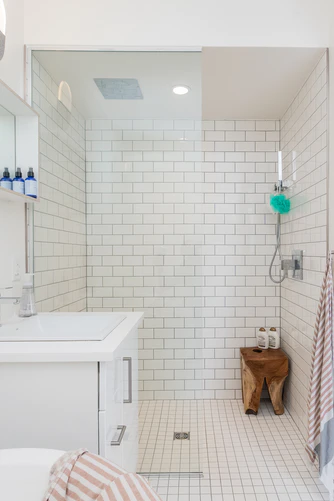
Mechanical ventilation devices work by recycling hot, humid, or stale air and expelling it outside using either a metal duct or a flexible tube. Since bathrooms are constantly subjected to a lot of moisture from showers and baths, a ventilation fan becomes necessary to remove the moisture out of the air. Excessive moisture doesn’t only make it harder to breathe, but it also forms the perfect environment for mold to grow. Moisture also puts unnecessary pressure on your cooling equipment which puts them at a higher risk of wear and tear. This isn’t the only reason why you normally find a fan in most public and private bathrooms. 

Right here, we will explore in more detail the importance a ventilation fan holds in any bathroom. 

Eliminating Odors

Can you imagine how horrible the experience can be in the bathroom without a fan or window? While odors might be whisked away in just a few seconds with a working fan, they may linger for a lot longer without one. Adding scented candles and using air fresheners doesn’t solve the problem; at best, they can only cover up bathroom smells. Some people might consider deep cleaning the bathroom. However, this only works until the next person uses the bathroom. This is why having something for odor control in bathrooms is essential. An exhaust fan can efficiently eliminate unpleasant odors.

Humidity Reduction 

We all know how humidity harms us in so many ways. Some places might suffer from this problem more than others. Bathrooms are typically subject to increased moisture due to daily activities such as showering or taking baths. Having to deal with a humid bathroom in a place such as Houston or South Texas, for example, where the humidity levels are exceptionally high, can make matters a lot worse. In similar locations, the remodeling experts explained in https://www.trifection.net/custom-bathroom-remodeling/ that it’s vital to reduce humidity in restrooms by using efficient fans to avoid many problems that can quickly wreak havoc on your bathroom. Excessive moisture can cause paint and wallpaper to peel off and speed up the growth of mold, which can trigger allergies and harm our health. 

Eradicating Airborne Contaminants

Most of us are guilty of using harsh chemicals and powerful products for cleaning, especially when it comes to bathrooms. These aggressive cleaning products don’t evaporate easily. Instead, they linger on the bathroom surfaces and in the air, possibly causing a variety of health issues when inhaled. These concerns are intensified for small children, seniors, and people who struggle with allergies and other respiratory conditions. This is why installing a vent fan that recycles the air and exhausts it outside might be practical in eliminating this problem.

A good bathroom ventilation system is crucial. Since ventilation fans recycle the air, remove contaminants, control odor, and reduce humidity, they can consequently help greatly in preventing several problems that could potentially harm our health and cost us a lot of money. Humidity reduction, which is the most important task for ventilation fans, helps keep mold manifestation at bay, which otherwise could have resulted in several health issues and might have even forced you to remodel your entire bathroom.


How Much Does It Cost to Replace a Roof?

Your roof is much more than just the top of your home. It adds to the appearance of your home (in a good way or bad way, depending on its condition) but it also protects your home from rain, wind, snow, animals, sun, etc.

Unfortunately, roofs don’t last forever. Most roofs last between 15 and 20 years, depending on where you live, the weather conditions in your area, and the roofing material. If you find yourself in need of a new roof, you probably want to know the average cost of a roof replacement from a spring roofing contractor.

Before you start getting estimates, educate yourself on roofing materials, the cost, and what impacts that. Read on to learn more information about replacing your roof.

The Average Cost of a Roof Replacement Depends

The average cost of a roof replacement in the US depends on many different factors, including the type of roofing material, area of the country, size, pitch, and whether there are any special features, such as a chimney or skylight.

Before getting into pricing, it’s important to understand how roofing contractors estimate costs. Roofers charge homeowners per roofing square. Each roofing square is 100 square feet (10 feet by 10 feet). So a 2,000 square foot roof is broken into 20 squares.

Your roofer will give you a price per square. This price will include materials, labor costs, and removal and disposal of your old roof. Considering all of these factors, the average roof replacement cost is between $7800 and $11,000.

Roofing Materials

The bulk of the cost of your roof, about 60%, will come from the materials. In addition to your shingles, which we’ll talk about in more detail below, there are other materials necessary to replace your roof which you’ll pay for. These include:

Aluminum drip edge: this is installed near the roof’s edge and allows water to flow off the edge of the roof and away from your home.

Flashing: this is the metal that is installed under the siding and shingles where the vertical part of your home meets the horizontal part of the roof. This also helps water move freely toward the edge of your roof and away from your home. If you don’t have flashing, the water will sit on the roof and rot the wood over time.

Underlayment: is a felt paper that is between the wood and shingles. This gives you an extra layer of protection from water and severe weather. There are three main types of underlayment, including asphalt-saturated felt, synthetic underlayment, and rubberized asphalt underlayment.

Asphalt-saturated and synthetic are water-resistant and rubberized asphalt is waterproof. Synthetic underlayment is the preferred choice of most roofers today. If you have the funds, however, rubberized asphalt underlayment is the only one that gives you a truly waterproof layer.

Plywood: underneath the shingles and underlayment is plywood. If there are damaged areas, you may have to replace some or all of the wood on your roof with sheets of plywood.

Shingle Types

The biggest chunk of material costs will come from your shingles. While most homes in the US have asphalt shingles, they aren’t the only option out there. Some other shingle materials include tile, slate, and metal.

Asphalt Shingles

Asphalt shingles are the most common because they are the least expensive. There are two types: fiberglass and organic.

Fiberglass shingles are made of a fiberglass base mat and covered with a waterproof asphalt coating. The ceramic granules on the top of the shingles protect UV rays from damaging them.

Fiberglass shingles generally have a longer warranty than organic shingles and are safer in a fire. These are the shingles of choice for roofers installing asphalt shingles.

Organic shingles have a layer of felt paper that is saturated with asphalt to waterproof them. They are then coating with adhesive asphalt and then ceramic granules are embedded in them.

Because they have more asphalt than fiberglass shingles, they are heavier and more expensive. Not to mention, the higher asphalt content makes them not great for the environment compared to fiberglass shingles.

Asphalt shingles come in a variety of colors and are extremely durable, with most companies giving a 15 to 30-year warranty on your asphalt roof.

Tile

Tile roofs are extremely durable, lasting up to 100 years in some cases. You’ll pay a pretty penny for this durability though. Historically, most tile roofs are made of slate, fired clay, or terra cotta. Now, though, many roof tiles are made of molded and tinted concrete.

Tile roofs are common in areas that have extremely hot weather or are exposed to salt sea air, like coastal California and Florida and in the southwest, which experiences extreme heat.

Metal

Roofs made of metal are durable and unique. They come in many different colors and finishes and are designed to resist rust and corrosion. They are also low maintenance and last a long time—sometimes as long as 50 years if you properly maintain them.

Not only are they durable, but they are also energy efficient. They reflect the sun’s rays, which helps keep your home cool. They are also a good choice for areas that get

high winds, such as coastal areas at risk of hurricane damage, as they can withstand winds up to 120 mph.

Labor

The remaining costs for your roof replacement come from the labor costs. Labor costs will include the removal of the old roof as well as the installation of all of the materials for a new roof.

Disposal

You will also need to pay for the disposal of the materials that are removed from your roof. There are ways to recycle the materials, so check with your roofing contractor to see what they do with the shingles they remove.

Permits

Finally, your contractor will need to get a permit to replace your roof. Each county has different requirements and processes, but your contractor will likely be familiar with them and handle the application for you. This permit will cost a few hundred dollars.

Raise the Roof

Now that you have a little more insider knowledge about the average cost of a roof replacement, you can go into the estimate process educated about what to expect. Be sure to get all of your questions answered by your contractor before work begins.

If you found this article useful, be sure to check back often for new content.

How Much Should I Insure My Home For? And Other Insurance Questions

Insurance house, car and family health live concept. The insurance agent presents the toys that symbolize the coverage.

When you’re thinking about getting home insurance, the first question that likely pops in your mind is, “how much should I insure my home for?” While more than 60 percent of homes typically don’t have enough coverage, the coverage amount isn’t the only thing you need to worry about.

If you’re like most homeowners, figuring out which questions you need to ask your insurance agent can be a bit confusing.

Your insurance agent can’t help you find the best coverage for your home if they don’t fully understand what your concerns are. Here’s what you need to ask them when shopping for coverage.

How Much Is My House and the Property Worth?

Unfortunately, the amount you paid for the house isn’t always what your house is truly worth. If you paid less than the house is worth, congratulations! You saved yourself a lot of money!

However, if you paid more than the house and property are truly worth, don’t despair.

Your home insurance policy covers the entire property and each structure on that property. The higher it’s valued at, the more insurance you’ll need.

Once you have that value in mind, you’ll need to think about how much it would cost to fully replace your home.

Look at the square footage of the house and consider current construction costs in your area. It’s always a good idea to buy enough insurance to fully cover the replacement cost of your property. Otherwise, the payment you receive from the insurance company may not be enough to help you rebuild.

What About the Items In My Home?

It’s your insurance agent’s job to help you get the coverage you need to fully protect your home. This means they should be able to guide you through the process from the very beginning.

However, you will need to do a little bit of leg work to make sure the coverage amounts they suggest are, in fact, what you need.

Start by performing an inventory of your home. Write down the estimated value of everything you keep inside.

This means clothes, electronics, kitchen supplies, appliances, and even the food in your pantry. If anything happens to your home, you need to have enough coverage to fully repair or replace those items without forcing you to dip into your personal savings.

What Disasters Does the Policy Cover?

Believe it or not, most standard home insurance doesn’t protect against every type of disaster. Instead, it provides general protection against the most common threats.

These typically include damage caused by hail, fire, wind, lightning, extreme cold, theft, and vandalism.

When getting a quote for coverage, make sure you understand exactly what the policy covers. If you have questions, ask the insurance provider or your insurance agent for clarification.

The more you understand the limits of your policy, the better you’ll be able to protect your home completely.

Do I Need Supplemental Policies?

Since standard home insurance doesn’t cover every possible threat, insurance providers often offer supplemental policies to round out your coverage. These policies get purchased in addition to your standard policy and only protect against very specific threats.

For example, if you’re worried about earthquakes in your area, you’ll need to invest in earthquake insurance. If you’re worried about floods, you’ll want to get flood insurance.

No matter what type of supplemental coverage you’re looking into, you’ll always want to shop around. Get quotes from each provider you speak with and compare their costs and the quality of their coverage with the other quotes you receive. If you’re not sure how much to spend, consider using something like a flood insurance cost calculator to help give you an idea of what your budget will be like.

What About Liability Coverage?

As a homeowner, you’re responsible for everything that happens on your property. This means that if a visitor or guest gets injured while at your house, you could end up having to pay for their medical treatments.

Worse, the injured person could try to sue you for additional damages.

Believe it or not, your home insurance policy will also protect you from most liability lawsuits. If you’re facing a liability lawsuit, the policy will help cover the cost of your legal fees and any settlement amounts you’re assessed up to the limits of your policy.

If you’re especially worried about your liability coverage, it may be worth investing in additional liability insurance with your insurance provider. They’ll be able to add it to your existing policy so you’ll always know you have enough insurance.

What If I Work From Home?

These days, more people are starting to work from home. If your work involves seeing clients or storing work-related equipment on your property, your home insurance might not be enough.

It’s always best to look into work-related insurance coverage to make sure you’re fully protected.

Discuss your concerns with your insurance agent and let them help you find the best coverage for your needs. This might mean additional liability protection, a business owner’s policy, or even just higher coverage limits for your home insurance plan.

The right answer is unique to your personal needs and only your insurance agent will be able to accurately assess how much coverage is best for your situation.

How Much Should I Insure My Home For?

Ultimately, your property’s insurance needs will depend on how much your house is worth, the cost to rebuild, and the types of policies you want to add to the standard coverage options.

The best thing you can do is speak with your insurance agent and discuss your options. They’ll be able to find the best insurance policies to give you the complete protection you need.

Get the Right Coverage for Your Home

Unfortunately, there’s no simple answer to the question, “how much should I insure my home for?” It will depend entirely on the value of your home and your personal insurance concerns.

If you’re ready to start looking at policies, begin online. Get quotes from multiple providers and take the time to compare them in detail and choose the policies you’re most comfortable with.

For more helpful tips on keeping your home safe, check out our latest posts!

Vinyl vs. Fiberglass Windows: Which One Is Right for You?

The plastic window is open. Open window with curtains and mountain views.

Do you hear strange noises in your home?

Do you feel drafts of cold wind during the Winter?

The good news is that you (probably) don’t live in a haunted house, although some people have found a way to turn their ghost problem into a nice payday.

The bad news is that you probably need new windows. When your windows get old, they allow outside noise and drafts into your home. Old windows also cause your utility bill to rise.

What kind of windows should you get? Read on to learn more about vinyl vs. fiberglass windows to see which works best for your home.

Vinyl vs. Fiberglass Windows: Cost

If you’re on a budget, vinyl windows are the better choice of these two options. Depending on where you live, vinyl could save you $150 per window, but there are other factors you should consider when thinking about the cost of windows.

When you choose vinyl windows, you’ll pay less upfront, but they won’t last as long as fiberglass. Vinyl breaks down over time, so you’ll need a window replacement more often, costing you more money in the long run.

Fiberglass vs. Vinyl Windows: Durability

Fiberglass windows are up to eight times stronger than vinyl. They also aren’t as susceptible to the elements.

During the winter, vinyl windows can shrink, causing them to lose some of their energy efficiency. In the summer, they’ll overheat easier than fiberglass, which can cause them to warp. If you live in an area with extreme seasons, fiberglass is your best bet. In more moderate climates, either option should work well for your home.

Which One Requires Less Maintenance?

Most people want to get their windows installed and then forget about them. Wood windows require the most regular maintenance.

If you’re looking for low-maintenance options, both vinyl and fiberglass will work. Other than your typical cleaning, you can remove mold, mildew, and other things by hosing the windows down and cleaning the frames with soap and water.

DIY Delight

Do you prefer to do things on your own? If you’re a hands-on homeowner that would prefer to install your new windows yourself, vinyl is the way to go.

Fiberglass windows are more rigid, making them more difficult to install without damaging them. While you should call a professional in most cases, vinyl is a better option for those that prefer performing upgrades on their own house.

Natural Light

If you want to allow as much natural light as possible into your home, fiberglass is the way to go. Fiberglass frames are thinner than vinyl, meaning more exposed glass and more light.

Allowing natural light into your home can also lower your heating bills, so there is a practical and aesthetic purpose to this.

More Ways To Improve Your Simply Sweet Home

When choosing between vinyl vs. fiberglass windows, ultimately it comes down to your personal preference. You should choose whichever option fits your budget and makes your home more livable. Whether you choose vinyl or fiberglass windows, the most important thing to consider is which option makes you feel more at home.

Are you looking for more information to improve your life? Looking for ways to improve your home and the time you spend with your family?

We’re here to help. Check out the rest of the articles on our site to learn how you can live your best life!

Medicare Basics: What You Need to Know and How to Apply

As you approach 65, the landscape of your traditional health care coverage will change. For the first time, you’ll become eligible for Medicare, the government-provided health insurance for Americans aged 65 and older. But navigating the ins and outs of Medicare can be an overwhelming task. So, we’ve broken down the basics into smaller bits so you can digest parts, plans, enrollment periods, and more to formulate the right coverage for your specific needs when the time comes.

What Is Medicare?

Medicare is made up of four fundamental parts. These are known as Parts A, B, C, and D. Essentially, it can be looked at like each part helps subscribers pay for specific health care services. Each part may also have different costs associated with it. How much you pay for Medicare will ultimately depend on which parts you choose and the services you use.

· Part A provides inpatient/hospital coverage

· Part B provides outpatient/medical coverage

· Part C offers an alternate way to receive Parts A, B and D, and may include other extras such as vision and dental

· Part D provides prescription drug coverage

When to Apply for Medicare

Enrollment for seniors begins exactly three months before their 65th birthday, includes their birthday month, and ends three months after. This seven-month window is known as the Initial Enrollment Period. There are other specific Medicare enrollment periods, including:

Medicare General Enrollment Period (GEP)

This is another chance given to those who may not have taken advantage of signing up during their Initial Enrollment Period. The General enrollment period is only for those who wish to sign up for Medicare Part A and/or Part B and lasts from January 1st to March 31st each year.

Medicare Annual Enrollment Period (AEP)

During Annual Enrollment, subscribers can make changes to their coverage and enroll in a Medicare plan each year, from October 15th to December 7th. This is also when you can switch from Original Medicare to a Medicare Advantage plan if you wish.

Medicare Special Enrollment Period (SEP)

A Medicare Special Enrollment Period allows you to enroll in Medicare or change your coverage outside of basic enrollment periods. Still, you must qualify based on specific circumstances, such as losing employer-based insurance coverage.

What Kind of Coverage Should I Apply for

Original Medicare is made up of two parts, Part A and Part B. Part A covers hospital care, such as any inpatient stays. Medicare Part B includes more general medical coverage, such as doctor visits, physical therapy, lab testing, and durable medical equipment. But remember, Original Medicare does not offer complete coverage for all your health care expenses, so if you’re like most of the country’s subscribers, you’ll want to add supplemental insurance such as Medicare Advantage plans and/or Part D plans. Contact a private insurer like Anthem, who can walk you through your different coverage options and help you decide what the right Medicare plan is for you.

Be Prepared When Enrollment Happens

Taking a proactive approach to your changing healthcare options can help give you peace of mind. Start by finding the answers early on to questions such as when to apply to Medicare, which can then result in better financial security and ease anxiety in your golden years. Make sure you take the necessary steps and contact a Medicare-approved insurer as soon as possible to begin reviewing options and give yourself plenty of time to pick the best plan for your situation.

Friday Favorites Linky Party Week 524

Please support and follow our lovely blog party hostesses:

Jerri at Simply Sweet HomeTwitter | FB | G+ | Pin | Inst

Lisa at Condo BluesTwitter | FB | G+ | Pin | Inst

Amy at A Day of Small ThingsPin

Penny at Penny’s PassionTwitter | FB | G+ | Pin | Inst

Jennifer at Busy Being JenniferTwitter | FB | Pin | Inst

If you are featured this week, be sure and grab a featured button for your blog!

You can show your love for this week’s favorites by going over and commenting on the posts and by pinning or sharing!

And if you love all of this week’s favorites, please pin, share, and invite your friends to this week’s linky party! [Read more…]

Friday Favorites Linky Party Week 523

Please support and follow our lovely blog party hostesses:

Jerri at Simply Sweet HomeTwitter | FB | G+ | Pin | Inst

Lisa at Condo BluesTwitter | FB | G+ | Pin | Inst

Amy at A Day of Small ThingsPin

Penny at Penny’s PassionTwitter | FB | G+ | Pin | Inst

Jennifer at Busy Being JenniferTwitter | FB | Pin | Inst

If you are featured this week, be sure and grab a featured button for your blog!

You can show your love for this week’s favorites by going over and commenting on the posts and by pinning or sharing!

And if you love all of this week’s favorites, please pin, share, and invite your friends to this week’s linky party! [Read more…]

How to Find a Home Fast in Edmonton

This year, the latest Edmonton real estate statistics suggest a positive trend for potential buyers, owing to the drop in average residential sale price by 1%. It is forecasted to be close to $350,000.

Neighborhoods, such as Oliver and Strathcona, will see a rapid increase in the number of Edmonton homes for sale this year, with the expanding LRT network. Also, implementing the $4 billion Canadian federal housing policy program, this year, is slated to benefit the local buyers.

Below listed are some ways to differentiate the listings to buy your home fastly and profitably.

Right Pricing

In Edmonton, the first 30 days of listing on the market is a crucial period, with maximum activity expected during this timeline. Depending on the prevailing market trends in a neighborhood, sellers set a reasonable price for the homes.

For instance, the average selling price for a modest home in a community in the south-central region of Edmonton is about $550,000. If you are looking in this neighborhood, then you should stick to this price range to find a home.

Check the Location

The location of your home also makes a significant difference in your living experiences and property resale values. The suggestion is to look for the fabulous features every neighborhood has to offer. For instance, having your home close to a mall like the West Edmonton Mall can be a high buying point.

Asking about prominent schools and hospitals nearby, during the open house, is also great for home buyers with kids. Edmonton boasts some of the best farmer markets. Hence, look for such details as well when searching for the best properties across the city.

Attractive Pictures

Potential buyers looking for Edmonton homes for sale must research online first. It is vital to get an excellent first impression of a listing on reputed online portals. Sellers hire professional photographers to capture all the attractive aspects of their home. As a buyer, look for elements like decluttered spaces, clean house, and appealing interior decoration. You can search for beautiful photos on the online listings portals, as well.

Look at the Landscaping

Once you complete your online research, you will most likely pay a visit to the home for a drive-by assessment. When doing so, keep your eyes open to check any messy lawn issues and driveway repairs.

Edmonton boasts historic communities like Queen Alexandra, with charming character homes that are a perfect blend of old-world charm and modern living. If you search a home in such neighborhoods, you might face issues like overgrown hedges. Make sure the exterior aesthetics are as attractive as the interiors of the house.

Look at the Home’s Top Features

Unique architectural character, latest upgrades, branded appliances, and energy-saving features are the primary selling factors in the E-Town. Studies suggest that such features increase the chances of selling a home in the River City by 20%. You may also look for them in your home search to make the most of it.

The Realtors Association of Edmonton reports that the housing sales in February this year in Edmonton were 0.5% higher than the same month last year. With a strategic plan in place, you can surely find your home in The Big E at the earliest.