Five Good Things to Do When Taking Care of a Member of the Family Who Is Ill

We get busy in our lives with work, family, and money. We might spend time checking our Apria stock and watching our favorite sports team. We move ahead at a busy pace, but life sometimes throws us a curveball here and there. Everyone knows that there is nothing worse than when someone in your family becomes ill. It can be frustrating to know just what to do for them, and sometimes it isn’t easy to understand how well they are doing day-to-day. This blog post has five good things you should remember and do while taking care of a member of the family who is ill so they can get back on their feet again quickly!

Take Their Temperature

When your loved one has been sick for a long time, you might feel like you need to get their temperature every few minutes, but that isn’t true. It’s best to take their temperature once every twelve hours. If you have to take it more often than that, it’s probably time for them to see a doctor or nurse.

When taking your loved one’s temperature, remind them not to leave the thermometer in their mouth longer than five minutes. Make sure they don’t talk while it is inside of their mouth, either.

Doctor’s Visits and Medicine

Make sure they see the doctor as often as they need to when going through their illness. Remind them that this will help them to get better faster. Also, when it comes time for them to take their medicine, you have to make sure they are honest with you. The best thing to do is remind them again of how bad they could feel if they continue not to take their medicine or how good they will feel when the mixture starts working. If your family member continues not to take their medication without an explanation, then it’s time for you both to see a doctor or nurse.

You can also help your sick family member by reminding them only to take the dose of medicine that is recommended for them and nothing more. Don’t forget that five minutes before taking their medication, give them something small like water or juice so that it has something to dissolve in.

Keep Things Clean Every time you wipe your sick family member’s face, make sure that you use a clean section of the cloth so that it doesn’t bring any bacteria from their nose to another part of their body. If they

get too much lotion on their face before bed, remind them not to rub their face after putting on the cream because it could hurt their eyes if they do.

If your family member cannot take care of themselves when they are sick, then this article has provided you with the knowledge you need. You can now follow these five simple things to remember and do when taking care of a sick family member until they get better again. Remember, this is an excellent article for caregivers to use when taking care of ill family members. You can certainly copy and paste it into something else you might need.

Take Care of Yourself Too If you are the caregiver, it’s best to make sure that you take care of yourself too because, otherwise, you’d be putting your sick family member in jeopardy. Make sure to eat healthy foods and take care of yourself by sleeping well at night if you’re sick during the day or week. If there is nothing else that you can do for your loved ones, then just taking care of yourself will help them out tremendously.

Don’t Forget to Wash Your Hands

This may seem like a no-brainer, but this is one of the most important things to remember when taking care of someone ill, so don’t forget to wash your hands before touching anyone or anything! You can even use hand sanitizer after washing with soap and water if you don’t have time to do it again, but sometimes soap and water are much more effective than hand sanitizer.

Remember these five simple things to remember and do when taking care of a sick family member until they get better again, and you’ll be good! Remember, doing what you can for your family member will help them get better faster.
7 Signs A Dentist Appointment Is Overdue

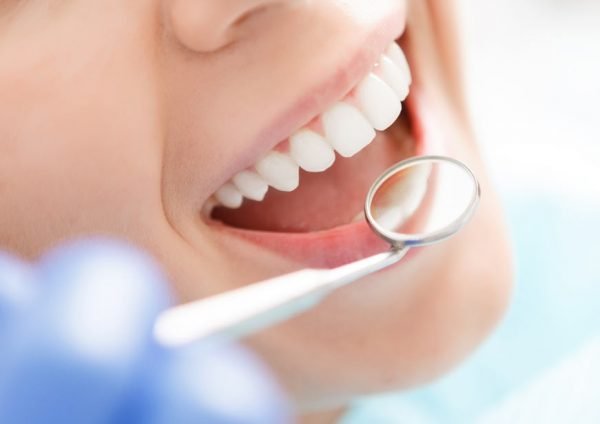
Are you wondering whether or not to take a trip to the dentist? There are a number of key signs and indications that you could be due to a trip to see your dentist. If you notice any of the signs that we are going to mention below, you should not delay. Go and see your dentist, or book your child an appointment with their pediatric dentist before the problem gets worse. The last thing you want to do is lose a tooth because you have not gone and seen your dentist. Ignoring problems do not make them go away. So, with that being said, let’s take a look at the different signs that you must see a dentist…

  1. Your experiencing pain – This is one of the most obvious signs that you need to take a trip to go and see the dentist. If you are experiencing swelling and pain in your neck, face, or mouth, this can mean a number of different things. The best thing to do is get your dentist to assess your mouth so that he or she can get to the bottom of what is wrong. 
  2. You have trouble eating – If you are having difficulty swallowing or chewing, you should definitely book an appointment to see a dentist. You should try liquified foods or soft foods until you can see your dentist. 
  3. You have on-going medical issues – There are a number of different types of medical conditions that indicate that you should make seeing a dentist part of your routine. This includes eating disorders, cardiovascular disease, diabetes, or if you are HIV positive. The same applies if you are undergoing medical treatment, for example, hormone replacement therapy, chemotherapy, and radiation. 
  4. You have noticed cavities – Cavities are decayed areas of your teeth that develop into small holes or openings. If you have noticed any cavities, you should definitely book an appointment to go and see your dentist. 
  5. Sensitive teeth – If your teeth hurt when you drink cold or hot beverages, this indicates that your teeth are sensitive. This can be as the result of an exposed tooth root because of gum recession, worn tooth enamel, gum disease, worn fillings, fractured teeth, and tooth decay. 
  6. Your gums are acting up – Another sign that you should go and see your dentist is if your gums are acting up. If your gums bleed when you floss or brush, you should make an appointment to go and see your dentist. The same applies if you have noticed that your teeth appear longer than usual. This is a sign of gum recession, which is typically caused by gum disease. 
  7. You are experiencing pain in your jaw – Do you find that your jaw sometimes pops? Perhaps it causes pain when closing and opening or when you are chewing? A dentist will be able to shed light on the issue. 

As you can see, there are a number of different signs that you may need your dentist to inspect your teeth to see whether there are any potential problems are not. It is always better to be safe than sorry, as they say. 


How Is Your Home Helping Your Health

While it is true that health equals wealth, when our physical and mental wellbeing is damaged, everything else in life appears to be out of sync. The places in which we spend our time are critical in this regard, since they have been demonstrated to have a direct impact on how we feel and the behaviors that we develop – whether healthy or unhealthy! Therefore, because our homes are where we spend the most of our time, it makes sense to begin by examining how we may make them more conducive to our well-being. Simple changes to our environment are within our power and have the potential to have a significant impact on our health. Here’s what you need to know to get started.

A young health visitor examining a sick senior woman lying in bed at home with stethoscope.

Schedule a Decluttering Session

Homes that are cluttered, disorganized, and chaotic, and that contain an excessive amount of belongings, are detrimental to our mental health. Trying to find items or sifting through clutter causes a lot of low-level stress, so make a commitment to take action and organize your possessions. Rarely do we require everything that we have in our possession. Start by decluttering your closet, which is where a lot of us store our excess belongings, according to Marie Kondo. The fewer possessions you have, the less there is to maintain, store, clean, and repair. Approach decluttering in a methodical manner, room by room, and fill a bag with charitable donations – not only will you gain space and peace of mind, but you will also be contributing to a worthwhile cause.

Make a Commitment to Real Food

There is overwhelming evidence that overly processed modern convenience food is detrimental to human health; therefore, it should be eliminated. Remove the Deliveroo app from your phone and learn how to make some simple slow cooker foods that you can prepare ahead of time and store in your freezer. For the best nutrition, choose high-quality organic meats and seasonal vegetables, and experiment with new healthy cooking methods – from an Instant Pot to a steam oven, direct response television will allow you to order food delivered right to your door.

Keep Everything as Clean as Possible

It has been shown that keeping your home clean has the ability to preserve your immune system while also improving your emotional wellbeing. Cleaning itself can be really cathartic, and you will be rewarded with a lovely atmosphere to enjoy as a result of your labors. Make a cleaning routine for your home to ensure that no jobs get unfinished or are forgotten. Dishes and pans should be washed immediately after use, and the floor should be vacuumed at least twice a week – look at one from the  Vacuum Cleaner Market. Wipe down surfaces with an antibacterial product such as the multifunctional Zoflora every evening. In the event that you are unable to keep up with the cleaning, consider hiring a cleaning agency to come once a week to assist you.

Improve the air quality by introducing some plants.

Plants in the home not only enhance the aesthetics and provide mental relaxation, but they also serve as a natural air filter, removing toxins and improving the overall air quality. What better reason to get some gorgeous plants in ceramic holders and place them strategically throughout your house. If you have a lot of allergies or a compromised immune system, you might want to consider investing in a HEPA filter and upgrading your vacuum cleaner to help reduce symptoms even further. The ability to improve ventilation in your house is critical to maintaining good health.


5 Compelling Reasons To Take Care Of Your Teeth

Aside from helping us chew and digest food, our teeth play an important role in our speech and maintaining our health. Most people know the importance of taking care of their teeth, but some take oral hygiene for granted. If you’re wondering why you should always take care of your teeth, here are five compelling reasons that’ll encourage you to do so consistently:  

  •  Enhances Heart Health 

Taking care of your oral health is vital because it enhances the health of your cardiovascular system. Neglecting oral hygiene like leaving gum disease or tooth decay unattended may allow the bacteria to thrive in the mouth. With time, the bacteria could get into the bloodstream and spread in the body, which may cause inflammation in your cardiovascular system.  

Since bacteria can lodge in different parts of the body, they may infect the linings of your heart and other vascular parts, which could increase your risk of developing heart attack and stroke. Thus, patients who leave periodontal disease untreated may have a higher chance of getting heart disease. As such, it’s crucial to maintain good oral health to enhance your heart health

  • Maintains Your Beautiful Smile  

When you interact with other people, the first thing they’ll notice is your smile. That’s why taking care of your oral health is essential, as it will enable you to maintain a great smile. Although having a lovely smile is one of the benefits of dental implants, veneers, crowns, and other constructive dental works, it is still important to maintain your natural smile to avoid other dental problems, such as toothache.  

The best way to achieve a beautiful smile is to seek treatment for tooth decay early enough and ensure you brush your teeth at least twice a day. In addition, flossing your teeth will not only allow you to have a charming smile but also clean teeth and fresh breath. A great smile will give your confidence a boost, which may allow you to thrive in social settings.  

If you are genuinely keen to make sure that you keep your smile looking its very best, then it might be a good idea to seek out the necessary cutting-edge cosmetic dentistry as appropriate. You’ll find that there are plenty of things the dentist can do to ensure that your smile is beautiful and that it looks as good as possible, and going to the right dentist is often going to be all you need to do to ensure that this is taken care of.

  •  Prevents Long-Term Teeth Problems 

Taking care of your teeth may also prevent long-term dental problems. While you can have dentures and tooth implants, it’s still important to maintain good oral hygiene to avoid long-term oral health issues. While dentistry in the modern world has advanced, it may be impossible to reverse gum recession or tooth loss resulting from severe periodontitis. Although dentists can restore smiles using gum grafting, dental implants, and crowns, maintaining your natural teeth will help you avoid long-term teeth problems, such as tooth decay. 

  • Reduces Your Chances Of Developing Alzheimer’s

When you start taking care of your teeth, you may reduce your chances of developing Alzheimer’s when you grow older. Patients who develop Alzheimer’s in old age tend to exhibit poor oral health. There is already a study that found out the link between the bacteria that causes gum disease and Alzheimer’s. Thus, it is important to take good care of your teeth to avoid oral disorders that could result in Alzheimer’s disease.

  • Lowers Effects Of High Blood Sugar 

If you experience blood sugar spikes, that could be a sign that you need to take care of your teeth because dental problems and type 2 diabetes have a reciprocal relationship. High blood sugar can contribute to teeth problems and vice versa. 

If type 2 diabetes is uncontrolled, your saliva will have high amounts of glucose. The glucose may encourage bacteria growth, which may lead to the development of gum disease. In addition, patients with diabetes can experience dryness in their mouths that could further increase their risk of developing cavities.  

High glucose levels may also support the growth of fungi, leading to thrush infections. This situation may complicate your health because it affects the healing process and reduces your body’s ability to fight infections. Thus, maintaining proper oral health can go a long way in enhancing the ability of people, especially diabetic patients, to control blood sugar levels.  


Final Thoughts  

Although dentistry practices have advanced to a point where dentists can conduct complex constructive dental works to enhance the appearance of your teeth, having good oral hygiene is still important to avoid long-term oral health issues.

Taking care of your teeth ensures that you have a great smile and offers you numerous health benefits, such as a healthy heart. It also ensures that your mouth doesn’t become a breeding ground of bacteria and fungi that can get into the bloodstream and cause disease.  

If you’re wondering whether taking care of your teeth is worthwhile, the five reasons discussed above may compel you to do so.  

Non-Dairy Delights – 5 Alternatives to Traditional Cow’s Milk That Actually Taste Good

Are you curious about milk options beyond the full-cream and a2 milk benefits you regularly enjoy? Would you like to include some non-dairy delights in your life that actually taste as good as dairy milk? We’re here to help! Check out these five alternatives to traditional cows milk that actually taste good: 

  1. Soya Milk

Soya milk is made of oil, water, and the remaining protein from ground, boiled, and sieved soybeans. It’s one of the most popular non-dairy milk alternatives because it has a creamy texture and a plain flavor (especially unsweetened kinds), so it works well with cereal, in tea, in baking, and as a base for sauces. In addition, it packs quite a protein punch, with an average of seven grams of protein per cup of soya milk. 

If you are switching to non-dairy primarily for health reasons, you’ll also appreciate the fact that a diet rich in soy has been shown to help protect heart health, reduce bad cholesterol, raise good cholesterol, lower blood pressure, and more. 

  1. Oat Milk

Oat milk is a favorite amongst non-dairy drinkers who can tolerate gluten because it is so creamy and thick. It is especially popular amongst baristas because you can foam it right up for an epic dairy-free cappuccino. 

It is, however, higher in calories than other non-dairy milk options, coming in at around 130 calories per cup (still much less than whole dairy milk). Oat milk will give you riboflavin and B2 as well as any vitamins and minerals the manufacturer has added to the drink. 

  1. Almond Milk

Almond milk is a highly popular plant-based milk amongst the 41 percent of US households now buying non-dairy milk regularly. Compared to one cup of whole milk at around 260 calories a cup, almond milk sits at just 30 calories for that same portion. While it is not as high in protein as other non-dairy options, fortified almond milk is an excellent choice for those who are looking to reach a healthy weight. 

  1. Hazelnut Milk

If you love drinking a tall glass of plain milk, hazelnut milk may be the dairy-free option for you. In addition to its creamy, nutty flavor, hazelnut milk also has a ton of health benefits including: 

  • Antioxidants 
  • Minerals like magnesium and copper 
  • An abundance of vitamin E
  • Boosts good cholesterol and reduces bad cholesterol
  • Improves blood sugar levels 
  • Is linked with anti-cancer properties 
  • Could reduce inflammation

The above benefits are attributed to hazelnuts themselves so it is important to buy milk that is made with lots of hazelnuts (not filler) so that you get the maximum benefits. 

  1. Coconut Milk

Coconut milk is a blend of coconut flesh and water, creating a yummy, creamy, non-dairy milk that has the same indulgent feel as full-cream dairy milk. It is high in fat, but there is also evidence that the type of fat within coconut milk can benefit weight loss. So, in this case, it seems the fat content isn’t necessarily a bad thing. The high fat within coconut milk also makes it a good choice for whole dairy milk drinkers because it will be far more satisfying than something like almond milk. 

Which Non-Dairy Delight Will You Try First? 

There are so many options available to try if you want to move away from dairy. Though the options above are excellent, you can also try cashew milk, hemp milk, and even pea milk – there truly is a dairy-free option for everyone. 

5 Powerful Tips to Practice Mindfulness Every Day

Mindfulness is the practice of being present and aware of your thoughts and feelings. Despite what you might think, mindfulness doesn’t require major lifestyle changes. Having a peaceful state of mind can help you to be more grounded and contented. These practices will help you live more fully in the moment and manage stress more effectively.

Identify Your Emotions

According to GoEatRightNow.com, a recent study found that almost 53% of women in the study reported emotional eating tendencies. When food is used for comfort, then the emotion and underlying reason for that emotion go unaddressed. Eating may make you feel better in the short term, but the feeling may quickly return because you did not address the root cause of the emotion. When you ask yourself what you are really feeling, you may find that you can determine why you feel that way and the best way to address it.

Concentrate on Breathing

Whenever you start to feel stressed by any situation, you can practice focusing only on your breathing. Breathing can help relax your nervous system and stimulate the vagus nerve. Make the breaths in and out as even as possible. Take a steady breath to a count of four and then exhale evenly on a count of four. This practice is simple to do in any situation. Incorporating a daily meditation time can help you learn to deepen your breathing practice, but you can perform simple breathing patterns in any stressful situation to relieve tension and quiet your mind. You can also check holding breath app by breathwrk to learn more about breathing techniques.

Find Time for Movement

Exercise can offer many benefits for your body and mind, but it can also boost your ability to practice mindfulness. Activities like walking, hiking, swimming, and running can help you focus on the present moment and how your body feels with each movement. For example, if you start going for a daily walk, you can train your mind to focus on each movement and matching your breath to each step. Start by taking one breath in for one or two steps and then one breath out for the same number of steps. You may need to experiment to see what breathing pattern makes you feel the best. Please consult your physician before you begin any fitness or movement practice.

Set Boundaries

Learning to say no is about more than setting boundaries. It’s about listening to yourself and recognizing when you feel overextended. When you respect your own time and ability to handle everything going on in your life, you should be able to determine when you can help and when you need to step back. When asked to do something for someone that requires a time commitment, practice asking yourself if it is what you really want or can reasonably do for that person.

Spend Time in Nature

Recently, there have been more studies into how nature can affect health and wellbeing. Some of these studies show that being in nature can reduce our feelings of stress, which can help with blood pressure, weight, and sleep. Being outdoors has other useful benefits, such as increasing the level of vitamin D through exposure to the sun. A simple way to enjoy nature more is to take a leisurely walk, but hiking and other outdoor fitness activities can provide even more of a boost to your health.

Mindfulness is a state of active, open attention to the present. You can practice mindfulness at any moment. It is a practice that has been shown to decrease stress, anxiety, and depression over time. By focusing on our relationship with our bodies and mind, we can become happier and healthier.

Forever Young, I Want To Be Forever Young…

Young woman eating healthy food sitting in the beautiful interior with green flowers on the background

“Forever young” may be an impossible dream, but it is something we are all striving for, right? As we get older, and we start to see the wrinkles and fine lines in the mirror, it can be frustrating. But this does not mean that there is nothing you can do about it. In this blog post, we are going to take you through some of the different things you can do so that you look and feel young. 

Reduce stress levels

There is only one place to begin when it comes to looking and feeling young, and this is by reducing stress. It is crazy to think about the impact that stress can have on our minds and bodies. It can cause us to look and feel tired, we can develop lines and wrinkles, and we can feel depressed. Not very nice, right?

Therefore, finding ways to lower those stress levels is the evident place to start in your quest to be forever young! There are lots of great ideas for those who want to feel less stressed. A lot of people swear by Kratom, and you can check out Kingdom Kratom if you have never heard of this before. In addition to this, you also need to consider ways to get more rest and breaks into your day-to-day life. 

Treat yourself to regular facial peels

Not only should you make an effort to reduce your stress levels but we recommend regular facials as well. There are a number of different facials you can benefit from, including superficial facial peels and deep facial peels, so it makes sense to talk with your beautician to find out which facial peel they think is going to be right for you.

The main objective of a skin peel is to lower or get rid of any skin imperfections. This includes post-acne scarring, acne, sun spots, dark circles, wrinkles, enlarged pores, pigmentation, fine lines, and more. These are all issues that can make you look older than you are, so skin peels can make a bigger impact than you realize. Your skin will look brighter, clearer, and more radiant, and you will feel amazing too.

Time to quit smoking

If you are someone who smokes, now is the time to quit.  Smoking can cause many different problems when it comes to your health. In fact, it can cut years off our life. In terms of looking and feeling young, smoking can cause your skin to become discolored and you can experience fine lines and wrinkles. 

Smoking can also result in your teeth and fingernails becoming yellow, which can make you look more aged as well. Therefore, it certainly makes sense to stop smoking. 

Of course, we know that it is not as easy as simply deciding you are going to give up smoking and then doing so. You need to have a dedicated approach to give yourself the best chance of quitting, and quitting for good. For example, it makes sense to decide on an end date and then gradually reduce the number of cigarettes leading up to this date, rather than simply trying to quit all at once. 

Pamper yourself more

We all deserve a treat from time to time, right? From massages to manicures, there are a lot of different ways that you can treat yourself. We know that a lot of people feel incredible after getting a brand new hairstyle, for instance!

Remember, it is not just about how you look, but it is also about how you feel. Once we have been pampered, we tend to feel incredible, and this is something that will make a difference in terms of the energy you give off, and how old you look and feel.

Consider your diet; some foods can help you to look younger

In addition to the different tips and pieces of advice that we have provided so far, we would also recommend that you carefully consider your diet. A lot of people do not realize it but there are foods that can make you look younger! So, time for a diet overhaul, don’t you think?

Some foods that are great for your skin include avocados, pomegranates, flaxseeds, vegetables, dark chocolate, and fatty fish. We would also recommend extra virgin olive oil, which is one of the healthiest fats on the planet, as well as green tea, which is rich in antioxidants. Matcha green tea, especially, is a great choice, as it contains more antioxidants when compared with a regular cup of tea.

You may also want to consider reducing your consumption of foods that make you look older than you are. Some of the foods worth a mention here include red meat, trans fats, processed meat, salty foods, white wine, charred meat, alcohol, and sweets.

Look into youthful skin treatments

Aside from everything we have discussed so far, there are a lot of people that like to keep their appearance look as young and radiant as possible by investing in youthful skin treatments. There are a lot of great skin treatments that people make the most of today, with dermal fillers being a popular option.

The best thing to do is book a consultation with a reputable skin clinic. After all, different people have different hang-ups when it comes to their skin. By having a consultation with a reputable skin specialist, he or she will be able to tell you what treatments will be the best for you. 

Final words on being forever young

So there you have it: some of the different things you can do to look and feel forever young. They say that you are only as old as you feel, and we certainly believe that this is the truth. Taking care of yourself and doing the things that you love can make a massive difference in your life, so it is time to start embracing these things and enjoying yourself. Treat yourself more, and use the other tips that we have provided above to look and feel young and radiant. 

5 Heart-Healthy Tips

The heart is the hardest working organ in our body. Without it, pumping blood around the body, we would be unable to survive, which is why it is so important that we take good care of our hearts.

With that in mind, here are my top tips for maintaining a healthy heart, a few of which may surprise you…

  1. Give up smoking

If you’re a smoker, the absolute best thing you can do for your heart health is to give up right now! Tobacco will clog up your arteries and make it difficult for your heart to do its job, and since it’s one factor that is under your control you must do something about it. Of course, that’s often easier said than done, but these days, with vapes and nicotine replacement products readily available, it’s totally doable.

  1. Take good care of your teeth and gums

Your oral health is inextricably linked with your heart health. If your teeth and gums are in a bad state, you’re more likely to have high blood pressure and suffer from heart disease, amongst other things, So, a really easy way to look after your heart is to look after your teeth. From brushing and flossing regularly to using teeth aligners to straighten out teeth and lower the risk of cavities, anything you can do to improve the state of your mouth will be great for your heart too.

Close-up of wine glasses tapping in a bar. Party and nightlife concept

  1. Drink alcohol

Yes, really, but only in moderation. Studies have shown that drinking a moderate amount of alcohol can raise the HDL levels in your body. This is good cholesterol which helps the heart to function optimally, and which can also help to prevent blood clots from forming in the arteries. Just be aware that too much alcohol is undoubtedly bad for the heart, and the body as a whole, so keep it sensible.

  1. Laugh more

Laughter really is the best medicine when it comes to your heart, anyway. Studies have shown that laughing regularly lowers the presence of stress hormones in the body, lowers blood pressure, and raises your levels of goods cholesterol. Being healthy really doesn’t have to be a drag!

  1. Eat less salt

Salt may give your food more flavor, but it can also increase your blood pressure to unhealthy levels if you have too much of it. That would be bad for your body because it would cause your heart to work harder than usually necessary. 

It’s no surprise that people who develop heart disease tend to consume more salt than average, but studies have shown that if everyone was to lower their salt intake by just half a teaspoon the number of people with heart disease would drop considerably. Start removing some of the salt from your meals gradually and your tastebuds will adapt and you won’t even notice the difference, but you will reap the heart-healthy benefits. 

Your heart is so important which is why you need to take the best possible care of it. Doing the above will help immensely, but always consult your doctor before you make any sigificant changes to your health.

Workplace and Bloodborne Pathogens: The Basics

While an icky topic, it’s important for any workplace to understand the dangers of bloodborne pathogens, how they spread, and how to prevent contracting a bloodborne disease while at work. Most modern workplaces don’t have to deal with bodily fluids (especially blood) all too often. However, pathogens that reside in the blood can be transmitted through even the smallest droplets.

That’s why most individuals that has risk of exposure to bloodborne pathogens should complete a bloodborne pathogens training course to protect themselves from contracting bloodborne diseases.

In this article, we’ll talk about how exactly these diseases spread, but first let’s talk about the diseases themselves — what kind of illness could you get from an infected coworker, customer, or hired contractor?

Types of Bloodborne Pathogens

The three bloodborne pathogens that you’re most likely to encounter in the workplace are Hepatitis A, Hepatitis B, and HIV/AIDS. Given the right setting, these diseases have a high rate of transmission, and can be quite contagious if employees in your workplace don’t adhere to proper safety procedures. Obviously, HIV is a disease that, while much more treatable than it once was, can still wreak devastating damage to a person’s immune system, especially if it goes unnoticed. Hepatitis A and B are nasty diseases in their own right, and both saw their heyday across the United States in decades gone by. In other words: no one wants these diseases. Luckily, they’re easily preventable with the proper precautions.

How Do Bloodborne Pathogens Spread?

These diseases spread mainly through direct contact with infected bodily fluids, which then, in turn, have to make their way into a person’s body to fully infect them. This can occur when:

· Infected bodily fluids enter an open wound

· Fluids penetrate the skin via a needle or infected blade, entering the bloodstream

· Fluids enter the body via mucous membranes, such as the eyes, nose, and mouth

Even if infected fluids make their way into a person’s body, there’s no guarantee that it will grow into a full-fledged case of disease. In many cases, your body’s immune system can reject an infection. However, prevention methods are key to lowering the risk of infection even more. After all, you don’t want to trust that your immune system can fully fight off a disease it’s never come in contact with before.

Preventing the Spread of Bloodborne Pathogens Completing a BBP training you can learn how to prevent the spread of bloodborne pathogens. Here are a few simple rules to follow to help halt the spread of bloodborne pathogens in the workplace.

1. Wash Your Hands

Keeping your hands clean is incredibly important, as soap kills germs, and a dead germ can’t infect you. Wash your hands after coming in contact with commonly-touched surfaces like door handles, phones, and railings.

2. Don’t Touch Your Face

Avoid touching your eyes, nose, and mouth while at work. It’s a good rule of thumb to just not touch your face at all unless you absolutely have to get that strand of hair out of your face.

3. Don’t Touch Bodily Fluids

If someone bleeds in the workplace, don’t clean it up without using the proper safety equipment. This can include face masks, gloves, and a biohazard suit. It might seem silly to go to those lengths over a paper cut, but all it takes is a single germ in the wrong place to infect you.

How To Prepare Your Patient For Homebased Chemotherapy Sessions

Women visiting her friend after chemotherapy at home

Over the years, chemotherapy treatments have advanced to the point where it’s now possible to administer home-based sessions. Chemotherapy doesn’t involve highly specialized procedures because the medication can be administered through injections or intravenous fusions, thus making home-based treatment possible.  If the patient suffers from a curved spine, attending physical therapy exercises for scoliosis before the appointment is also recommended.

This change in the mode of treatment will help patients avoid the hassle of traveling to hospitals and healthcare clinics and cut treatment-related costs. However, not all chemotherapy sessions can be done at home, and your oncologists will help you determine if the treatment can be home-based. Moreover, there are some long term side effects of chemotherapy; hence, it’s vital to make sure you choose the right treatment plan. 

If it’s okay for your patient to have home-based sessions, there are several ways you can prepare them for the treatments. This article explores the different ways to do so:

  • Prepare Them Psychologically

Going for chemotherapy can be overwhelming for some people as the treatment can change their lifestyles completely. For instance, dealing with the side effects such as hair loss can be distressing Therefore, your patients should be prepared psychologically and be aware that the treatment will be good for them, especially in the long run.

First, the oncologists can help to demystify certain myths about chemotherapy and provide helpful, reassuring facts that the patients need to know. Moreover, you can ask the patients to take some break away from work before the session to plan ahead. They can also use this time to address their concerns and fears. The patient should also talk to family and friends about their upcoming treatment as they may offer moral support. 

  • Keep The Patients On A Healthy Diet

A healthy diet will play a significant role in ensuring that the patient has all the essential nutrients their body needs to endure the treatment and ultimately get better. Chemotherapy can cause anemia, so the diet should be rich in iron. You can start giving them lots of fruits, vegetables, and foods rich in protein months before they begin their chemotherapy sessions. 

These kinds of food will also help them rebuild vital body tissues that the drugs might destroy. Moreover, a healthy diet will help the body fight against infections, as chemotherapy will kill some white blood cells, thus putting the body at more risk. 

Illustration de l’hospitalisation à domicile (HAD).

  • Ensure Patients Avoid Injuries

Injuries can also be a significant cause for concern for patients who are about to undergo chemotherapy. This is because injuries can cause infections in the body. Therefore, it’s best if your patient can avoid it altogether.

Make sure the patient stays away from animals that can scratch or bite them. In addition, let them wear comfortable shoes to prevent any injuries to the foot. Lastly, remind them to avoid using razor blades when shaving. 

If, by any chance, the patient gets injured, you should disinfect the wound and dress it properly. If the wound is severe, the patient should see a doctor as soon as possible. Before a chemotherapy session, a patient should be in the best possible condition and not with injuries. 

  • Maintain Hygiene

Good hygiene is important for the patient before and after their chemotherapy session. Chemotherapy sessions increase the risks of infections because they may weaken the immune system. Therefore, practicing good hygiene will help reduce the chances of infections. Here are some ways to ensure your patient and their home environment is hygienic: 

  • Disinfect surfaces that the patient might come in contact with using soap and water, following it up with disinfectants. While the patient can disinfect these surfaces themselves, it’s best to assist them to avoid any risks. 
  • Ensure that the patient takes a shower every day using soap and water. 
  • The patient should practice good oral hygiene by brushing their teeth at least twice every day. However, be keen to remind them to avoid alcohol-based mouthwash. 
  • Get rid of fresh plants and flowers because they can be entry points for germs that lead to infections. 
  • Make sure that your pets are clean by trimming their claws and keep them inside the house as much as possible. 
  • Practice general cleaning around the house. 

Maintaining good hygiene before and after the chemotherapy session may help your patients heal and avoid the long-term effects of chemotherapy. 

  • Ensure Other Medications Are Up-To-Date

Before taking the chemotherapy session, you should ensure that the patient stays updated with all their medications and healthcare practices. If the patient is under prescription drugs, they should continue taking them until the day of the session unless the doctor says otherwise. 

Moreover, the patient should make an appointment with the dentists to receive oral care and inquire about the best oral care practices after the chemotherapy sessions. 

Conclusion 

Homebased chemotherapy sessions can be advantageous as patients get the treatment in an environment they’re used to. In this setup, the patients’ families are better able to take care of them. However, the whole process can be overwhelming, and the treatment can also have numerous side effects. As such, the patient must be prepared for all that’s involved with the treatment. By following this guide, your patient is likely to face the therapy more prepared.